
 Pin It
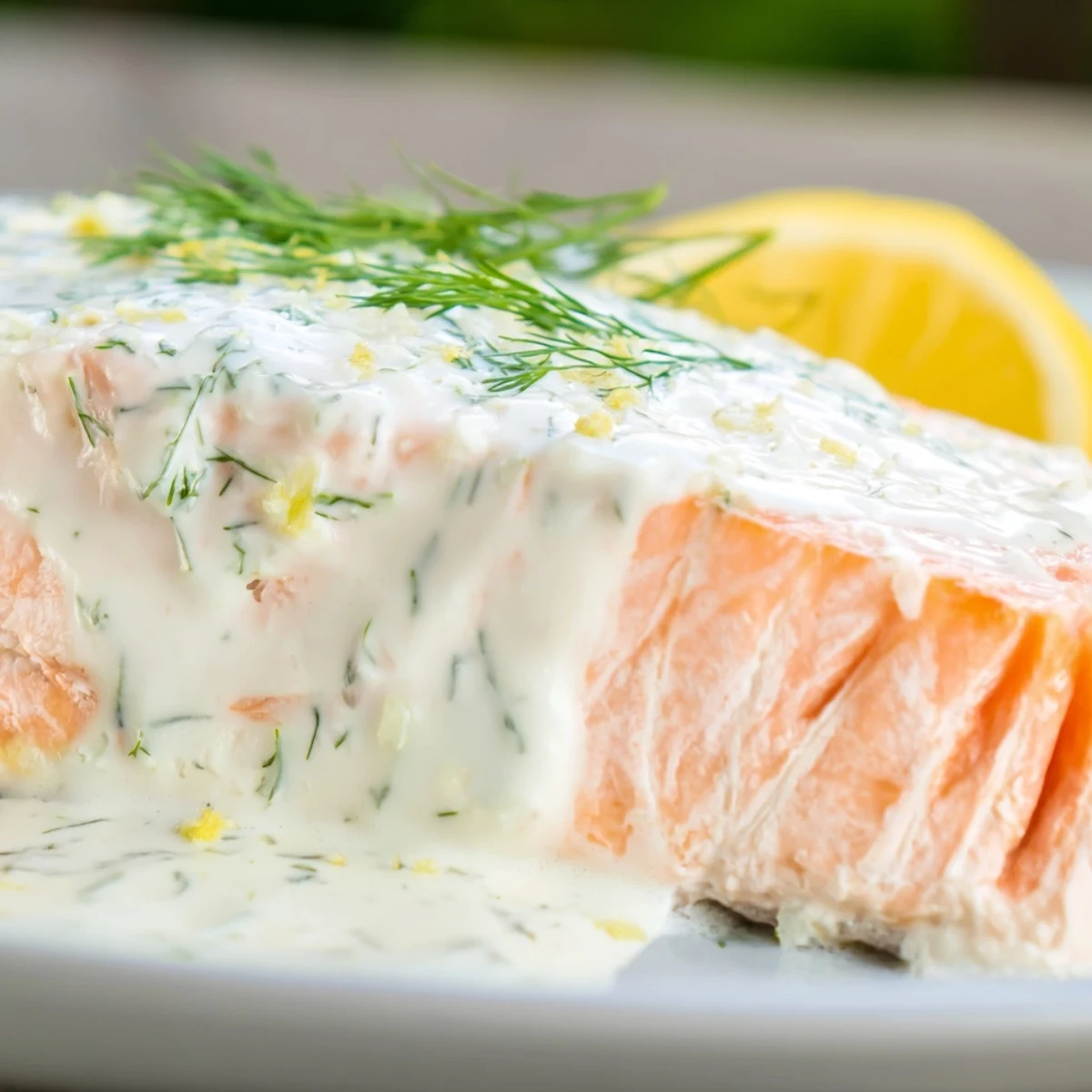
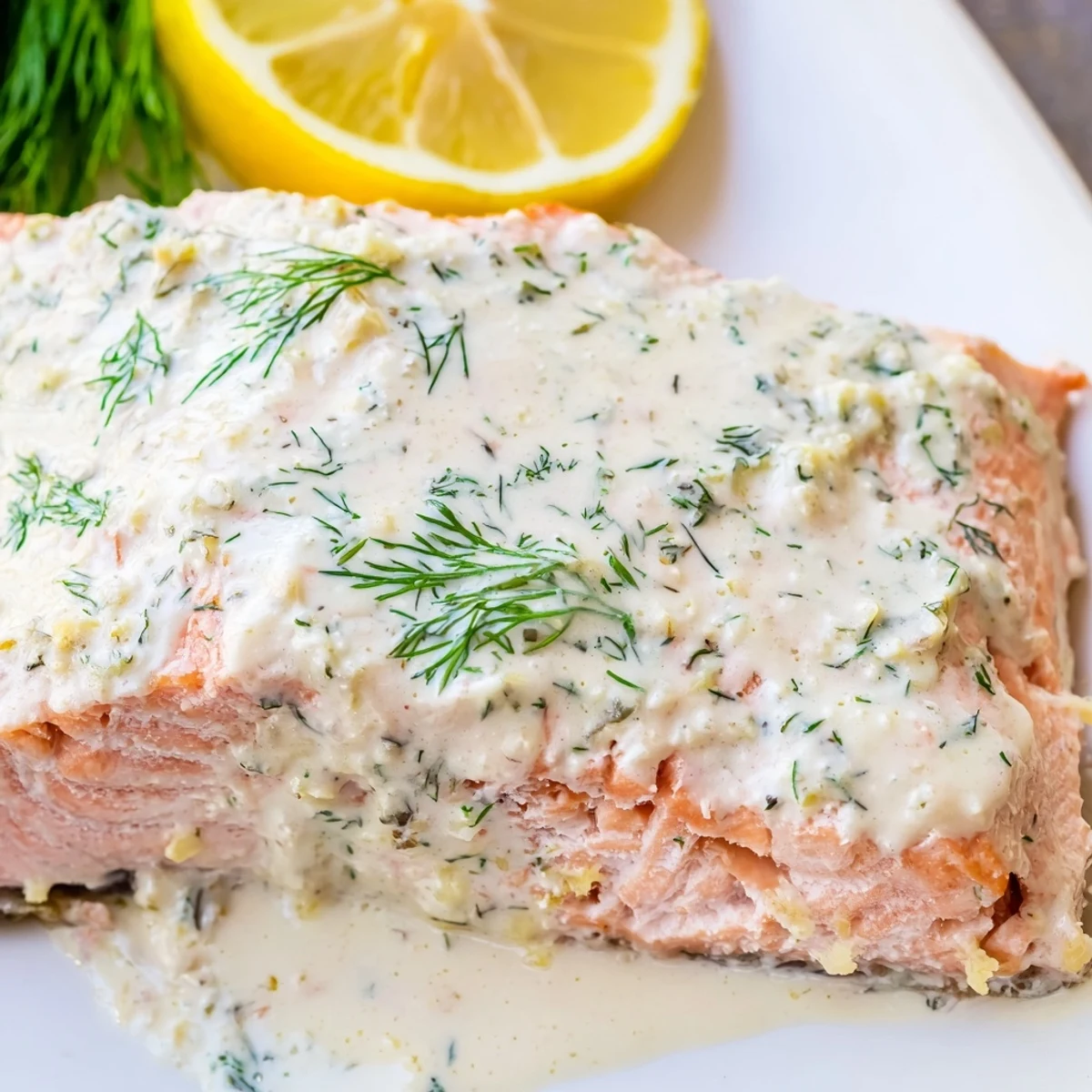
 This dish features tender salmon fillets baked until flaky and juicy, enhanced by a vibrant lemon dill sauce made from sour cream, mayo, fresh dill, and lemon zest. It’s a simple yet elegant preparation perfect for quick weeknight dinners or special occasions. Seasoned lightly with salt, pepper, and olive oil, the salmon is complemented by the fresh citrus and herb sauce, bringing brightness and creamy texture. Serve with roasted vegetables or steamed asparagus for a balanced, flavorful meal.
I discovered this dish on a Tuesday evening when I had three salmon fillets thawing and absolutely nothing else planned for dinner. My partner mentioned something about wanting lemon, and I remembered a jar of fresh dill sitting in the crisper drawer. Twenty minutes later, we were sitting down to something that tasted like we'd ordered from a restaurant, except better because it was ours. That's when I realized the most elegant meals often come from the simplest choices.
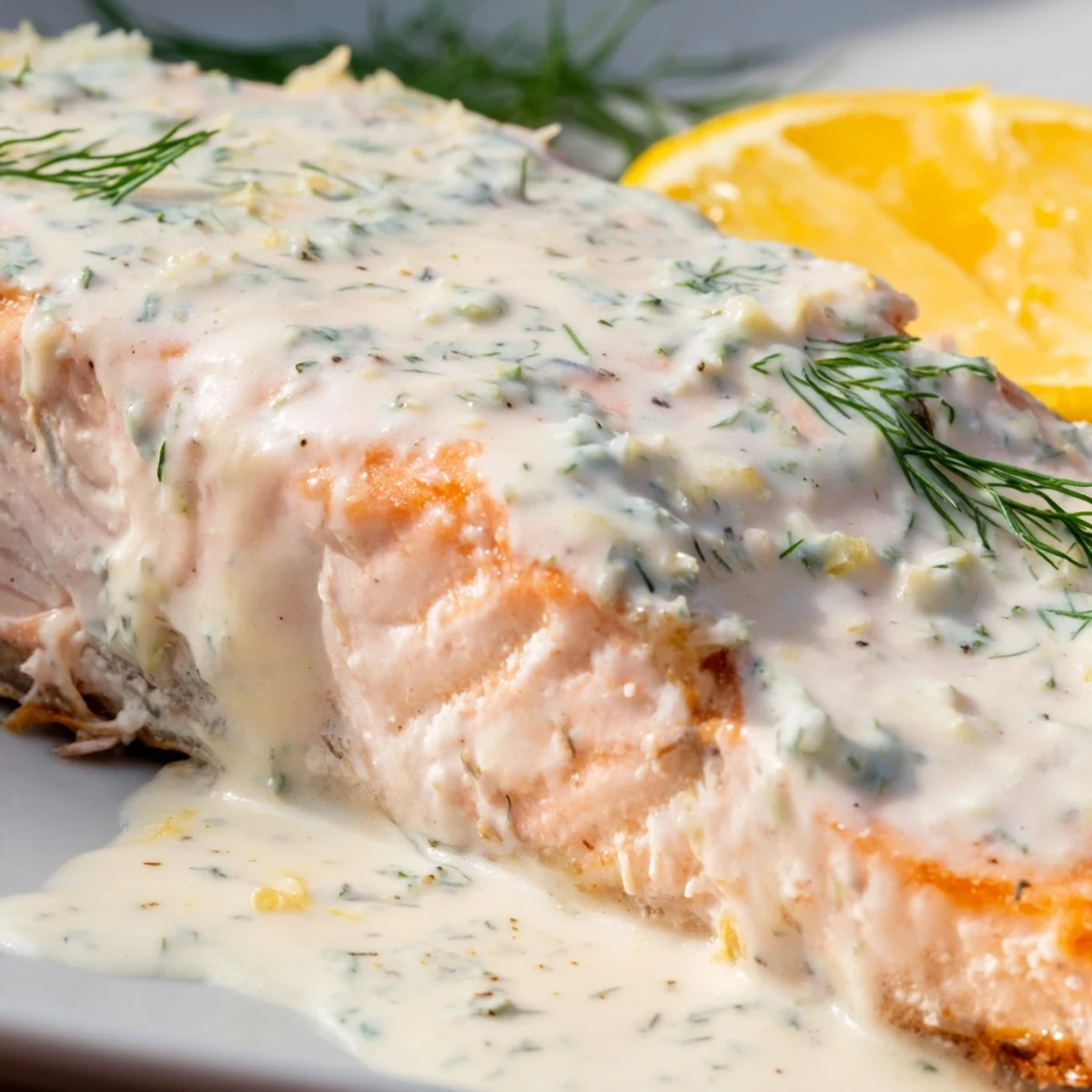
The first time I made this for guests was during spring, when my garden dill was finally tall enough to snip without guilt. I brought the plated salmon to the table with the sauce pooled on top, and there was this pause where everyone just looked at it before eating. Someone asked for the recipe before they'd even taken a second bite, and I realized I'd stumbled onto something genuinely good.
Ingredients
- Salmon fillets (6 oz each): Choose fillets that are roughly the same thickness so they cook evenly; skin-on or skinless both work beautifully, though skin-on helps protect the delicate flesh underneath.
- Olive oil: Just enough to coat the salmon lightly and keep it from sticking; this isn't about richness, it's about protection.
- Salt and pepper: The salmon's own flavor is what we're celebrating here, so season generously but with intention.
- Lemon slices: These do double duty, infusing the salmon with brightness while it bakes and creating a pretty presentation.
- Sour cream or Greek yogurt: Use whichever you have on hand; sour cream is richer, but Greek yogurt gives you a lighter sauce that still tastes indulgent.
- Mayonnaise: This might seem odd, but it emulsifies the sauce and gives it a silky texture that makes people pause and ask what your secret is.
- Fresh lemon juice and zest: Fresh is non-negotiable here; bottled juice tastes thin by comparison, and zest adds little bursts of flavor you can actually see.
- Fresh dill: If you can find it, fresh dill tastes like a spring afternoon; dried dill works in a pinch but use half the amount since it's more concentrated.
- Garlic: One small clove minced fine so you get the flavor without any harsh bite.
Instructions
- Heat your oven and prep your workspace:
- Preheat to 400°F and line a baking sheet with parchment paper. This small step means no scrubbing later and salmon that doesn't stick.
- Arrange the salmon and season:
- Place fillets on the sheet, drizzle lightly with olive oil, and season each one generously with salt and pepper. Top each with a lemon slice that you've pressed down gently so it stays put.
- Bake until just cooked through:
- Slide the sheet into the oven for 12 to 15 minutes. You'll know it's ready when the flesh flakes easily at the thickest part and the internal temperature hits 145°F; overcooked salmon becomes dry, so pull it out as soon as it's done.
- Make the sauce while salmon bakes:
- In a small bowl, whisk together sour cream, mayo, lemon juice, zest, dill, minced garlic, salt, and pepper until everything is smooth and evenly combined. Taste it and adjust the lemon or dill to your preference.
- Plate and serve:
- Remove salmon from the oven and transfer to plates. You can spoon the sauce right over the top or serve it alongside for people who like to control how much they use.
- Finish with a flourish:
- A small handful of fresh dill on top or a lemon wedge on the side makes the dish look as good as it tastes.
 Pin It
 There's something about serving someone a warm plate of salmon and watching their expression shift when they taste that sauce for the first time. It transformed dinner from routine into something worth remembering, and that's the real reason I keep making this.
Why This Dish Works Every Single Time
Salmon has enough natural fat that it forgives slight timing mistakes; it stays moist even if you cook it a few minutes longer than planned. The sauce is forgiving too because the sour cream and mayo create a buffer that holds everything together. There's something reassuring about a dish that has built-in grace.
The Lemon Dill Combination and How It Happened
Lemon and dill are partners in the kitchen the way some people are in life, they just belong together. The acidity of the lemon cuts through the richness of the salmon and sauce, while the dill adds an herbaceous note that feels both fresh and somehow comforting. It's a combination that exists in cuisines from Scandinavia to the Mediterranean, and once you understand why, you'll start seeing it everywhere.
Bringing It All Together
This is a dish that doesn't require much skill, just intention and good ingredients. It's forgiving enough for weeknight cooking but elegant enough that you'll feel proud serving it at a dinner table.
- The salmon tastes even better the next day when the flavors have settled, so don't hesitate to cook it for leftovers.
- Pair it with roasted asparagus, steamed green beans, or a simple salad for a complete meal.
- A crisp white wine like Sauvignon Blanc or Pinot Grigio becomes essential once you've paired it with this sauce.
 Pin It
 Make this dish when you want to feel like you've done something special without the stress. It's proof that some of the best meals come from simple decisions and good ingredients working together.
Recipe FAQs
- → How do I know when the salmon is perfectly cooked?
-
Salmon is perfectly cooked when it flakes easily with a fork and reaches an internal temperature of 145°F (63°C). It should remain moist and tender inside.
- → Can I use fresh or dried dill for the sauce?
-
Fresh dill is preferred for its bright flavor, but dried dill can be used if fresh is unavailable. Adjust amount to taste.
- → What can I serve alongside this salmon dish?
-
Roasted vegetables, steamed asparagus, or a light side of rice complement the flavors well and complete the meal.
- → Is it necessary to use sour cream in the lemon dill sauce?
-
Sour cream can be substituted with Greek yogurt for a lighter, tangy sauce without compromising flavor or texture.
- → How should I prepare the baking sheet to prevent sticking?
-
Line the baking sheet with parchment paper or lightly grease it with olive oil or nonstick spray before placing the salmon fillets.