
 Pin It
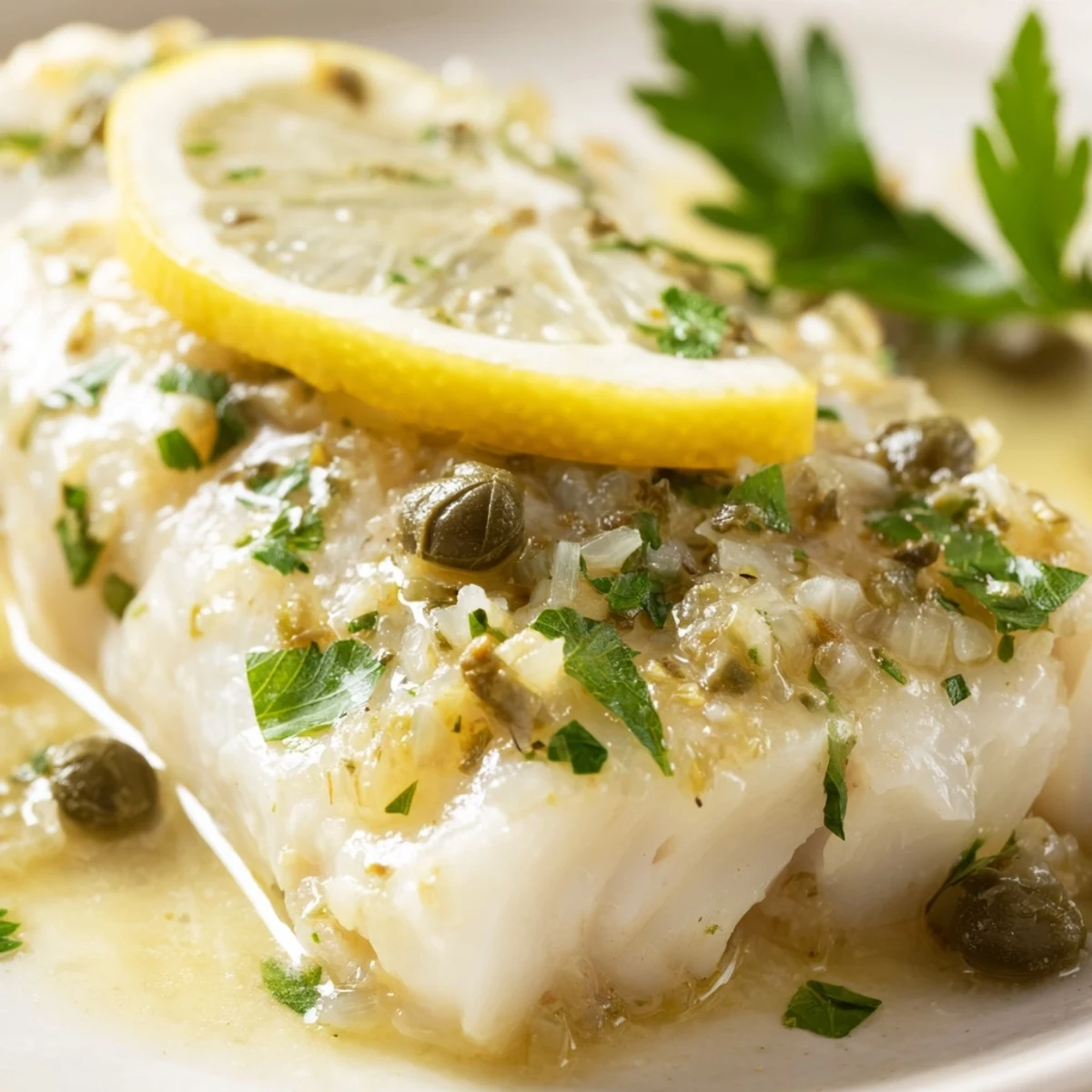
 This dish features tender cod fillets seasoned and baked until opaque. While the fish cooks, you prepare a simple lemon-butter sauce with garlic, zest, and parsley. The sauce is poured over the fillets halfway through cooking and again right before serving to ensure maximum flavor. It is a quick and elegant main course suitable for any night of the week.
One Sunday afternoon, my neighbour knocked on the door with a bag of impossibly fresh cod from the market, and I found myself improvising dinner for six without a plan. I'd never made baked cod before, but something about the delicate white flesh and the sight of bright lemons on my counter told me this would be simple and elegant. Twenty minutes later, when everyone leaned over their plates and the kitchen smelled of butter, lemon, and something almost like the sea, I realised I'd stumbled onto a dish that feels like both effort and ease at once.
My daughter used to refuse fish entirely until I made this on a random weeknight and she watched the butter sauce bubble and foam in the pan. The moment I spooned it over the cod and she saw the lemon zest catch the light, something shifted—she wanted to try it. Now whenever I make it, she's there with a fork ready before I've even taken it out of the oven, and that small victory still makes me smile.
Ingredients
- Cod fillets (4, about 150–180 g each): Look for fillets that are thick and pale, not thin or yellowed; thicker pieces stay moister during baking and forgive timing mistakes.
- Unsalted butter (4 tablespoons): The butter is the soul of this sauce, so use good quality—it should taste rich and sweet on its own.
- Fresh lemon juice (2 tablespoons): Bottled juice will work, but fresh squeezes make a real difference in brightness and will make people ask what you did differently.
- Lemon zest (1 teaspoon): The tiny flecks of zest carry the lemon flavour without extra liquid, so don't skip it even if you're tempted.
- Garlic (2 cloves, minced): Mince it small so it melts into the butter rather than leaving harsh chunks.
- Fresh parsley (1 tablespoon, chopped): Use it fresh and add it last so the colour stays bright and the flavour stays sharp.
- Capers (1 teaspoon, optional): They add a briny pop that wakes up the whole dish, but leave them out if you prefer simplicity.
- Olive oil: Just enough to coat the baking dish and drizzle over the fish; it prevents sticking and adds subtle flavour.
- Salt and black pepper: Season generously—the fish is mild and needs seasoning to shine.
Instructions
- Get your oven ready and the dish waiting:
- Preheat to 200°C (400°F) and lightly oil your baking dish so the fish won't cling to it. A hot oven means the fish will cook through gently and stay moist inside.
- Prepare the cod with care:
- Pat the fillets completely dry with paper towels—this step matters because moisture on the surface means the fish steams instead of baking. Lay them flat in the dish, drizzle lightly with oil, and season both sides with salt and pepper, letting the seasoning actually settle for a moment before you move on.
- Build the sauce while the oven warms:
- Melt the butter gently over medium heat, watching it foam slightly. Add the minced garlic and let it toast for just a minute until the kitchen fills with that warm, sweet garlic smell, then immediately pour in the lemon juice so the garlic doesn't burn.
- Layer in brightness and herbs:
- Stir in the lemon zest and capers if you're using them, then pull the pan from heat and fold in the fresh parsley. The sauce should look golden and smell like a sunny kitchen.
- Give the fish its first bath:
- Pour about half the warm sauce over the cod fillets, reserving the rest to finish with at the end. This way the fish gets flavour as it bakes and you have something fresh to crown it with.
- Let the oven do the work:
- Bake for 15–18 minutes until the fish flakes easily with a fork and the thickest part turns opaque. Start checking at fifteen minutes; overcooked cod becomes dry and rubbery, but there's a window where it's perfect, and you'll know it when you see it.
- The final touch:
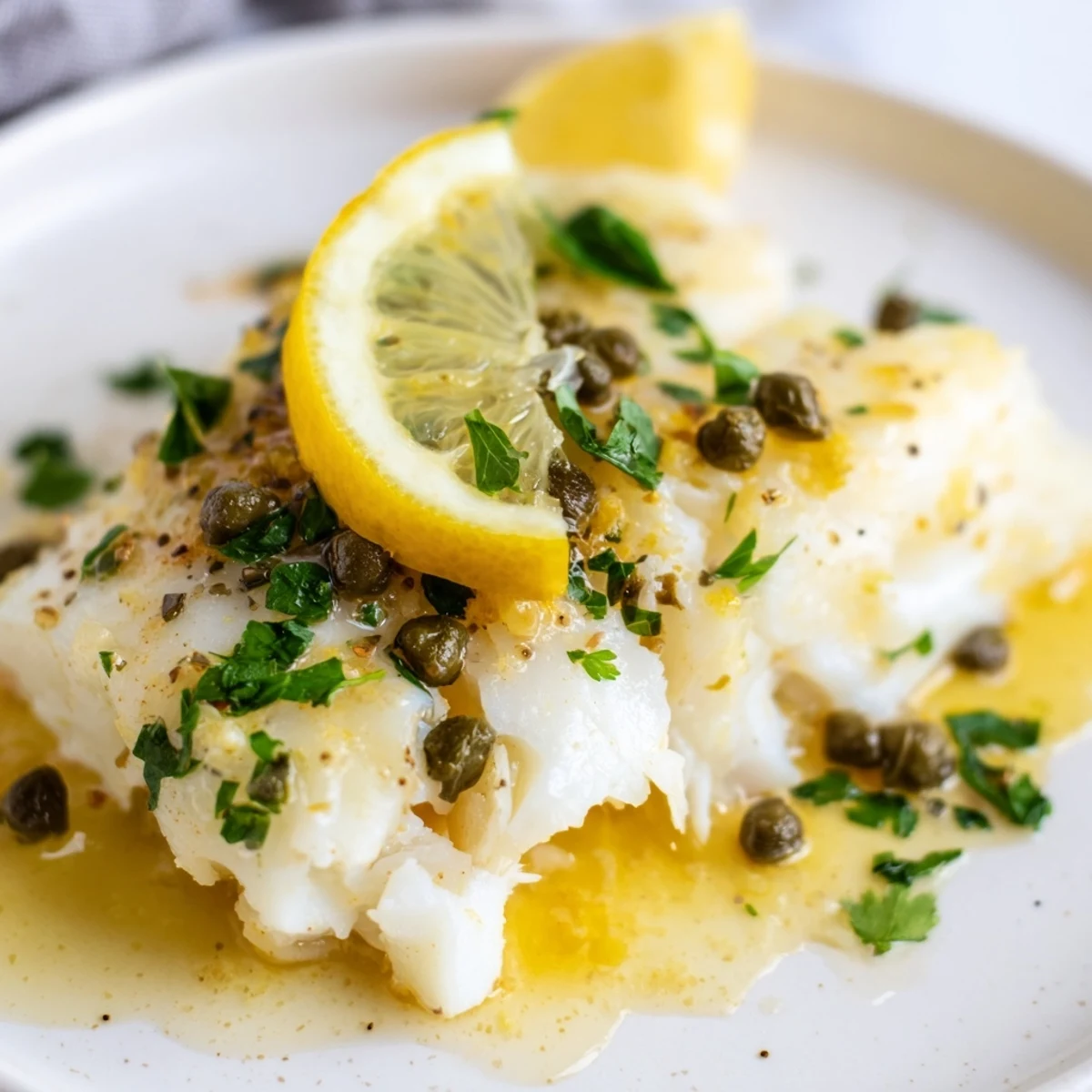
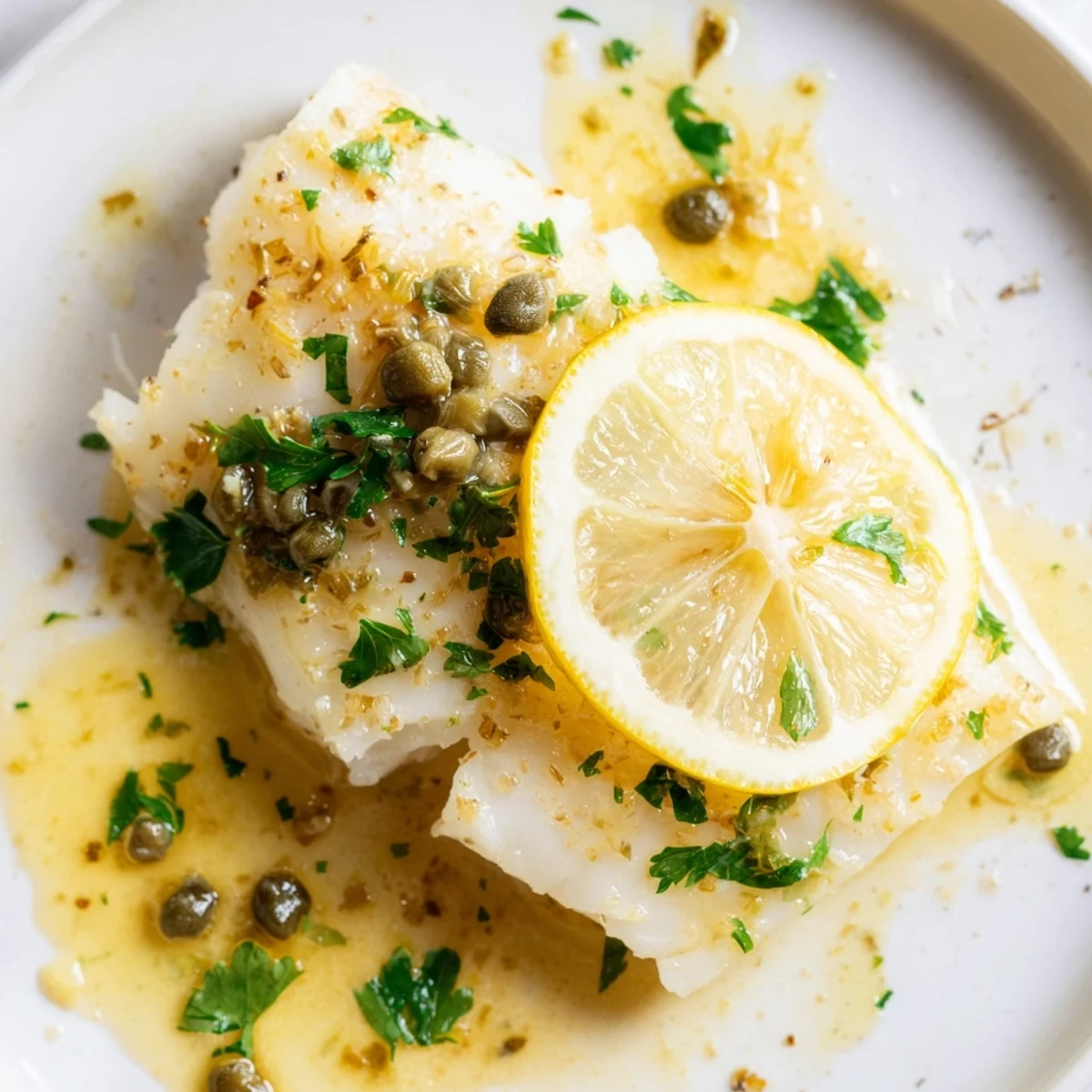
- Take it from the oven, spoon the remaining warm sauce over the fillets, then scatter lemon slices and extra parsley on top so it looks as good as it tastes.
 Pin It
 There's something almost ceremonial about carrying this to the table while the lemon butter is still warm and glistening under the light. It's a dish that tastes like you've spent hours on it, but your secret is that the fish does most of the work and you're just there to guide it with butter and citrus.
Making It Your Own
Substitute haddock or halibut if you can't find good cod, and the method stays exactly the same—any firm white fish will work. If breadcrumbs appeal to you, sprinkle about two tablespoons over the fillets before the sauce goes on and before baking, and they'll turn golden and add a subtle crunch that some people love. For dairy-free cooking, swap the butter for olive oil and whisk it with the lemon juice and garlic instead; it won't be the same rich sauce, but it's still bright and clean and worth making.
What to Serve Alongside
This fish doesn't need much—steamed green beans dressed with a little salt and pepper sit beside it perfectly, or roasted potatoes cut small so they're crispy outside and tender in. A simple salad with arugula and a light vinaigrette also works, or sometimes I just make crusty bread to soak up whatever sauce is left on the plate, because that's the best part.
Small Moments That Make It Better
Timing matters here, but not in a stressful way—it's more that everything comes together at once, and if you read through the steps before you start, there are no surprises. Keep your ingredients prepped and close to the stove so you're never scrambling, and let the butter-lemon sauce cool just slightly before tasting it to adjust salt, because hot sauce tastes duller than it will once it settles on the fish. The garnish of lemon slices and fresh parsley isn't decoration; it's the final flavour note that makes people pause and notice.
- Use a sharp knife to zest only the yellow part of the lemon, never the bitter white pith underneath.
- If your butter starts to brown at the edges instead of turning foamy, lower the heat immediately because you're close to burning it.
- Serve this the moment it comes from the oven because reheating fish never improves it, but fresh and warm it's nearly perfect.
 Pin It
 This is the kind of meal that reminds you why cooking for people matters—not because it's difficult, but because something so simple can taste so good. Once you've made it a few times, it becomes almost automatic, and that's when you can invite people over without anxiety and just enjoy the time at the table.
Recipe FAQs
- → What fish works best?
-
Cod is ideal for its flaky texture, but haddock or halibut are excellent substitutes that hold up well to baking.
- → Can I make it dairy-free?
-
Yes, substitute the butter in the sauce with olive oil to create a dairy-free version without losing the zesty flavor.
- → How do I know when it's done?
-
The cod is ready when it flakes easily with a fork and the flesh turns opaque throughout the center.
- → Can I add a crust?
-
For extra texture, sprinkle gluten-free or regular breadcrumbs over the fillets before baking for a crunchy topping.
- → What should I serve with it?
-
Steamed green beans, roasted potatoes, or a fresh light salad pair perfectly with this citrusy white fish.