
 Pin It
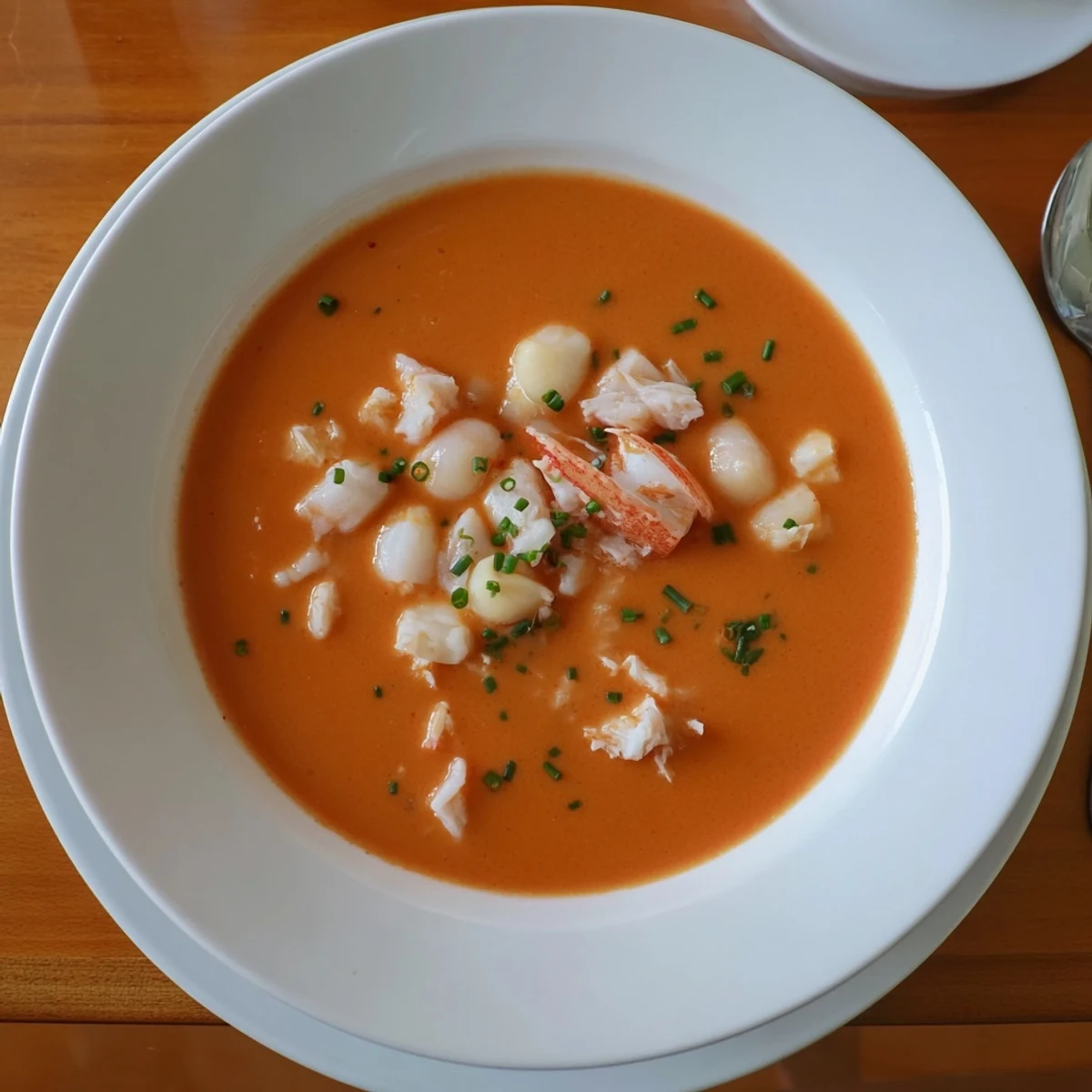
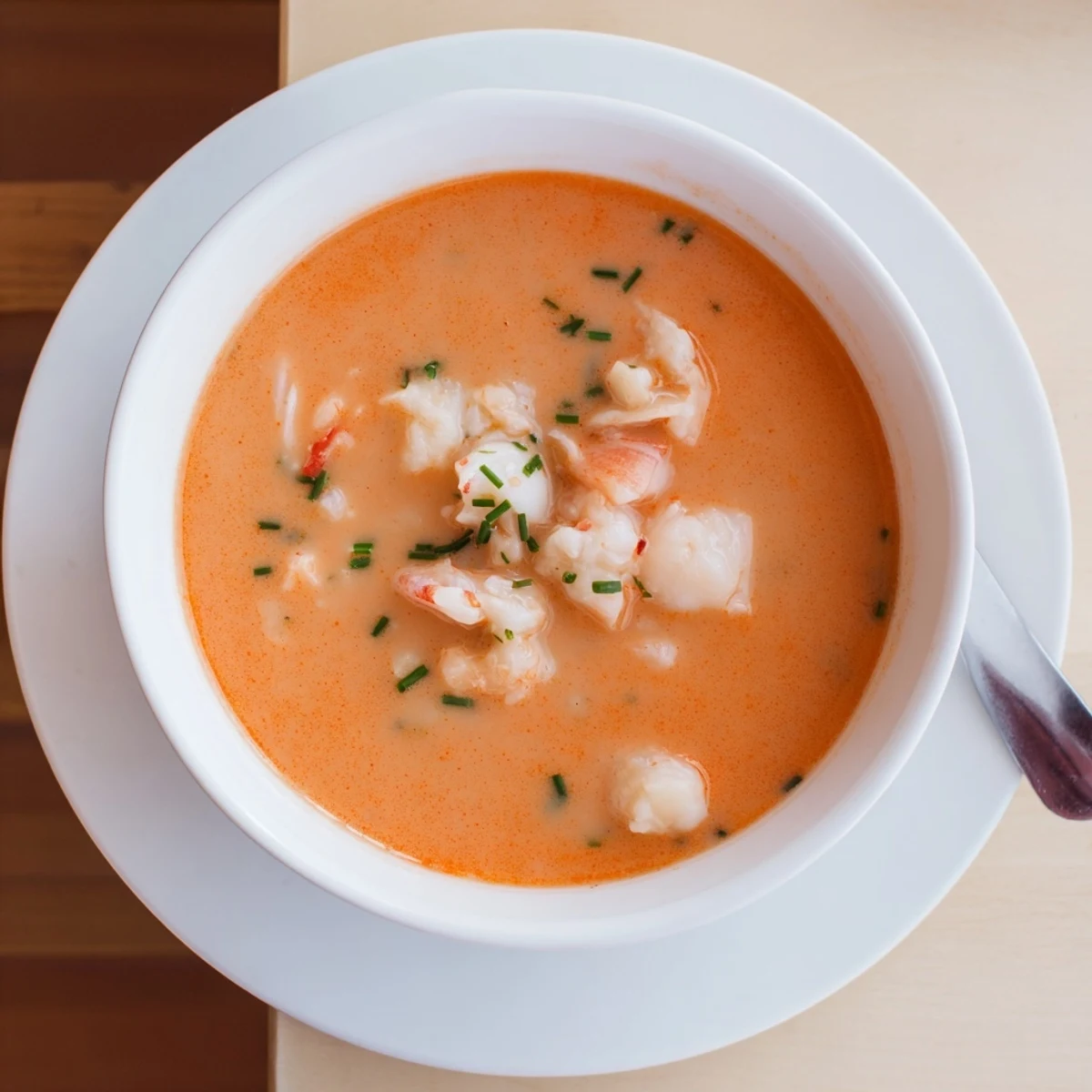
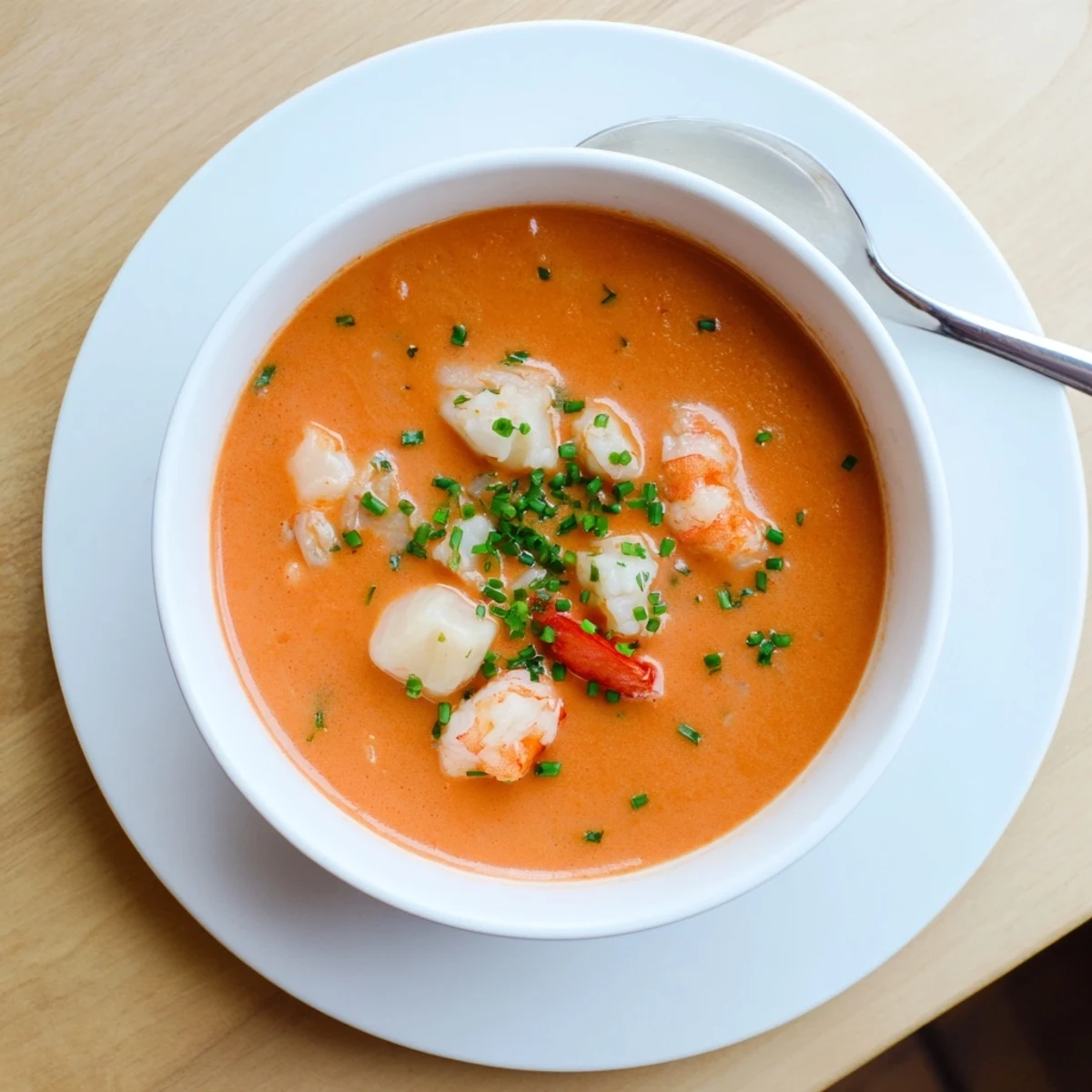
 This classic French bisque delivers restaurant-quality elegance with its silky-smooth texture and layers of delicate seafood flavor. The combination of shrimp, scallops, and lump crab meat creates a luxurious depth that's perfect for special occasions or upscale dinner parties.
What sets this bisque apart is the thoughtful preparation—aromatic vegetables are slowly sautéed to build a flavor foundation, then enriched with tomato paste, white wine, and fragrant spices. The broth is simmered to develop complexity before being blended to velvety perfection.
A splash of heavy cream adds the signature richness, while fresh lemon juice brightens the finish. Serve garnished with delicate herbs and crusty French bread for a complete dining experience that's sure to impress guests.
The first time I attempted bisque, I stood in my tiny apartment kitchen staring at an intimidating pile of shrimp shells and a bottle of wine I'd bought specifically for cooking. Something about transforming humble seafood scraps into something restaurant-quality felt like magic I wasn't sure I could pull off. That evening taught me that bisque isn't about perfection—it's about patience and letting layers of flavor build slowly in the pot. Now this rich, velvety soup is my go-to when I want to make someone feel special without spending hours at the stove.
I served this for my mother's birthday dinner last winter, watching her face light up with the first spoonful. She grew up coastal and knows her seafood, so when she declared it better than the version from our favorite French bistro, I knew I'd finally nailed the technique. There's something deeply satisfying about watching people discover how good homemade bisque can be, especially when they're used to only having it at restaurants.
Ingredients
- Shrimp: The shells create an incredible base for the stock if you take the extra step to simmer them first
- Scallops: Add sweetness and a delicate texture that pairs beautifully with the rich cream
- Lump crab meat: Use the good stuff here—it brings briny sweetness that ties everything together
- Onion, celery, carrot: This classic mirepoix forms the aromatic foundation, so chop them finely for a smoother final texture
- Garlic: Don't skimp here, it adds essential depth that balances the cream
- Dry white wine: Something you'd actually drink makes a difference—Sauvignon Blanc works beautifully
- Seafood stock: Homemade from the shrimp shells is ideal, but a good store-bought fish stock works too
- Heavy cream: This creates the luxurious texture that defines a true bisque
- Tomato paste: Adds subtle color and a hint of sweetness that balances the shellfish
- Cayenne and paprika: Just enough warmth to highlight without overwhelming the delicate seafood flavors
- Fresh lemon juice: The acid at the end makes all the flavors sing and cuts through the richness
Instructions
- Build your flavor foundation:
- Melt butter with olive oil in a large saucepan over medium heat, then add onion, celery, carrot, and garlic. Sauté until softened and fragrant, about 4–5 minutes—the vegetables should be translucent and your kitchen should smell amazing.
- Add the aromatic layers:
- Stir in the tomato paste, cayenne, paprika, and bay leaf. Let this cook for 2 minutes, stirring constantly, until the tomato paste darkens slightly and releases its sweet undertones.
- Deglaze and simmer:
- Pour in the white wine and let it bubble for 2 minutes while you scrape up any brown bits from the bottom of the pan—those bits are pure flavor. Add the stock, bring to a gentle boil, then reduce heat and simmer uncovered for 15 minutes to let everything meld together.
- Cook the seafood perfectly:
- Add shrimp and scallops to the pot and cook until just opaque, 3–4 minutes. Remove them immediately, chop coarsely, and set aside—overcooked seafood will turn rubbery and sad.
- Transform into silky bisque:
- Use an immersion blender right in the pot (or work in batches with a regular blender) until completely smooth. This is where the magic happens—the rough vegetable soup becomes elegant and refined.
- Finish with cream and reunited seafood:
- Return the soup to the pot and stir in heavy cream, lemon juice, and all the chopped seafood including the crab. Simmer for just 5 minutes, then season with salt and pepper until it tastes like something you'd order at a fancy restaurant.
 Pin It
 One snowy evening, I made a double batch for impromptu dinner guests who arrived with crusty bread and good wine. We stood around the stove warming our hands over bowls of steaming bisque, and the conversation flowed as easily as the wine. Something about that rich, warming soup brings people together in the most wonderful way.
Making Your Own Seafood Stock
If you have extra time, simmer the shrimp shells in the stock for 20 minutes before using—strain them out and you'll have a base that's infinitely more complex than anything from a box. I learned this trick from a chef who told me that restaurant-quality bisque always starts with shell-based stock. The difference is subtle but noticeable, especially if you're serving someone who really knows their seafood.
Texture Secrets
The immersion blender is your best friend here, but if you want it absolutely silky, press the pureed soup through a fine-mesh sieve before adding the cream back in. I only do this for special occasions, but that restaurant-smooth texture is worth the extra 5 minutes when you're trying to impress. Just be careful not to press too hard or you'll force fibrous bits through and defeat the purpose.
Make-Ahead Magic
Bisque actually tastes better the next day, which makes it perfect for dinner parties. Make it through the pureeing step, cool it completely, and refrigerate up to 2 days ahead. When you're ready to serve, simply reheat gently, stir in the cream and seafood, and finish with that bright squeeze of lemon.
- Freeze the base without cream for up to a month, then thaw and finish with fresh cream and seafood
- If reheating, do it very slowly over low heat to prevent the cream from separating
- Have your seafood already prepped and ready to add at the very last minute for perfect texture
 Pin It
 There's something profoundly satisfying about serving this bisque and watching people's eyes widen at that first taste. It's a reminder that some of the most elegant things in life start with humble ingredients and a little patience.
Recipe FAQs
- → What makes a bisque different from regular soup?
-
A bisque is a smooth, creamy French soup traditionally made with shellfish. What distinguishes it is the combination of strained seafood stock, heavy cream, and typically a pureed vegetable base. The texture should be velvety and luxurious, with a concentrated seafood flavor that comes from cooking the shells in the broth before straining.
- → Can I make this bisque ahead of time?
-
Absolutely. In fact, the flavors often improve after resting in the refrigerator for 1-2 days. Prepare the bisque completely, cool it quickly, and store in an airtight container. Reheat gently over low heat, stirring occasionally to prevent separation. Add a splash of cream if it thickens too much upon reheating.
- → What's the best way to achieve the smoothest texture?
-
For the silkiest results, use an immersion blender directly in the pot, or work in batches with a high-speed blender. After blending, pass the soup through a fine-mesh sieve to catch any remaining fibers or lumps. This extra step ensures that restaurant-quality velvety consistency that defines a great bisque.
- → Can I substitute the seafood varieties?
-
Certainly. While the classic combination includes shrimp, scallops, and crab, you can adapt based on preference or availability. Lobster adds exceptional luxury, langoustines work beautifully, or even firm white fish like halibut can be incorporated. Just ensure total seafood weight remains roughly 500g for proper balance.
- → Why is tomato paste included in a seafood dish?
-
Tomato paste serves multiple purposes in this bisque. It adds subtle depth and color without making the soup taste like tomato soup. More importantly, when cooked with the aromatics, it caramelizes and contributes a rich umami quality that enhances and bridges the flavors of the various seafood components.
- → What wine pairs best with seafood bisque?
-
A crisp, acidic white wine cuts through the creaminess beautifully. Classic choices include Sauvignon Blanc, Chablis, or a dry Chardonnay. The wine's acidity balances the rich texture while its mineral notes complement the delicate seafood flavors. Avoid heavily oaked wines that might overpower the subtle nuances.