
 Pin It
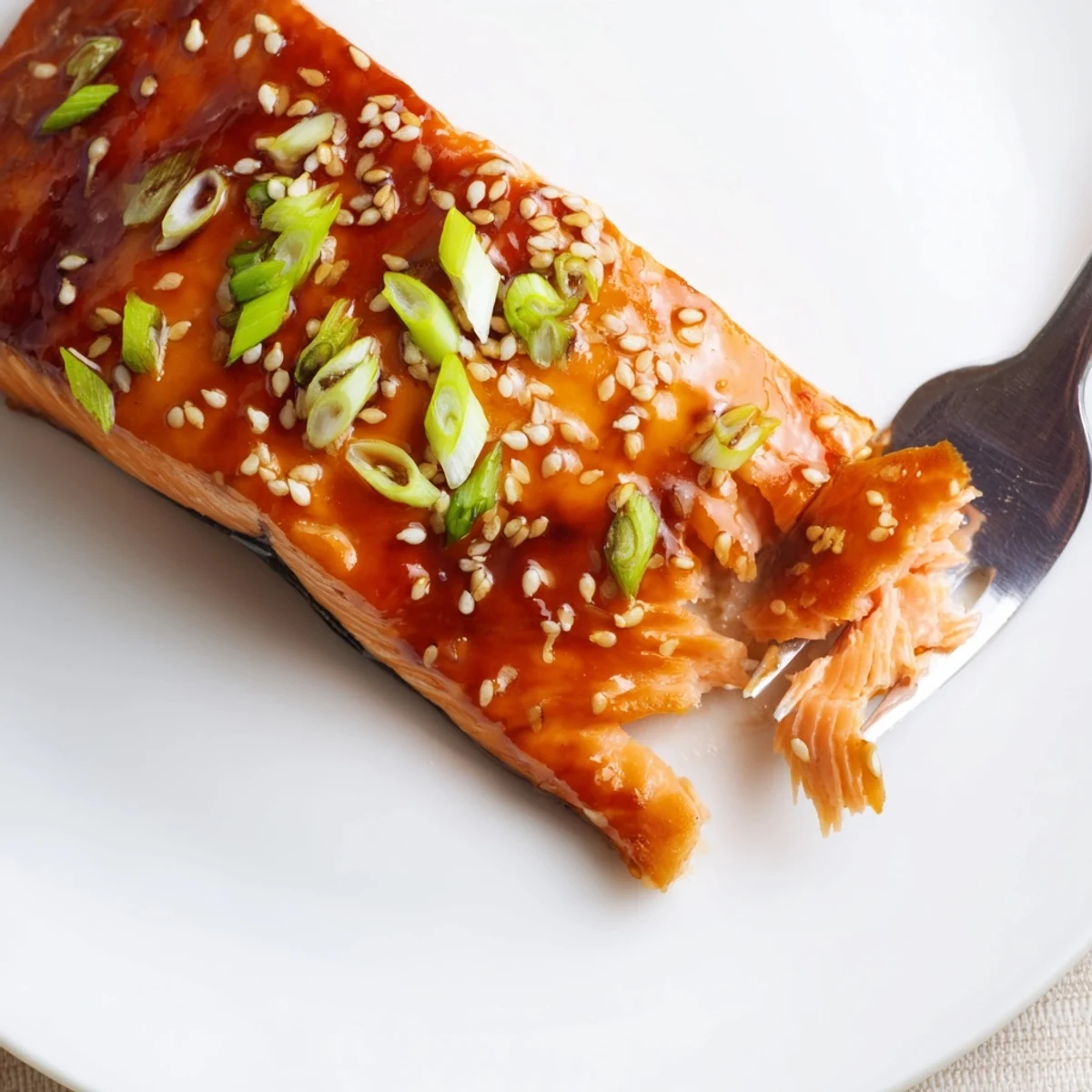
 Skin-on salmon fillets are brushed with a glossy gluten-free teriyaki glaze made from tamari, maple syrup, rice vinegar, sesame oil, garlic and grated ginger. Cornstarch dissolved in water thickens the sauce, which is applied before baking and again after a 12-15 minute roast at 200°C (400°F). Finish with sesame seeds and sliced spring onions; serve with steamed rice or sautéed greens. Marinate 20 minutes for deeper flavor or add red pepper flakes for heat.
The sizzle of salmon hitting a hot baking sheet is one of those sounds that instantly makes a kitchen feel alive, and this gluten free teriyaki version has been on repeat in my house for months. My friend Priya, who avoids gluten, nearly wept when she tasted the sauce because it finally matched the depth she remembered from her favorite takeout spot. The glaze caramelizes in the oven into something glossy and deeply savory, clinging to every fold of the fish. It takes all of twenty five minutes from pantry to plate.
I served this to my neighbor Dave over steamed rice after he helped me carry a sofa up three flights of stairs. He sat back, chopsticks still in hand, and said the sauce tasted like something from the restaurant downtown but better because it was not cloyingly sweet.
Ingredients
- 4 salmon fillets (about 170 g each), skin on: Skin on fillets protect the fish from drying out and crisp up beautifully under the broiler if you want extra crunch at the end.
- 60 ml tamari or gluten free soy sauce: Tamari is smoother and less salty than standard soy, making it ideal for a glaze that coats rather than overpowers.
- 2 tbsp pure maple syrup: This is the quiet hero of the sauce, adding warmth and complexity that regular sugar simply cannot match.
- 2 tbsp rice vinegar: A gentle acidity balances the sweetness and helps tenderize the fish as it bakes.
- 1 tbsp sesame oil: Toasted sesame oil is potent, so a little goes a long way in rounding out the Asian inspired flavor profile.
- 2 garlic cloves, minced: Fresh garlic makes a noticeable difference here since the sauce cooks quickly and the raw bite needs to be mild.
- 2 tsp fresh ginger, grated: Grate it finely on a microplane so it melts into the sauce rather than leaving stringy bits.
- 2 tsp cornstarch plus 2 tbsp water: This simple slurry is what transforms a thin liquid into a lacquered glaze that actually sticks to the salmon.
- 1 tbsp sesame seeds: Toast them in a dry pan for thirty seconds and your garnish goes from decorative to genuinely flavorful.
- 2 spring onions, sliced thin: Slice them on a sharp diagonal for visual appeal and add them right before serving so they stay bright and crisp.
Instructions
- Preheat and prepare:
- Set your oven to 200C (400F) and line a baking sheet with parchment paper, pressing it into the corners so it does not curl up and touch the fish.
- Build the teriyaki sauce:
- Whisk tamari, maple syrup, rice vinegar, sesame oil, garlic, and ginger together in a small saucepan over medium heat until the mixture begins to steam and smell fragrant.
- Thicken with a cornstarch slurry:
- Dissolve cornstarch in water in a separate bowl, then pour it into the saucepan while stirring constantly, cooking for two to three minutes until the sauce coats the back of a spoon.
- Arrange and glaze the salmon:
- Place the fillets skin side down on the prepared sheet and brush each one generously with sauce, saving a little for a final coat after baking.
- Bake until just done:
- Slide the pan into the oven for twelve to fifteen minutes, checking at the twelve minute mark because salmon goes from perfect to overcooked in a heartbeat.
- Finish and garnish:
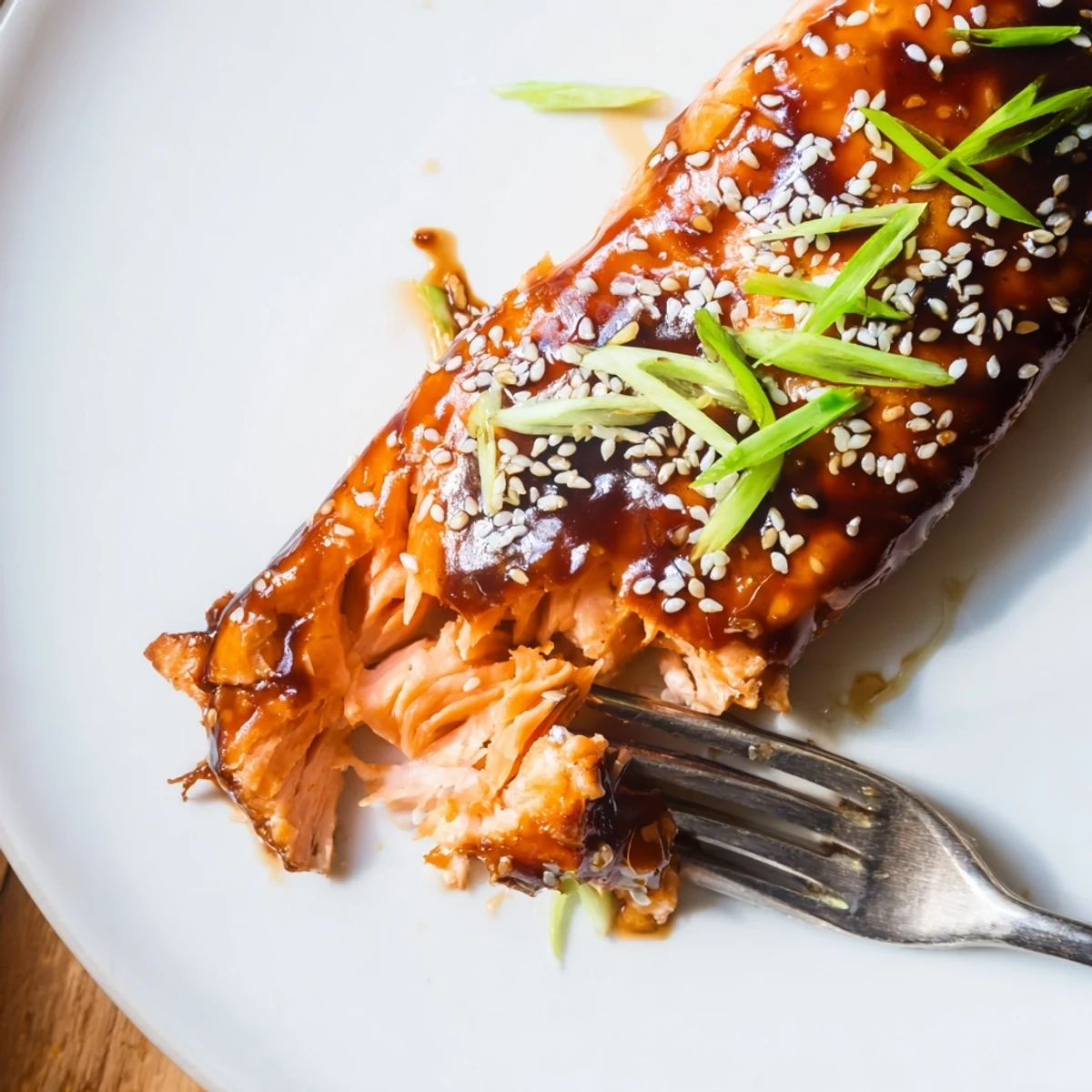
- Pull the salmon out, brush with any remaining sauce, and scatter sesame seeds and spring onions over the top while the fish is still hot so everything adheres.
 Pin It
 There was a Tuesday night when rain hammered the windows and I threw this together standing barefoot in the kitchen, and my partner closed their laptop mid sentence just to sit down and eat while it was hot.
What to Serve Alongside
Steamed jasmine rice soaks up every drop of extra sauce, and a quick cucumber salad with rice vinegar and a pinch of sugar adds the crunch the plate needs. Sautéed bok choy or roasted broccoli also work beautifully if you want something warm on the side.
Making It Your Own
A pinch of red pepper flakes stirred into the sauce gives a gentle heat that builds without overwhelming the delicate fish. For a deeper flavor, let the salmon marinate in half the sauce for twenty minutes before baking, then use the remaining half for glazing.
Storage and Reheating
Leftovers keep well in an airtight container in the fridge for up to two days, though the fish is best the day it is made. Reheat gently in a low oven rather than a microwave to preserve the texture of the glaze.
- Do not freeze the glazed salmon because the sauce separates upon thawing and the fish becomes grainy.
- If you are meal prepping, store the sauce separately and glaze the fish right before baking.
- Always double check tamari labels to confirm gluten free certification, since cross contamination can occur in shared facilities.
 Pin It
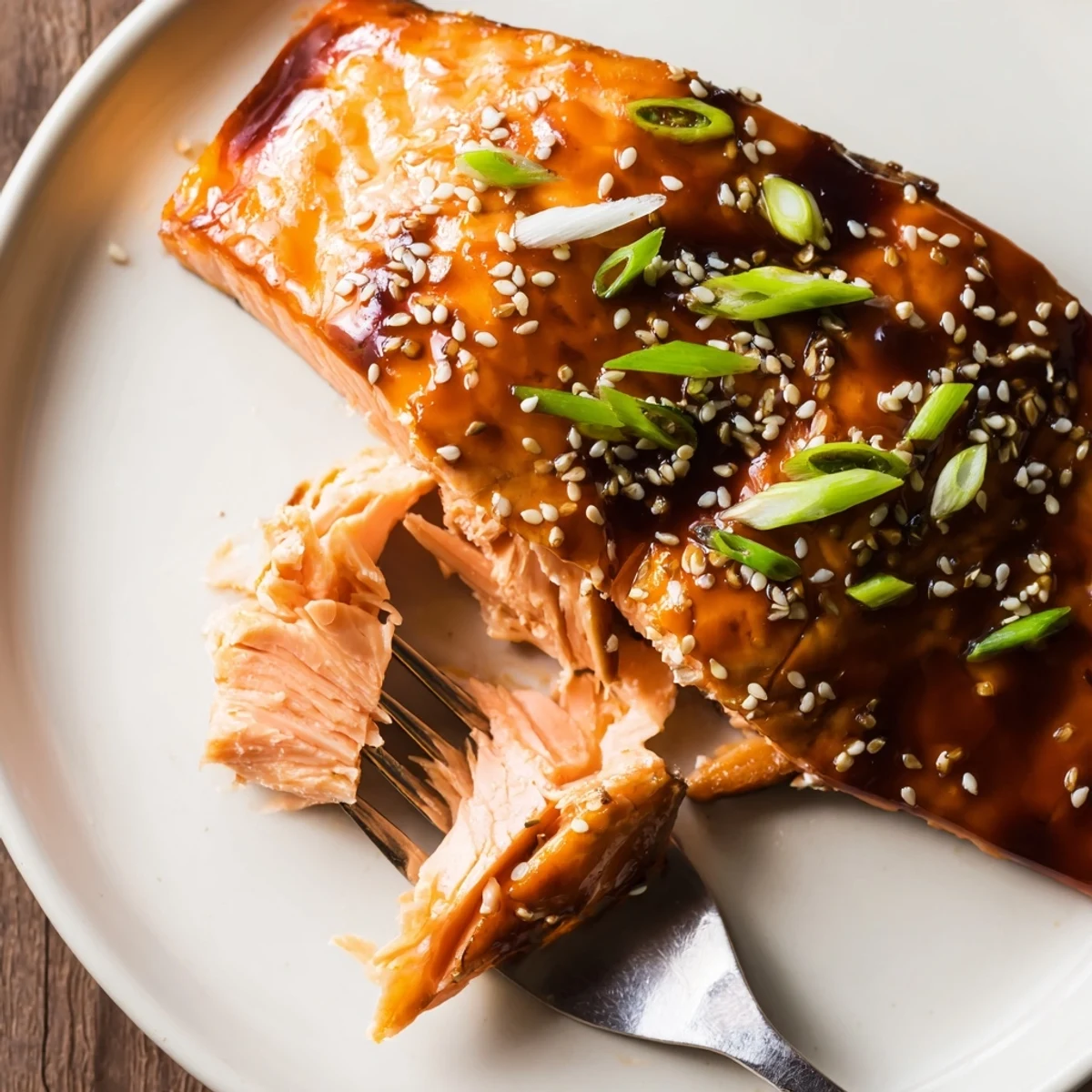
 This is the kind of recipe that makes weeknight cooking feel generous rather than rushed. Keep a bottle of tamari and some maple syrup in your pantry, and dinner is never far away.
Recipe FAQs
- → Can I use regular soy sauce instead of tamari?
-
Yes, regular soy sauce works for flavor, but tamari is preferred for a gluten-free option. Taste the sauce and reduce added salt if using regular soy sauce.
- → Why keep the skin on the salmon?
-
Keeping the skin on protects the flesh during roasting, helps retain moisture, and crisps up under high heat, adding texture and flavor to each serving.
- → How do I thicken the teriyaki glaze?
-
Dissolve cornstarch in cold water and stir it into the simmering sauce. Cook 2-3 minutes until glossy and thick enough to coat the back of a spoon.
- → What are good side dishes to pair with this salmon?
-
Steamed rice, sautéed bok choy or green beans, and a crisp cucumber salad complement the sweet-salty glaze and balance the meal.
- → Can I marinate the salmon ahead of time?
-
Yes — marinate up to 20 minutes for extra depth. Avoid much longer with acidic ingredients to prevent the flesh from becoming too firm.
- → How should leftovers be stored and reheated?
-
Refrigerate cooled salmon in an airtight container for up to 2 days. Reheat gently in a low oven (150°C/300°F) until warmed through to preserve texture and glaze.