
 Pin It
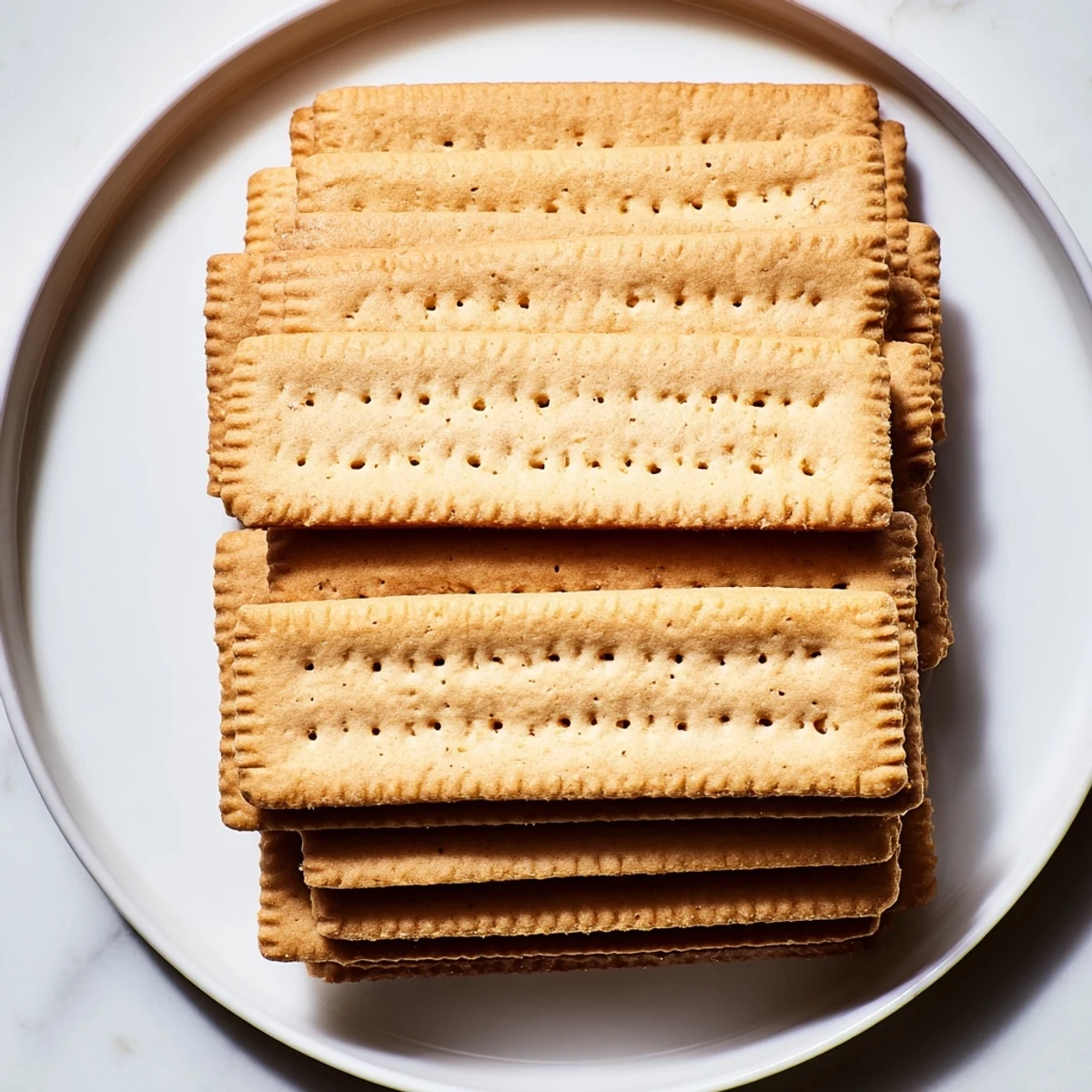
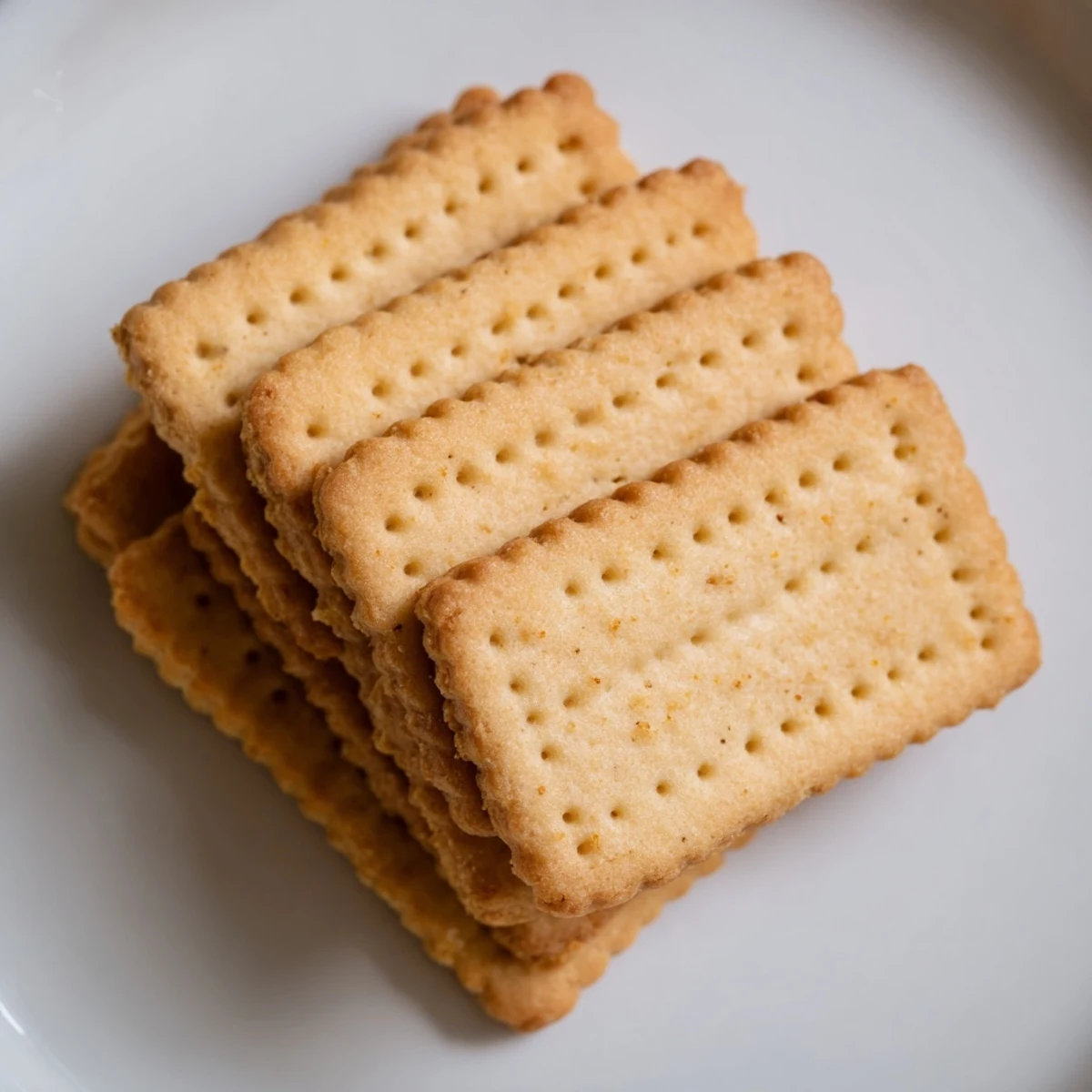
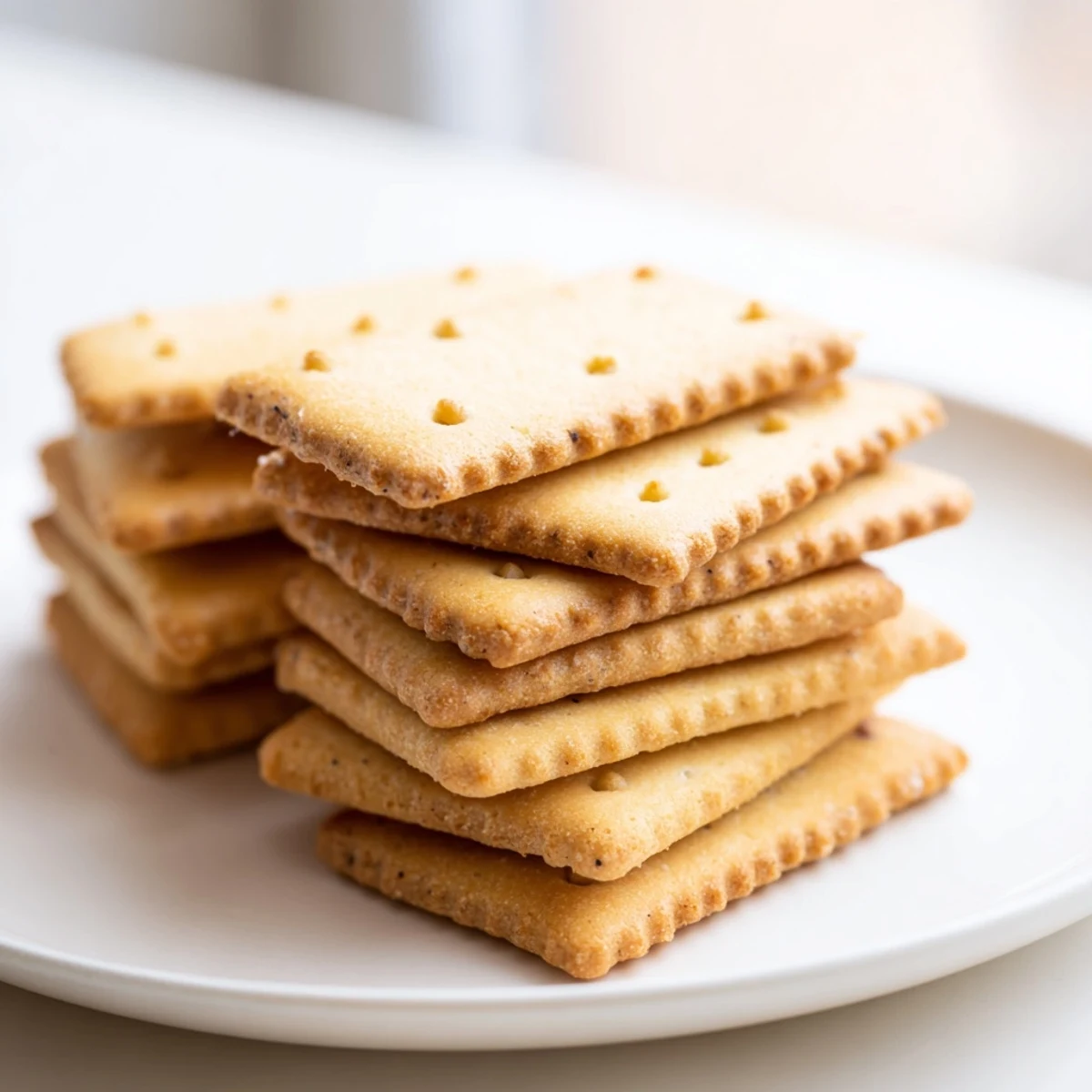
 Les petits beurre sont des biscuits français emblématiques, reconnaissables à leur forme rectangulaire cannelée et leurs petits trous caractéristiques. Dorés et croustillants, ils offrent une texture sablée fondante grâce au beurre doux et une touche subtile de vanille.
Cette préparation facile nécessite seulement 20 minutes de préparation et 12 minutes de cuisson. Après un repos d'une heure au réfrigérateur, la pâte est étalée finement puis découpée à l'emporte-pièce. Chaque biscuit est piqué à la fourchette avant d'être enfourné à 180°C.
Vegetariens et gourmands, ces biscuits se conservent jusqu'à deux semaines dans une boîte hermétique. Vous pouvez les personnaliser avec des zestes de citron ou les tremper dans du chocolat fondu pour une variante encore plus gourmande.
My neighbor Madame Dupont used to slip petit beurre biscuits into my mailbox every Sunday morning, still warm in a folded cloth napkin. The buttery scent would hit me before I even opened the envelope slot. Years later, I finally asked for the recipe and she laughed, telling me it took her three attempts to get the dough thickness right. That conversation changed my afternoons forever.
I baked a double batch for a rainy Tuesday tea party with friends and watched everyone instinctively dunk their biscuits before taking a bite. The room went silent for a full minute, which is the highest compliment any home baker can receive.
Ingredients
- 200 g flour: Plain all purpose flour gives the biscuit its signature snap, so resist the urge to substitute with anything coarser.
- 100 g sugar: Granulated sugar dissolves into the warm butter mixture and creates that delicate sweetness without overwhelming the butter flavor.
- 100 g unsalted butter: Good butter is everything here, so use the highest quality you can find because this ingredient carries the entire recipe.
- 50 ml whole milk: Whole milk adds richness and helps bind the dough without making it sticky.
- 5 g baking powder: Just enough lift to keep the biscuits from turning into hard crackers while maintaining their dense charm.
- 1 pinch of salt: Salt sharpens every other flavor and prevents the biscuits from tasting flat.
- 1 vanilla bean or 1 packet vanilla sugar: Vanilla transforms a simple butter biscuit into something quietly aromatic and memorable.
Instructions
- Melt and combine:
- Gently warm the butter with the milk in a saucepan over low heat until the butter is just melted, then stir in the sugar and vanilla until nothing grainy remains.
- Cool the mixture:
- Let the liquid sit until it is warm rather than hot to the touch, because overheated fat will cook the flour on contact.
- Bring the dough together:
- Pour the cooled mixture into a large bowl, add the flour, baking powder, and salt, then stir with a wooden spoon until a smooth dough forms and pulls away from the sides.
- Rest the dough:
- Shape the dough into a ball, wrap it tightly in cling film, and tuck it into the refrigerator for one full hour so it firms up enough to roll cleanly.
- Preheat the oven:
- Set your oven to 180 degrees Celsius with static heat, giving it at least fifteen minutes to reach full temperature before the first tray goes in.
- Roll and cut:
- Flour your work surface lightly and roll the dough to an even 3 to 4 millimeter thickness, then cut rectangles using a fluted cutter for that classic petit beurre shape.
- Prepare for baking:
- Arrange the cut biscuits on a parchment lined baking sheet, leaving a small gap between each one so they bake evenly.
- Dock and bake:
- Prick each biscuit a few times with a fork for the traditional dotted pattern, then slide the tray into the oven for twelve minutes until the edges turn a warm golden brown.
- Cool completely:
- Transfer the biscuits to a wire rack and let them cool entirely before eating, because their crunch develops fully only as they cool.
 Pin It
 One winter evening my daughter arranged forty petit beurre in a spiral pattern on a plate and declared it a biscuit mandala. We ate it from the outside in, and somehow that made each one taste better.
Keeping Them Crisp
Store your cooled biscuits in a truly airtight tin rather than a plastic bag, because even a small amount of ambient moisture will soften their snap overnight.
Fun Variations to Try
A tablespoon of lemon zest folded into the dough adds a bright note that pairs beautifully with afternoon tea. You can also dip half of each cooled biscuit into melted dark chocolate and let them set on parchment for a more indulgent version.
What to Watch For
Every kitchen handles dough differently depending on humidity, flour brand, and even the butter fat content, so trust what your hands tell you more than the measurements.
- If the dough feels sticky after resting, work in a small dusting of flour on the board.
- Rotate your baking sheet halfway through if your oven has hot spots.
- Always let the first batch cool and taste it before baking the rest, so you can adjust timing if needed.
 Pin It
 These humble little biscuits carry more warmth than their simplicity suggests, and once you master them, they will quietly become part of your everyday life.
Recipe FAQs
- → Pourquoi faut-il piquer les petits beurre avec une fourchette ?
-
Le piquage à la fourchette permet à la vapeur de s'échapper pendant la cuisson, évitant ainsi que les biscuits ne gonflent ou ne se déforment. C'est aussi ce qui donne leur aspect traditionnel et authentique aux petits beurre français.
- → Peut-on remplacer le beurre doux par du beurre salé ?
-
Oui, vous pouvez utiliser du beurre demi-sel pour ajouter une touche légèrement salée qui rehausse la saveur des biscuits. Dans ce cas, réduisez ou supprimez la pincée de sel indiquée dans les ingrédients pour équilibrer le goût.
- → Comment obtenir des biscuits bien réguliers et de même épaisseur ?
-
Utilisez des guides de pâtisserie (règles de même épaisseur) de chaque côté de votre pâte lorsque vous l'étalez au rouleau. Une épaisseur de 3 à 4 mm est idéale pour des petits beurre croustillants à l'extérieur et légèrement tendres au centre.
- → Combien de temps peut-on conserver les petits beurre ?
-
Les petits beurre se conservent une à deux semaines dans une boîte hermétique à température ambiante. Assurez-vous qu'ils soient complètement refroidis avant de les ranger pour éviter toute condensation qui ramollirait les biscuits.
- → Peut-on préparer la pâte à l'avance ?
-
Oui, la pâte peut être préparée la veille et conservée au réfrigérateur, bien enveloppée dans un film alimentaire. Vous pouvez également la congler jusqu'à un mois. Laissez-la revenir à température ambiante une quinzaine de minutes avant de l'étaler.
- → Quel emporte-pièce utiliser pour des petits beurre authentiques ?
-
L'emporte-pièce traditionnel est rectangulaire avec des bords cannelés, typiquement d'environ 5 cm sur 4 cm. Si vous n'en avez pas, un emporte-pièce rond ou carré fera l'affaire. L'essentiel est de découper des formes régulières pour une cuisson homogène.