
 Pin It
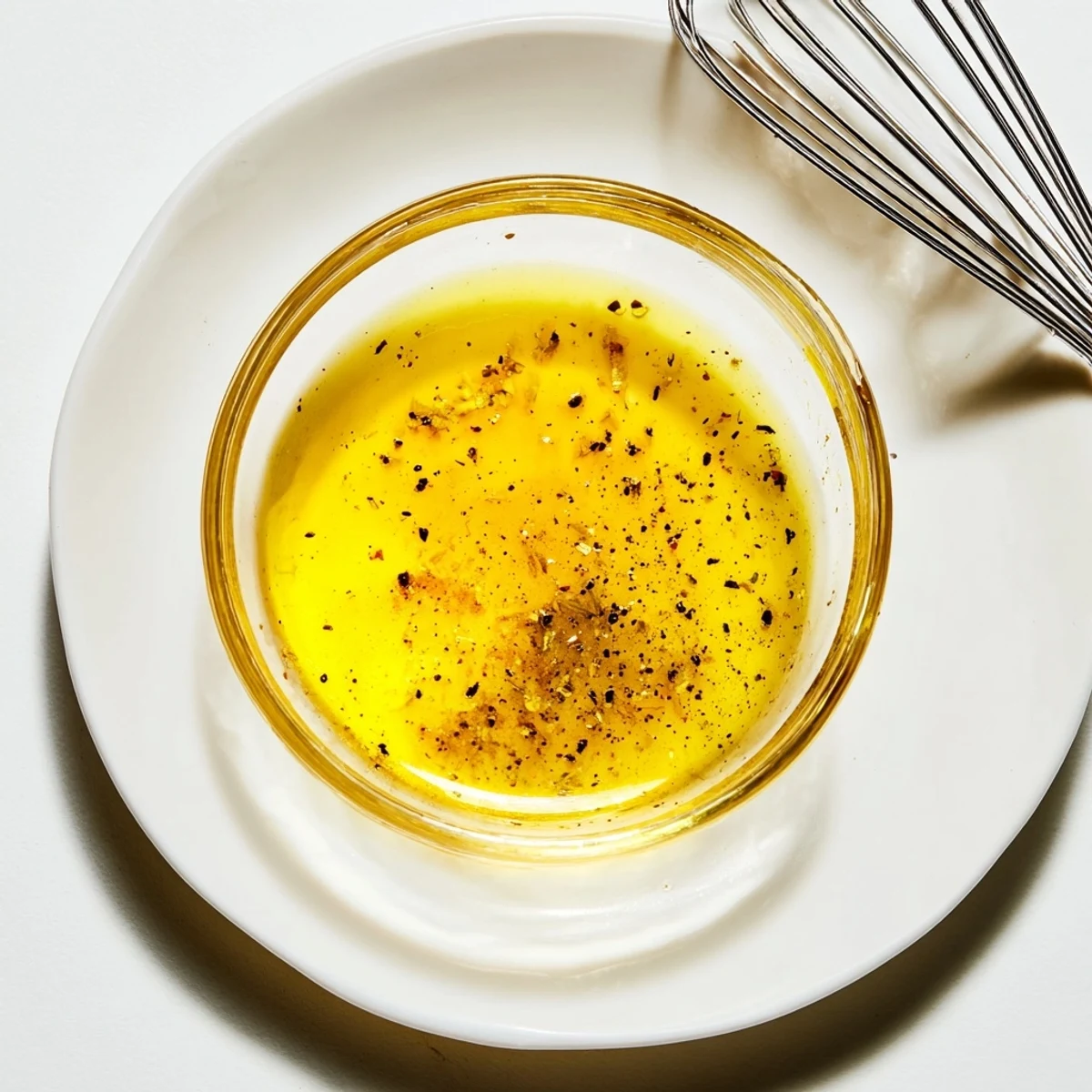
 This vibrant vinaigrette balances fresh citrus brightness with honey's natural sweetness, creating a versatile dressing that elevates simple salads and adds zest to grilled vegetables. The emulsified blend of extra-virgin olive oil, lemon juice, and Dijon mustard delivers restaurant-quality results in just five minutes using basic pantry staples.
Perfect for meal prep, this dressing keeps beautifully in the refrigerator for up to a week. The flavors develop and meld over time, making it even more delicious. Adjust the honey-lemon ratio to suit your taste—more honey for sweetness, more lemon for brightness.
The first time I made this vinaigrette, I was trying to save a salad that had seemed too boring to bother eating. Five minutes later, everything changed.
My sister-in-law asked for the recipe after a family barbecue, then texted me three days later saying she put it on everything from roasted potatoes to grilled peaches.
Ingredients
- 1/4 cup fresh lemon juice: Fresh matters more here than almost anything, bottled lemon juice never hits the same bright notes
- 2 tablespoons honey: Warm it slightly for 10 seconds if it is too thick to measure easily
- 1/2 teaspoon Dijon mustard: This is the secret that helps everything come together and stay together
- 1/2 teaspoon fine sea salt: Fine salt dissolves better than coarse in dressings
- 1/4 teaspoon freshly ground black pepper: Freshly cracked gives a little warmth that pre-ground lacks
- 1/2 cup extra-virgin olive oil: The really good stuff matters here since the flavor shines through
Instructions
- Build your base:
- Whisk the lemon juice, honey, Dijon, salt, and pepper in a small bowl until the honey dissolves completely into the liquid.
- Emulsify like you mean it:
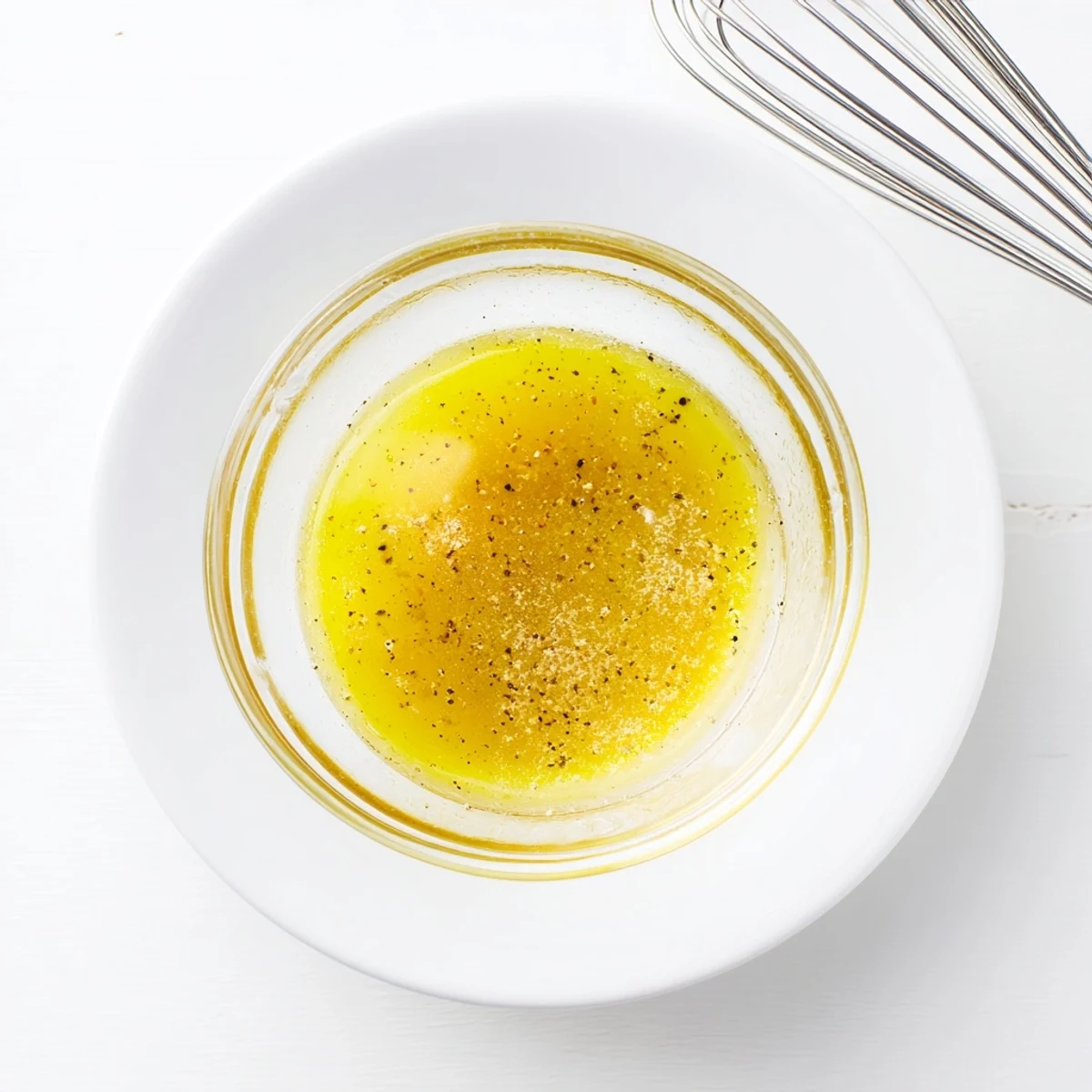
- Drizzle the olive oil slowly while whisking constantly, watch it transform from separated to creamy and unified.
- Taste and trust yourself:
- Dip a leaf of lettuce in and adjust, sometimes it wants more honey, sometimes more salt, let your palate decide.
 Pin It
 This became the salad dressing my children actually started asking for, and seeing them reach for seconds of greens felt like a small parenting victory.
Making It Your Way
Sometimes I swap in champagne vinegar for a more delicate note, especially when I am serving something subtle like butter lettuce or delicate spring greens.
What It Loves Best
This dressing has become my go-to for roasted vegetables straight from the oven, the way it catches on the still-warm carrots and asparagus is something else entirely.
Storage And Timing
I make a batch on Sunday and it keeps me eating salads all week without getting bored.
- Store in a jar with a tight lid
- Let it sit at room temperature for 10 minutes before using if it has been refrigerated
- Shake vigorously until it comes back together
 Pin It
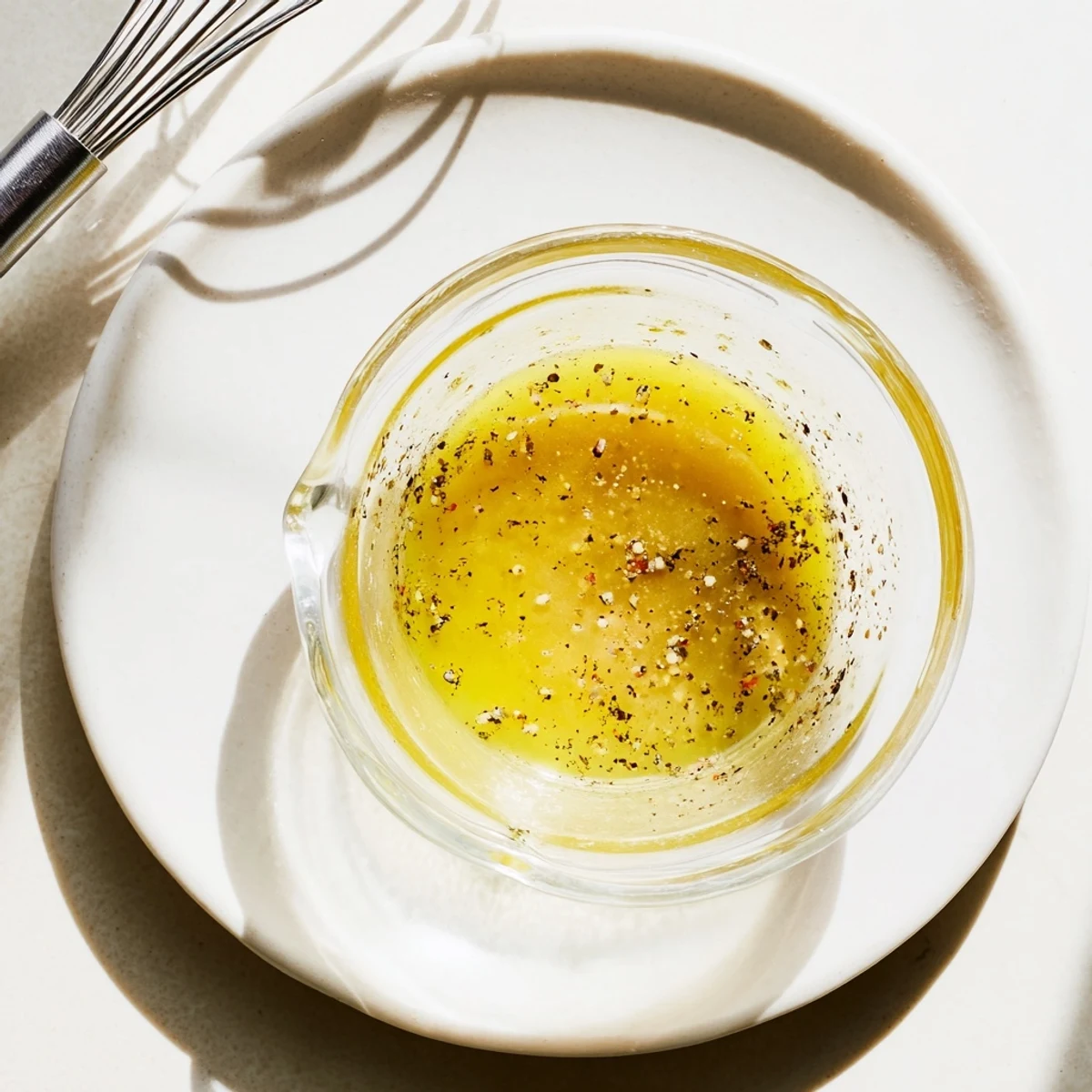
 Sometimes the simplest things are the ones that make us wonder why we ever bothered with store-bought versions at all.
Recipe FAQs
- → How long does honey lemon vinaigrette last?
-
This vinaigrette stays fresh in a sealed container in the refrigerator for up to one week. The olive oil may solidify when chilled—simply let it sit at room temperature for a few minutes and shake or whisk before using to re-emulsify.
- → Can I make this vinaigrette vegan?
-
Absolutely. Replace the honey with an equal amount of pure maple syrup or agave nectar. Both alternatives provide the necessary sweetness and balance perfectly with the lemon's acidity.
- → What salads pair best with this vinaigrette?
-
This bright dressing complements mixed greens, spinach, arugula, and kale beautifully. It also works wonderfully with grilled vegetables, grain bowls, and as a light marinade for chicken or fish before cooking.
- → Why is my vinaigrette separating?
-
Separation is natural for vinaigrettes without stabilizers. Simply shake or whisk vigorously before each use to re-emulsify. The Dijon mustard helps temporarily bind the oil and acid together for a creamier texture.
- → Can I use bottled lemon juice?
-
Fresh lemon juice provides the brightest, most vibrant flavor. Bottled juice works in a pinch but may taste slightly artificial or overly acidic. For the best results, squeeze fresh lemons.