
 Pin It
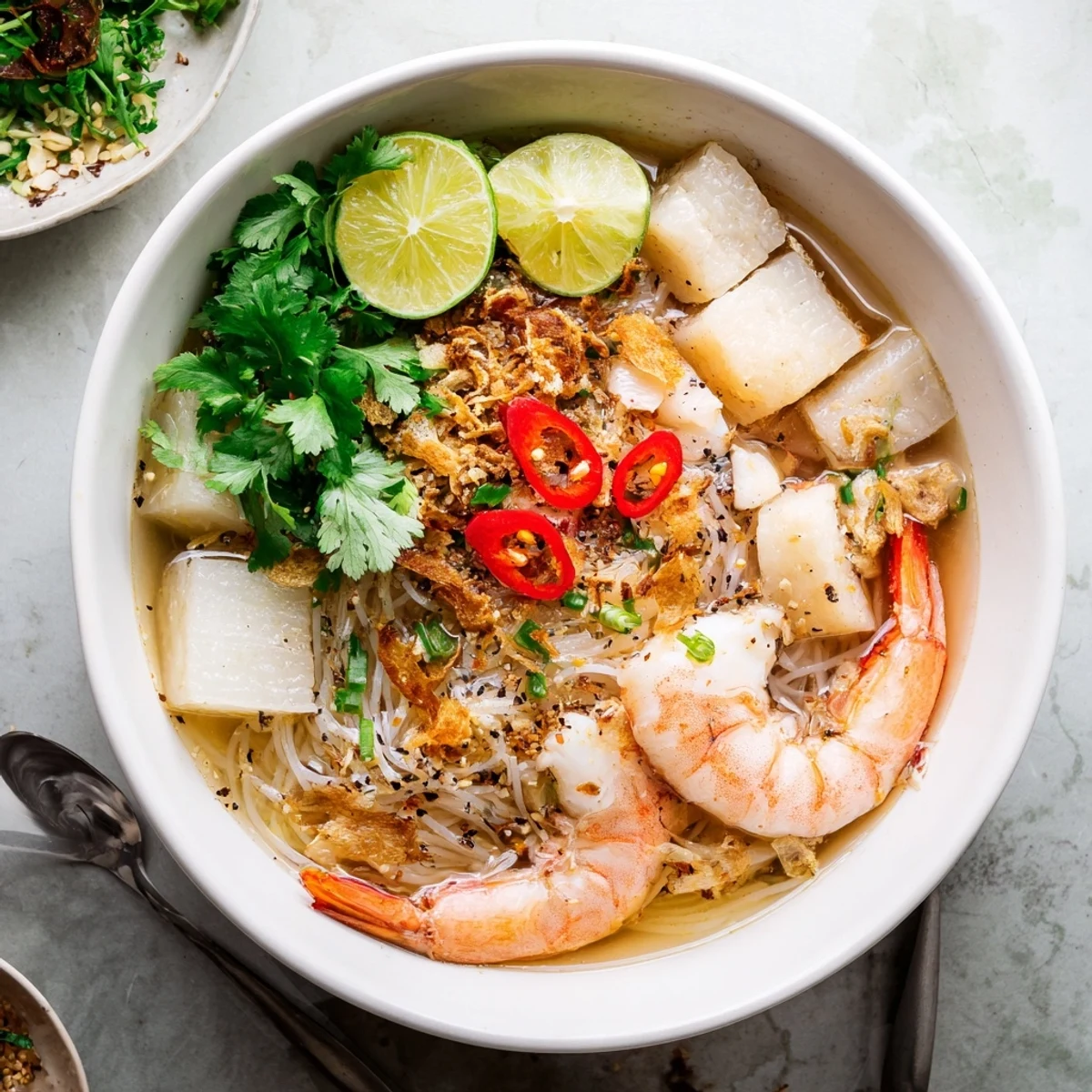
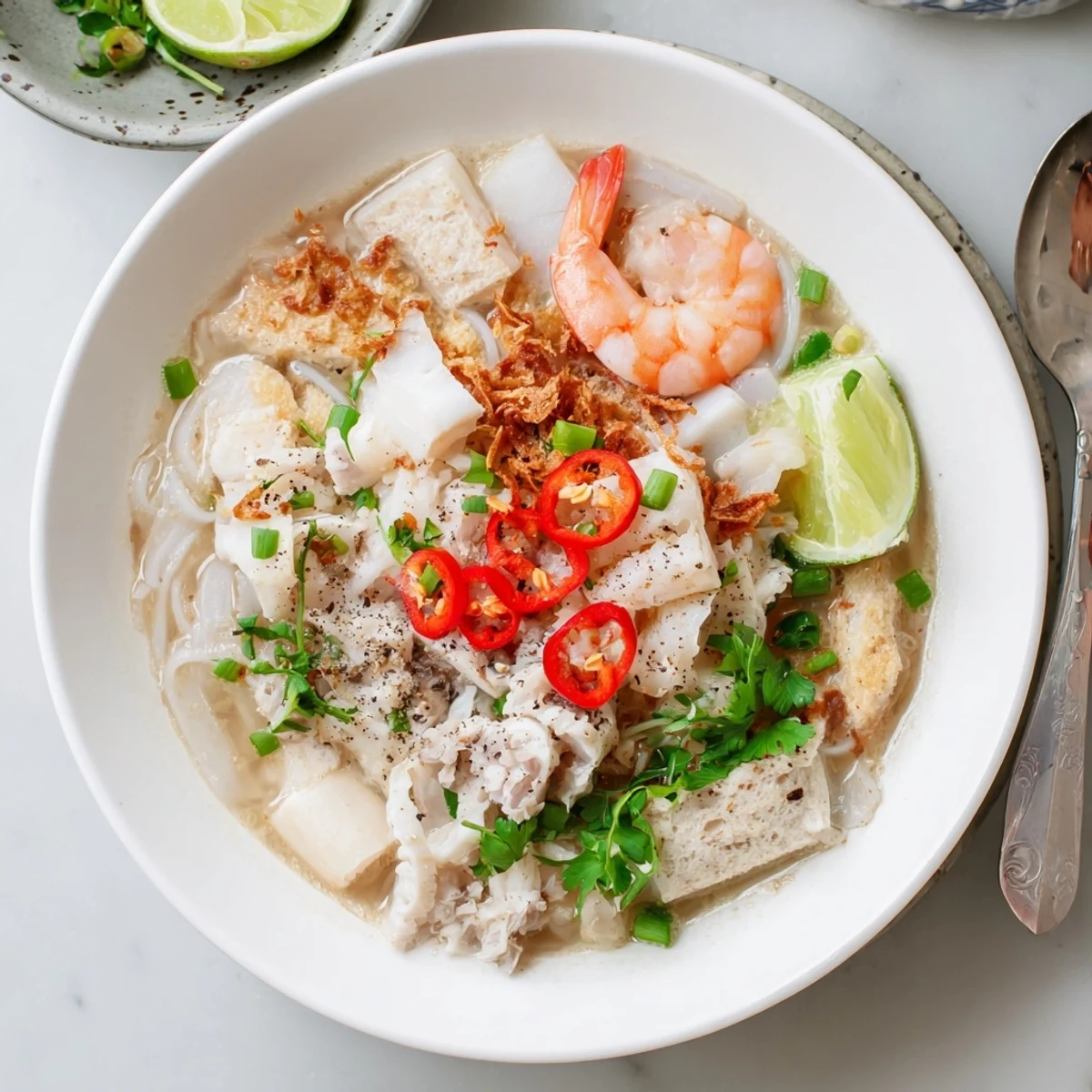
 Banh Canh Cua brings together the essence of Vietnamese comfort cooking with its hearty crab-based broth and chewy tapioca noodles. The dish features a medley of fresh crab meat, tender shrimp, and sliced fish cakes swimming in an aromatic broth infused with onion, garlic, and fish sauce. The thick, slippery banh canh noodles provide a satisfying texture that perfectly complements the succulent seafood.
Preparation involves simmering pork bones and aromatics to create a deep, flavorful foundation before adding the seafood components. Each bowl is finished with traditional garnishes including crispy fried shallots, fresh cilantro, spring onions, and zesty lime wedges. This pescatarian-friendly dish delivers an authentic taste of Vietnamese home cooking, perfect for warming up on chilly evenings or whenever you crave something deeply satisfying and nourishing.
The steam rising from my grandmother's kitchen always meant banh canh cua was on the stove. She'd wake before dawn, cracking fresh crab while the rest of the house slept, and that distinctive aroma of simmering pork bones would eventually pull everyone to the kitchen table. I've tried to replicate that magic countless times, and I've finally learned that it's not just about the ingredients—it's about letting the broth transform into something that wraps around you like a warm blanket on a rainy day.
Last winter, my friend Minh came over after a brutal week at work, visibly exhausted. I put a pot of this soup on, and within minutes of that first bowl, his shoulders actually dropped three inches. We sat there slurping noodles for an hour, barely talking, just letting the food do what comfort food does best—remind you that everything will be okay.
Ingredients
- 1.2 liters chicken stock: This creates the foundation, but the pork bones will transform it into something much deeper
- 400 g pork bones, blanched: Don't skip this step—they add body and richness that stock alone can't provide
- 1 yellow onion, halved: The natural sweetness balances the intense seafood flavors
- 2 cloves garlic, smashed: Smashed releases more oils than minced, giving you subtle aromatic notes throughout
- 1 tbsp fish sauce: The umami backbone that brings everything together
- 300 g fresh crab meat: Fresh is worth it here, but good imitation will work in a pinch
- 150 g shrimp, peeled and deveined: They cook quickly and add sweet bites throughout
- 200 g fish cakes, sliced: These provide springy texture and absorb all that broth flavor
- 400 g banh canh noodles: The star of the show—thick, chewy, and absolutely essential
- 2 tbsp fried shallots: Don't even think about skipping these—they're what make it taste like a proper Vietnamese soup
Instructions
- Build your broth foundation:
- Combine chicken stock, pork bones, onion, garlic, salt, and sugar in your largest pot. Bring everything to a rolling boil, then drop the heat to a gentle simmer and let it work its magic for 30 minutes, skimming any foam that rises to the top.
- Season and clarify:
- Stir in the fish sauce, then fish out the pork bones and onion halves. Your broth should now be clear and fragrant, ready to meet the seafood.
- Cook the shrimp just right:
- Add shrimp to the simmering broth and cook for just 2 to 3 minutes. Watch them closely—they go from perfect to rubbery in seconds. Remove immediately and set aside.
- Infuse the crab and fish cakes:
- Gently add crab meat and sliced fish cakes to the broth. Let them simmer together for 5 to 7 minutes so the fish cakes can soak up all those flavors.
- Prepare the noodles:
- Cook banh canh noodles according to package directions, then drain and give them a quick rinse. This keeps them from clumping into a sad, sticky mess.
- Bring it all together:
- Divide noodles among four waiting bowls. Arrange shrimp, crab meat, and fish cakes on top like you're building something beautiful.
- The grand finale:
- Ladle that steaming, fragrant broth over everything. The heat should barely cook the seafood again while warming everything through.
- Garnish like you mean it:
- Scatter spring onions, fried shallots, cilantro, and fresh chili over each bowl. Serve with lime wedges and let everyone add their own black pepper.
 Pin It
 This soup became my go-to remedy after I moved to a new city and felt completely untethered. Something about those thick noodles and that aromatic broth made any new apartment feel like home, and it's become the meal I make for friends who need grounding.
Getting The Broth Right
I've learned that patience with the broth pays off. When you think it's done, give it another five minutes. The difference between a good banh canh and a great one is often just those extra minutes of gentle simmering that let all the ingredients really get to know each other.
Noodle Secrets
Fresh banh canh noodles are worth seeking out at your Asian market. They have this bounce that frozen ones can't quite match, and they don't need as much cooking time. If you can only find frozen, just thaw them completely before boiling, and never, ever rinse them in cold water after cooking unless you want gummy noodles.
Make Ahead Magic
The broth actually tastes better the next day, which is why I always make a double batch. It freezes beautifully, and having that base ready means weeknight dinners go from impossible to done in fifteen minutes.
- Freeze broth without the seafood for the best results
- Reheat gently so you don't lose any of that precious depth
- Cook fresh noodles each time—they don't reheat well
 Pin It
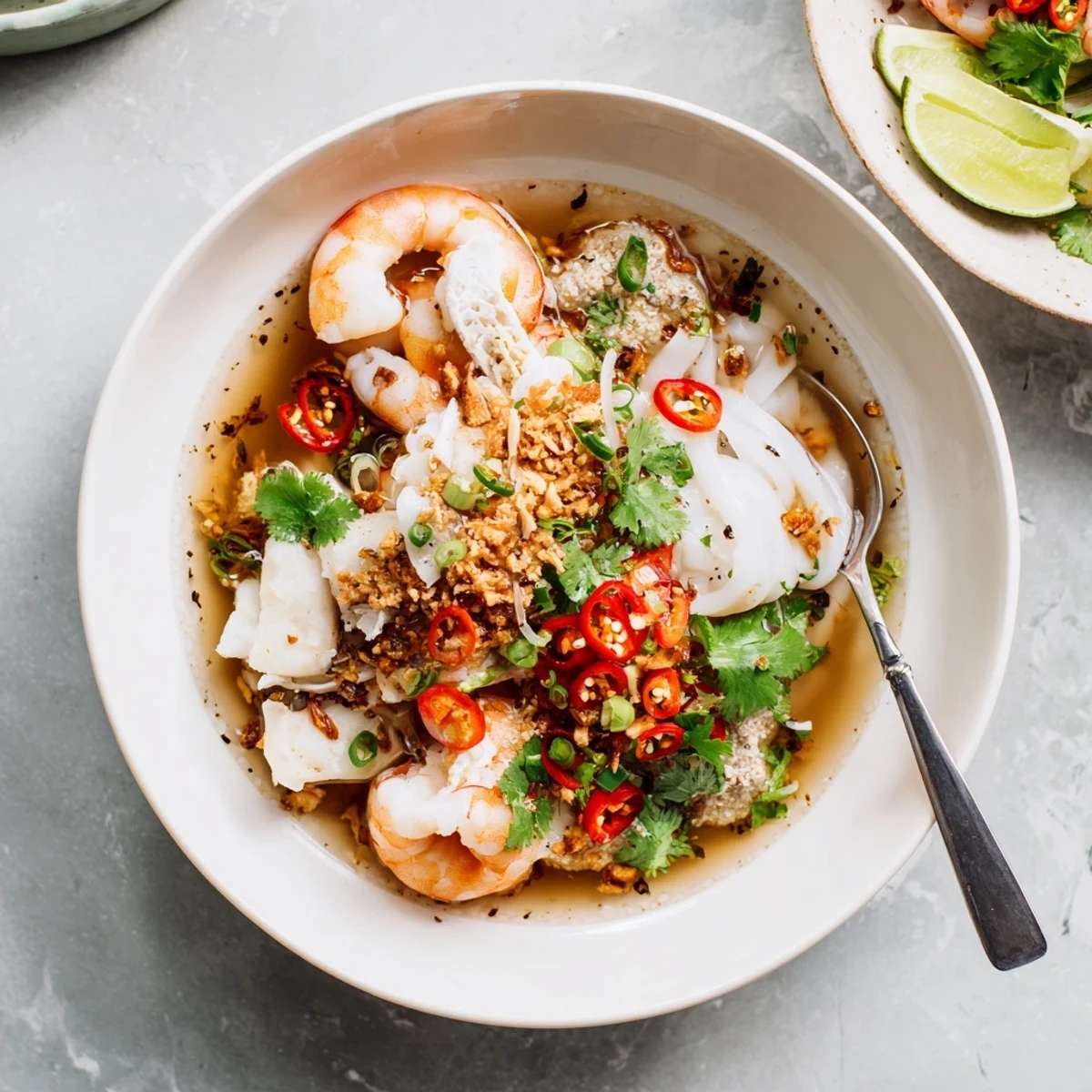
 There's something about slurping these chewy noodles in that fragrant broth that just makes everything feel right with the world. I hope this recipe becomes your comfort too.
Recipe FAQs
- → What makes banh canh noodles different from other Vietnamese noodles?
-
Banh canh noodles are thick, chewy tapioca noodles that have a distinct slippery texture unlike rice vermicelli or egg noodles. They're made from tapioca starch mixed with rice flour, giving them a translucent appearance and satisfying springiness that holds up beautifully in hot broth.
- → Can I use imitation crab meat for this dish?
-
Absolutely. Imitation crab or surimi works well as a budget-friendly alternative to fresh crab. Many home cooks actually prefer using imitation crab along with fish cakes, as it contributes a pleasant sweetness and familiar texture to the broth while keeping costs manageable.
- → How do I prevent the tapioca noodles from sticking together?
-
After cooking the noodles according to package directions, drain them and give them a quick rinse under cool water. Toss them lightly with a teaspoon of oil to prevent clumping. It's best to cook them just before serving so they don't sit too long and become gummy.
- → What can I substitute for fish sauce?
-
Fish sauce provides essential umami depth to Vietnamese broths. If you need to avoid it, try substituting with soy sauce mixed with a pinch of seaweed or mushroom powder, or use vegetarian fish sauce alternatives. The flavor profile will shift slightly but remain delicious.
- → Is this dish suitable for meal prep?
-
The broth actually develops even better flavors when made ahead and refrigerated overnight. Store broth, seafood, and noodles separately. When ready to serve, reheat the broth and cook fresh noodles—this prevents them from becoming mushy. The assembled bowls should be enjoyed immediately for the best texture.
- → How spicy should this dish be?
-
Traditional Banh Canh Cua is not inherently spicy, relying instead on the natural sweetness of crab and aromatic broth base. Fresh chili slices are served on the side, allowing diners to customize heat levels. Adjust garnish portions to suit your spice preference from mild to fiery.