
 Pin It
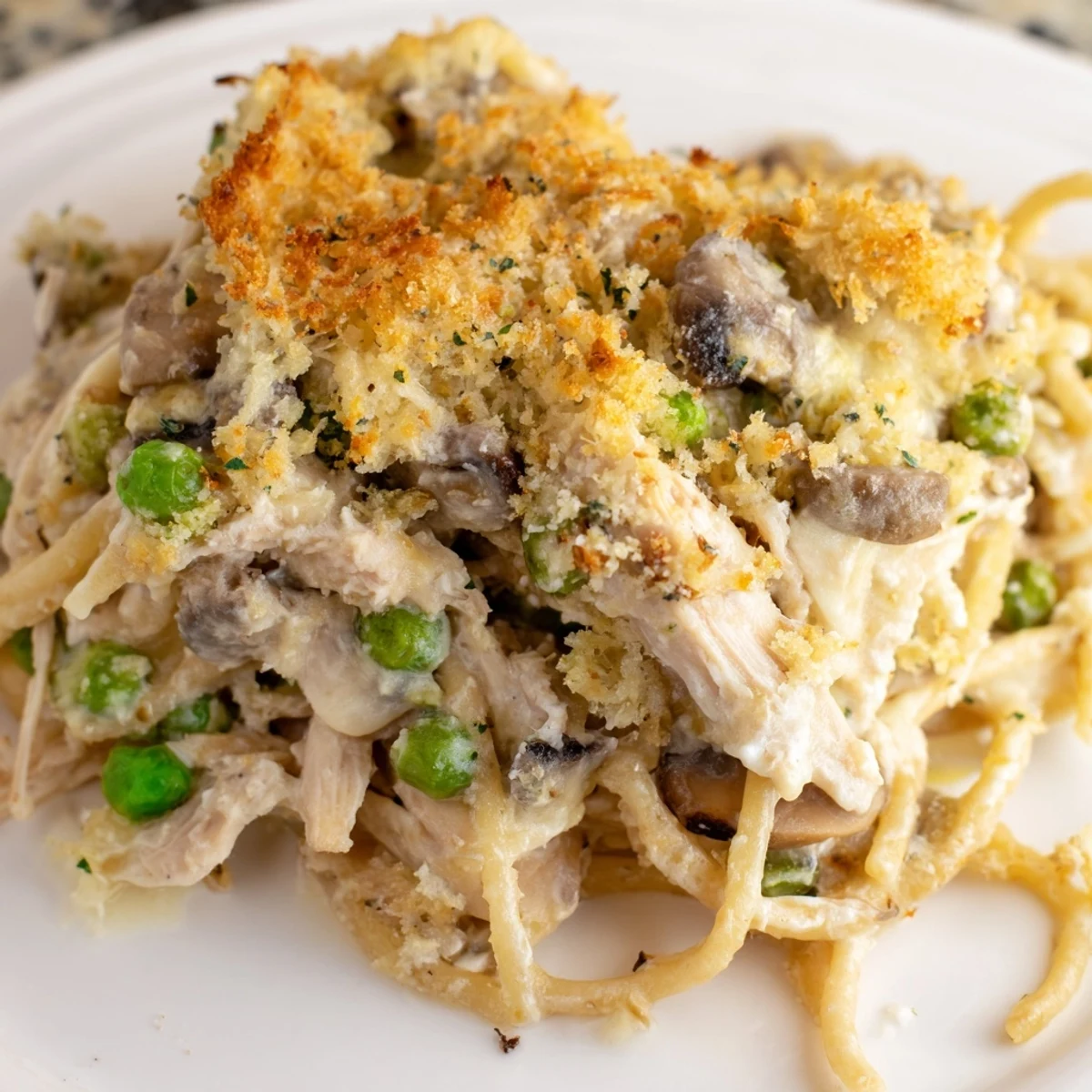
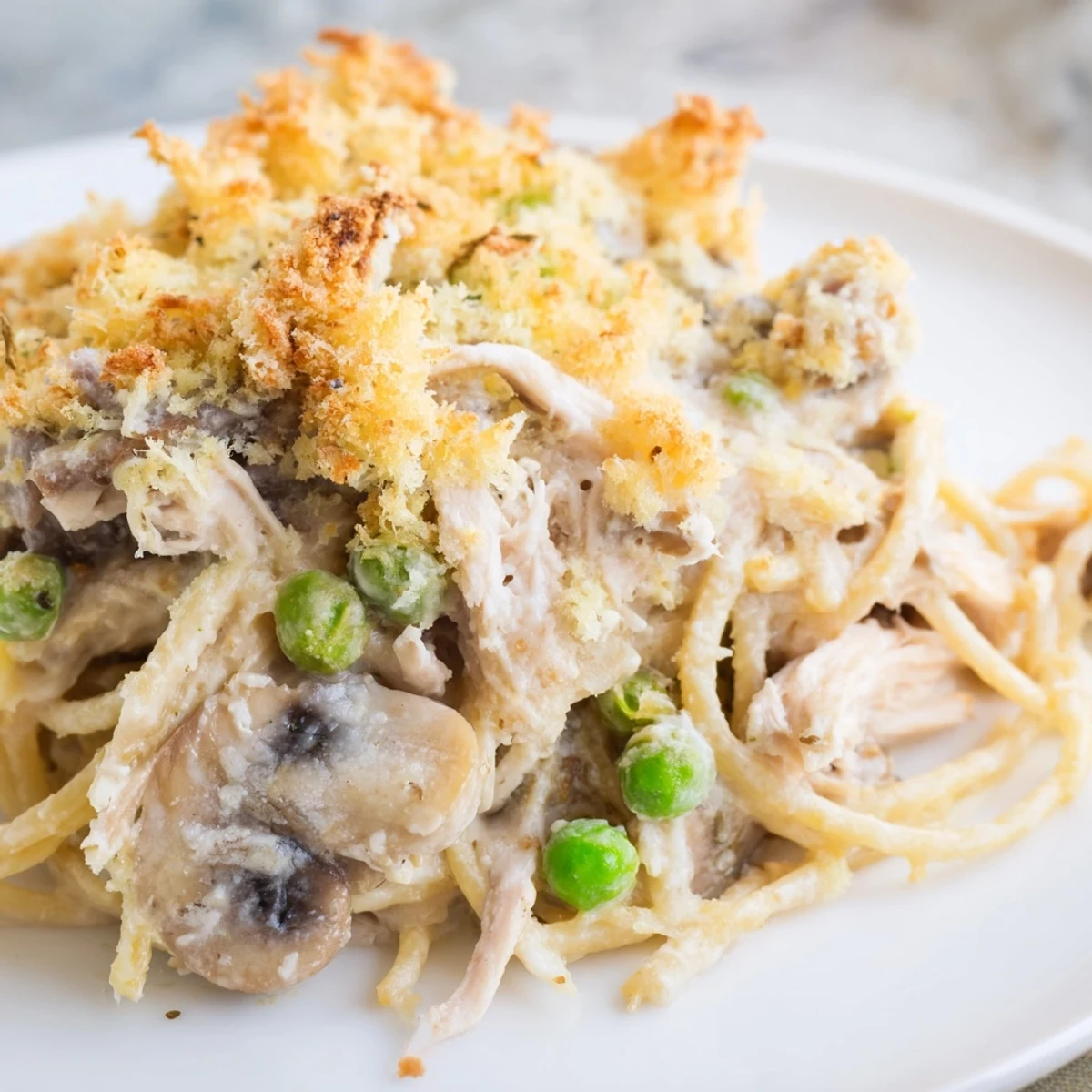
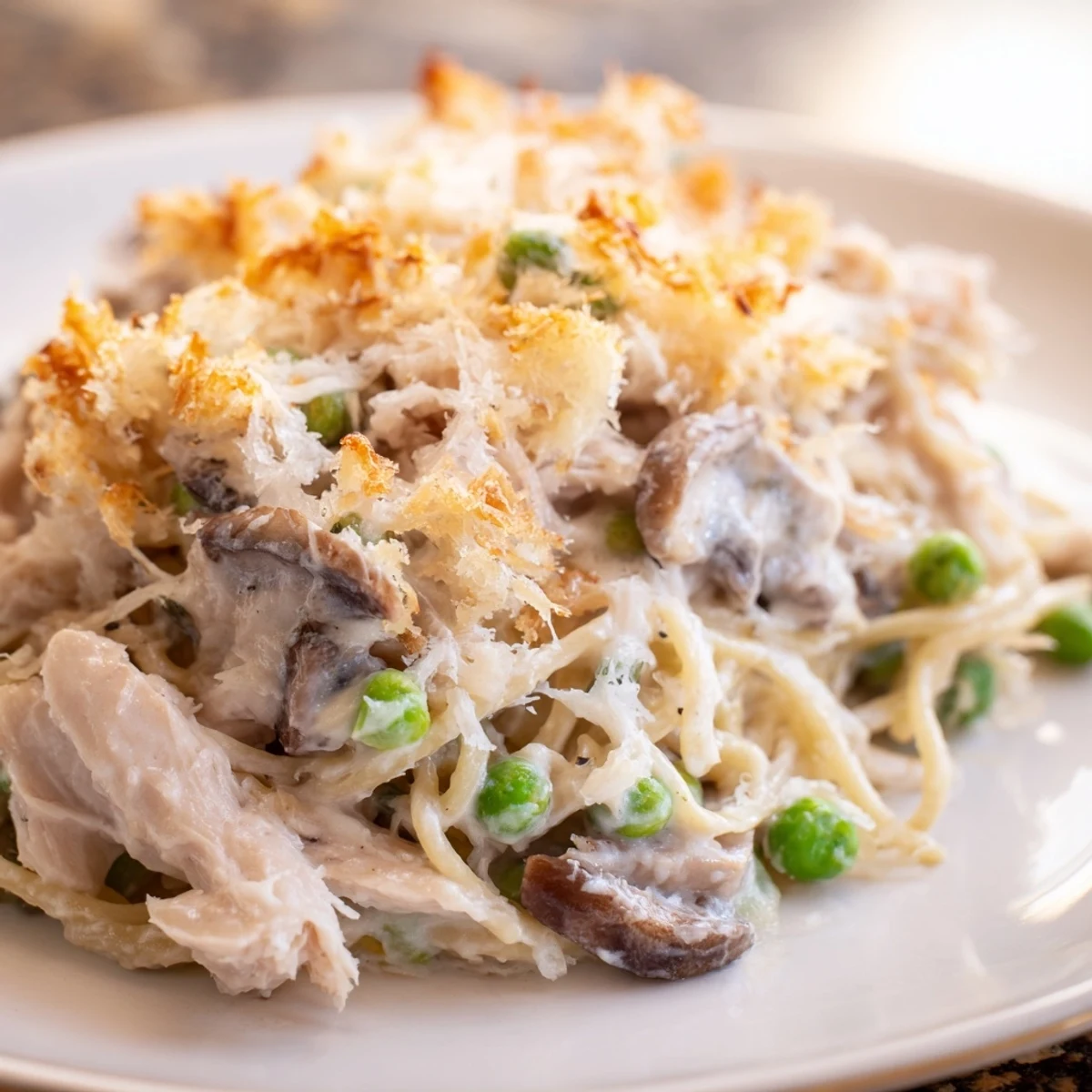
 This creamy pasta dish combines tender turkey, earthy mushrooms, and sweet peas with a rich sauce made from butter, cream, and cheese. Cooked pasta is mixed with the flavorful filling, topped with a crunchy breadcrumb and Parmesan layer, then baked to golden perfection. A comforting meal ideal for using leftover turkey and perfect for family dinners.
There's something about the smell of butter and mushrooms hitting the pan that instantly transports me back to a Thursday night when my mom asked me to use up the last of the Thanksgiving turkey. I'd never made tetrazzini before, but watching that golden sauce come together felt less like following orders and more like discovering a secret. One bite and I understood why this dish has endured for generations—it transforms humble leftovers into something people actually crave.
I made this for a potluck in November and watched three people ask for the recipe before dessert was even served. There was something about the way it bubbled in the oven, filling the whole kitchen with that rich, savory aroma, that made everyone gather around the dish like moths to a flame. That's when I realized tetrazzini isn't just comfort food—it's a conversation starter.
Ingredients
- Spaghetti or linguine (340 g / 12 oz): Cook it slightly under al dente because it'll continue softening in the oven—this keeps your pasta tender, not mushy, which is the difference between a good bake and a great one.
- Unsalted butter (4 tbsp): This is your sauce foundation, so don't skip it or swap it for oil; the flavor profile changes entirely.
- Yellow onion (1 medium, finely chopped): Finely chopped onion disappears into the sauce rather than creating chunks, giving you smooth, even flavor throughout.
- Garlic (3 cloves, minced): Mince it fine to avoid sharp bites; the creaminess of the sauce will mellow it perfectly if you give it time.
- Cremini or white mushrooms (250 g / 9 oz, sliced): Cremini has deeper flavor than white mushrooms and won't fall apart during cooking—slice them thick enough to hold their shape through the whole process.
- All-purpose flour (4 tbsp): This creates your roux, which thickens the sauce naturally without relying on cream alone, giving it body and richness.
- Whole milk (720 ml / 3 cups): Whole milk strikes the balance between richness and manageability; skim milk won't coat your mouth the same way, and cream-only would be overwhelming.
- Chicken or turkey broth (120 ml / 1/2 cup): This keeps the sauce from becoming too heavy while adding savory depth that pure cream can't deliver.
- Heavy cream (120 ml / 1/2 cup): The cream is what gives you that silky, luxurious texture that makes people pause mid-bite.
- Kosher salt, black pepper, ground nutmeg: Nutmeg might seem odd, but it's the secret that makes people ask what's different about your sauce—use it sparingly.
- Cooked turkey (400 g / 3 cups, shredded or diced): Leftover roasted turkey works beautifully; rotisserie chicken is an equally good substitute if you don't have turkey.
- Frozen peas (180 g / 1 cup, thawed): Thaw them first rather than adding frozen to avoid cold spots in your dish; they'll keep their sweet flavor this way.
- Parmesan cheese (70 g / 3/4 cup, grated): Freshly grated makes a difference—pre-shredded contains anti-caking agents that can create grainy sauce.
- Shredded mozzarella cheese (120 g / 1 cup): Mozzarella melts smoothly and stretches beautifully; it's the reason you get those creamy pockets in every forkful.
- Fresh parsley (2 tbsp, chopped): The fresh parsley added to the sauce is different from the garnish—it brightens the creamy filling.
- Panko breadcrumbs (60 g / 1 cup): Panko stays crispier than regular breadcrumbs because of its larger flakes; this is why your topping won't go soggy.
- Melted butter for topping (2 tbsp): This keeps the panko golden rather than pale or greasy.
- Parmesan for topping (2 tbsp, grated): The cheese on top browns beautifully and gives you that restaurant-quality finish.
Instructions
- Prep and preheat:
- Set your oven to 190°C (375°F) and grease your baking dish generously so nothing sticks. Having everything prepped before you start cooking means you won't be scrambling midway through.
- Cook the pasta:
- Boil your pasta in generously salted water until it's just shy of al dente—it should still have a slight firmness when you bite it. Drain it well and set aside; excess water will dilute your sauce.
- Build the flavor base:
- Melt butter in a large skillet over medium heat, then add your chopped onion and let it soften for about 3 minutes until it starts turning translucent. You're not looking for color yet, just tenderness and sweetness.
- Sauté the mushrooms:
- Add your minced garlic and sliced mushrooms to the pan and cook for 6–8 minutes, stirring occasionally, until the mushrooms turn golden and any liquid they've released has evaporated. This is when your kitchen will smell absolutely incredible, and you'll know the flavor is concentrating.
- Make the roux:
- Sprinkle your flour over the vegetables and stir constantly for 1–2 minutes, coating everything evenly. This cooked flour becomes your thickening agent and loses its raw taste, which is essential.
- Create the sauce:
- Slowly pour in your milk while whisking constantly, then add the broth and cream, stirring as you go to prevent lumps from forming. Bring everything to a gentle simmer, stirring frequently, and let it thicken for about 5 minutes—you should see it coat the back of a spoon.
- Season to perfection:
- Taste as you go and season with salt, pepper, and a small pinch of nutmeg that's barely detectable but transforms the whole sauce. The nutmeg should be a whisper, not a shout.
- Combine the filling:
- Remove from heat and stir in your cooked turkey, peas, Parmesan, mozzarella, fresh parsley, and cooked pasta, folding gently until everything is evenly distributed and coated in sauce. This is your moment to check the seasoning one more time before it goes into the dish.
- Transfer to the baking dish:
- Pour the entire mixture into your prepared dish, spreading it evenly so the top layer has consistent thickness. This ensures even cooking throughout.
- Make the panko topping:
- In a small bowl, mix your panko breadcrumbs with melted butter and grated Parmesan until it looks like wet sand with little clusters. These clusters will turn gloriously golden and crispy in the oven.
- Top and bake:
- Sprinkle your panko mixture evenly over the casserole and bake uncovered for 25–30 minutes until the topping is deep golden and the filling bubbles around the edges. You'll see small bubbles breaking through at the sides, which is exactly what you want.
- Rest before serving:
- Let the dish sit for 10 minutes after removing it from the oven; this lets everything set slightly so it holds together when you spoon it out. A final sprinkle of fresh parsley on top brings brightness to all that richness.
 Pin It
 There was a moment when my eight-year-old cousin, who usually picks at casseroles, went back for seconds and asked when I was making this again. That's when tetrazzini stopped being just another recipe and became the thing I make when I want someone to feel genuinely cared for. Food that quiet joy around the table—that's worth the effort.
Variations and Swaps
I've made this with rotisserie chicken on nights when I didn't have leftover turkey, and honestly, it's just as delicious and requires zero advance planning. You can also stir in a splash of dry sherry or white wine to the cream sauce if you want an extra layer of complexity—add it right after the roux forms and let it simmer off for a minute. Some people love adding fresh thyme or a pinch of tarragon to the sauce, which pairs beautifully with both the mushrooms and the cheese.
Taking It to the Next Level
If you want a crispier topping, broil the casserole for 2–3 minutes at the end of baking, watching it carefully so the panko doesn't burn. For a gluten-free version, swap in gluten-free pasta and gluten-free flour in equal amounts—the results are just as creamy and satisfying. You can also layer in extra flavor by using a mix of Parmesan and Gruyère, or adding a handful of shredded sharp cheddar to the sauce for deeper savory notes.
Storage and Make-Ahead
Tetrazzini is wonderful because you can assemble it completely, cover it tightly, and refrigerate it for up to 24 hours before baking, which makes it perfect for entertaining or busy days. Bake it straight from the cold fridge, just add 5–10 minutes to the cooking time since it starts cold. Leftovers keep beautifully for three days and reheat gently in a low oven covered with foil—honestly, many people say the leftovers taste even better as the flavors meld.
- Freeze assembled, unbaked casseroles for up to three months and bake from frozen, adding 15–20 minutes to the time.
- If reheating a baked portion, cover it loosely with foil and warm in a 160°C oven until heated through to prevent the topping from darkening.
- Leftover sauce on its own is incredible over toast, roasted vegetables, or even simple chicken breasts.
 Pin It
 Every time I make tetrazzini, I'm grateful for the kind of recipe that turns whatever's in your fridge into something memorable. It's comfort in a baking dish, the sort of meal that says I was thinking of you.
Recipe FAQs
- → Can I use chicken instead of turkey?
-
Yes, rotisserie chicken can be substituted for turkey for a similar texture and flavor.
- → What type of pasta works best for this dish?
-
Spaghetti or linguine are recommended, cooked just until al dente to maintain structure after baking.
- → How can I make the topping crispier?
-
Broil the casserole for 2–3 minutes at the end of baking to achieve a crispier golden crust.
- → Is there a gluten-free option?
-
Use gluten-free pasta and substitute all-purpose flour with a gluten-free alternative to make this suitable for gluten-free diets.
- → Can I add extra flavor to the sauce?
-
Adding a splash of dry sherry or white wine to the sauce enhances the depth of flavor.