
 Pin It
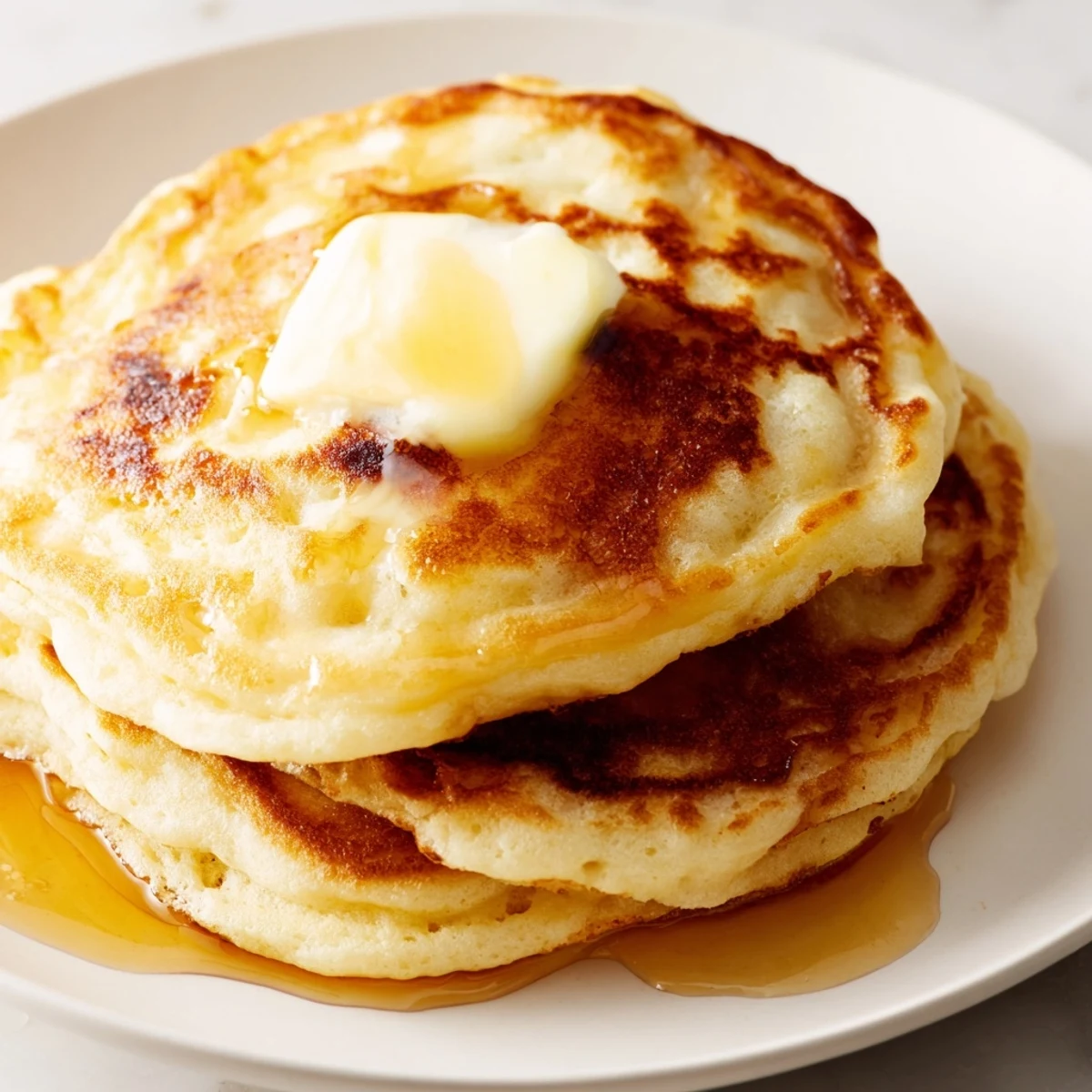
 This dish transforms leftover sourdough starter into fluffy, tangy pancakes perfect for breakfast. Combining wet ingredients like sourdough discard, milk, eggs, and melted butter with dry components including flour, sugar, baking powder, and soda creates a smooth batter. Cooking on a greased skillet until golden yields tender pancakes full of flavor. Serve warm with syrup or fruit for a delightful start to your day.
My kitchen counter was crowded with three different sourdough starters, each bubbling away in their glass jars. Every feeding day, I would stand there feeling guilty about all that perfectly good starter going into the compost. Then one Sunday morning, instead of my usual pancake recipe, I decided to see what would happen if I swapped in some of that tangy discard.
The first batch taught me something about patience. I had overmixed the batter, trying to get every single lump to disappear, and ended up with tough, rubbery pancakes. The next time, I stopped folding the moment the flour streaks vanished, and suddenly I understood what people meant by restaurant fluffy.
Ingredients
- Sourdough discard: Use unfed starter at 100 hydration, and do not worry about how old it is
- Whole milk: Creates the most tender crumb, though any milk you have will work fine
- Large eggs: Room temperature eggs incorporate more easily into the batter
- Unsalted butter: Melt it completely and let it cool slightly so it does not scramble your eggs
- Vanilla extract: Pure vanilla makes a noticeable difference in the final flavor
- All purpose flour: Provides structure without making the pancakes too dense
- Granulated sugar: Just enough to balance the tang without making them dessert sweet
- Baking powder and baking soda: This double acting combo gives you that impressive rise
- Fine salt: Enhances all the other flavors and keeps the pancakes from tasting flat
Instructions
- Whisk your wet ingredients:
- Combine the sourdough discard, milk, eggs, melted butter, and vanilla in a large bowl until everything is completely smooth and incorporated
- Mix the dry ingredients separately:
- In another bowl, whisk together the flour, sugar, baking powder, baking soda, and salt until they are evenly distributed
- Combine with a light hand:
- Pour the dry ingredients into the wet mixture and fold gently until just combined, leaving some small lumps untouched
- Heat your cooking surface:
- Warm a nonstick skillet or griddle over medium heat until a drop of water sizzles across the surface
- Cook until bubbles appear:
- Pour one quarter cup of batter per pancake and wait until bubbles form on the surface and edges look set
- Flip once and finish:
- Carefully flip each pancake and cook for one to two more minutes until golden brown on both sides
 Pin It
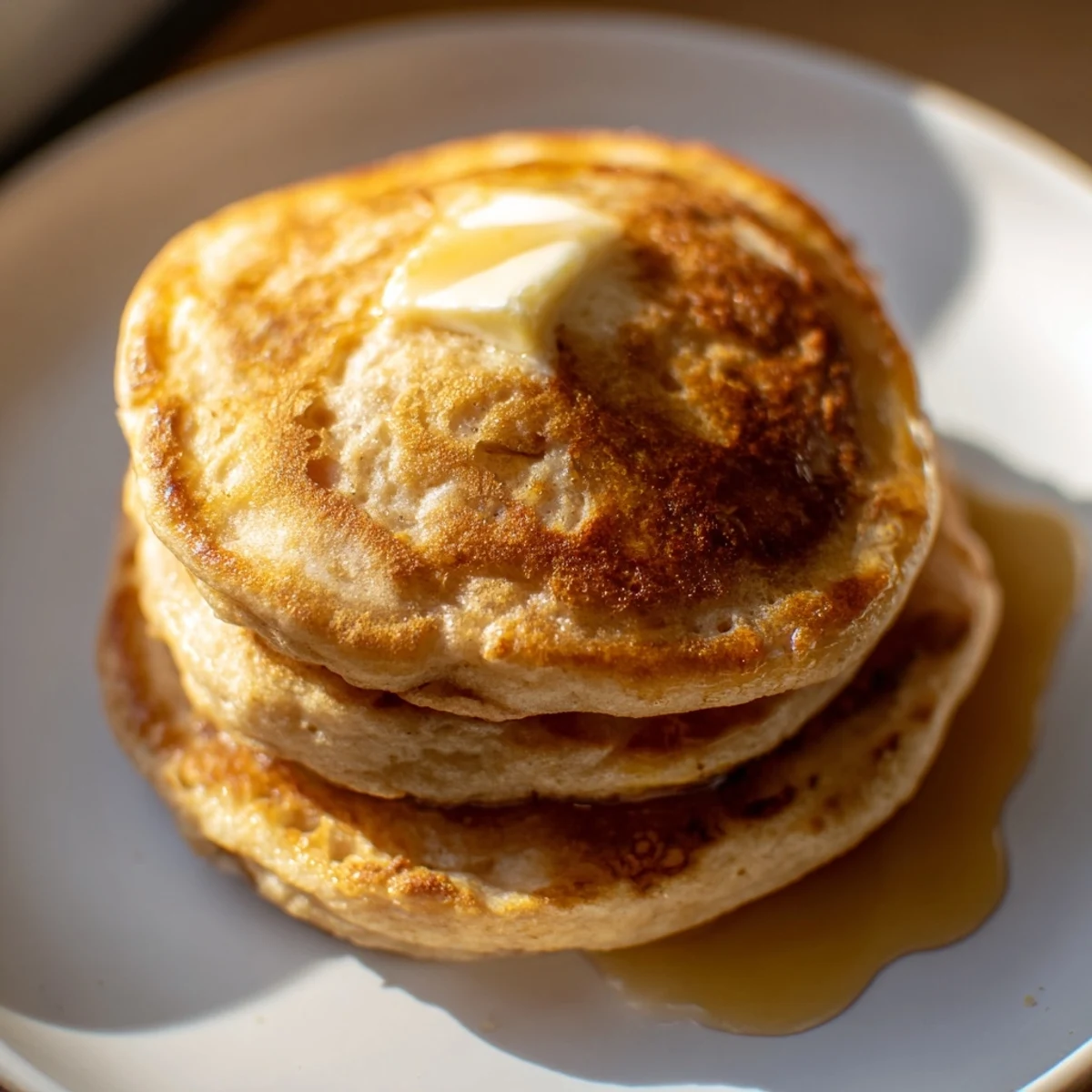
 My teenagers started requesting these specifically when friends slept over, proud to explain how they were made from the weird jar stuff on the counter. Something about serving a breakfast that used to be waste made the whole morning feel a little more satisfying.
Getting The Perfect Flip
Watch for bubbles that form and stay open rather than immediately closing back up. That is when the edges will have set enough to slide your spatula underneath without tearing the pancake apart.
Making Them Your Own
The batter handles mix ins beautifully. Fold in blueberries, chocolate chips, or chopped nuts right at the end, or sprinkle cinnamon and a bit of brown sugar for a breakfast that feels like dessert.
Storage And Reheating
Cool leftover pancakes completely on a wire rack before stacking them, otherwise they will steam each other and get soggy. Once cooled, they freeze exceptionally well.
- Layer pancakes between parchment paper in a freezer bag
- Reheat frozen pancakes directly in a toaster for five minutes
- Microwave for thirty seconds if you prefer softer pancakes
 Pin It
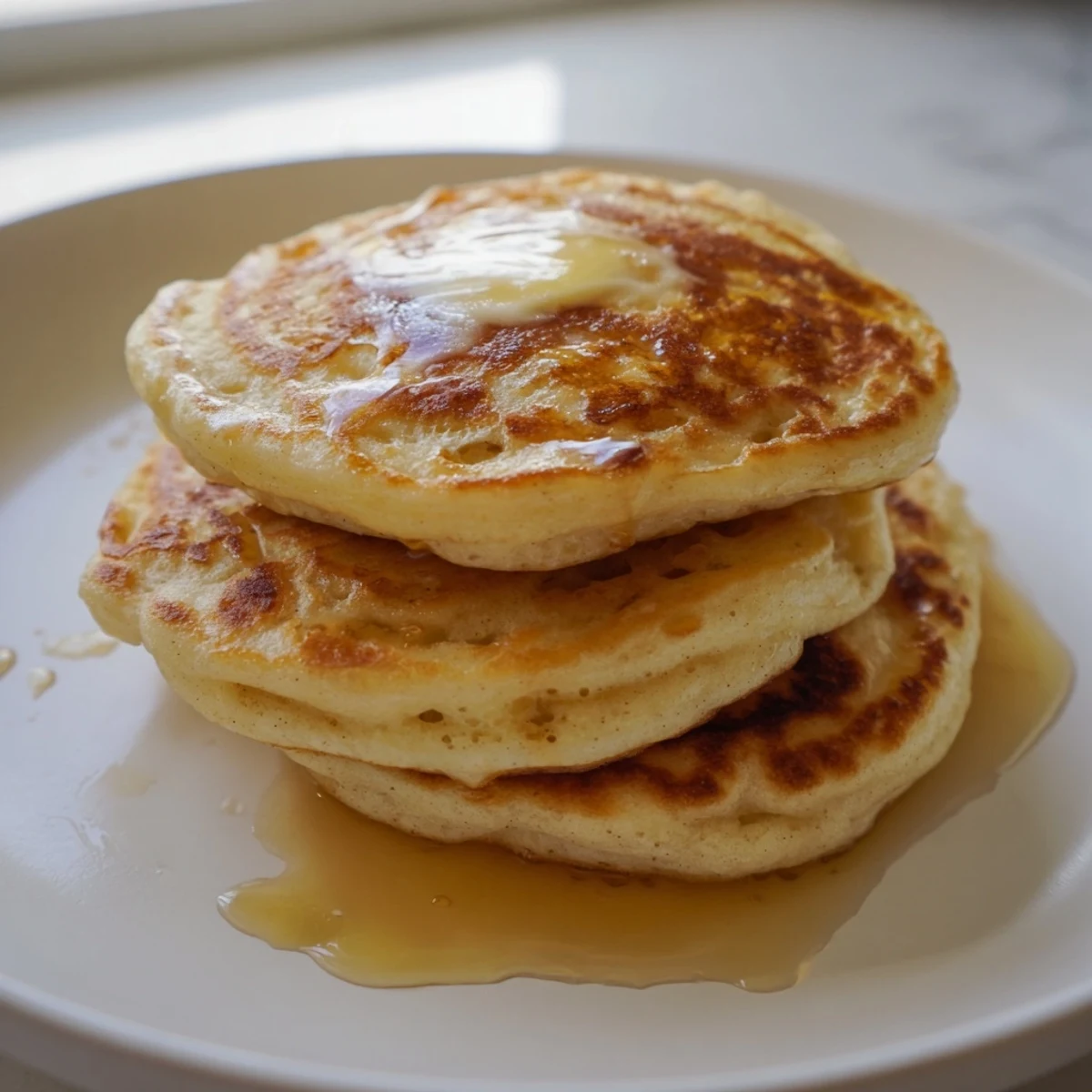
 There is something deeply satisfying about turning what would have been compost into a breakfast that makes people pause and ask for seconds.
Recipe FAQs
- → What is sourdough discard used for in this preparation?
-
Sourdough discard adds a subtle tang and natural leavening, contributing to the fluffy texture and distinctive flavor of the pancakes.
- → Can I substitute whole milk for a dairy-free option?
-
Yes, plant-based milks like almond or oat milk can replace whole milk without compromising the batter’s consistency.
- → How do I know when the pancakes are cooked properly?
-
Cook until bubbles appear on the surface and edges look set, then flip to brown the other side for 1–2 minutes.
- → Is it necessary to let the batter rest before cooking?
-
Resting isn't required; folding ingredients gently and cooking immediately helps maintain a tender texture.
- → Can I add extra flavor or mix-ins to the batter?
-
Absolutely, additions like cinnamon or fresh blueberries enhance flavor and texture nicely.
- → What tools are recommended for preparing these pancakes?
-
Use mixing bowls, a whisk, a nonstick skillet or griddle, spatula, and measuring tools for best results.