
 Pin It
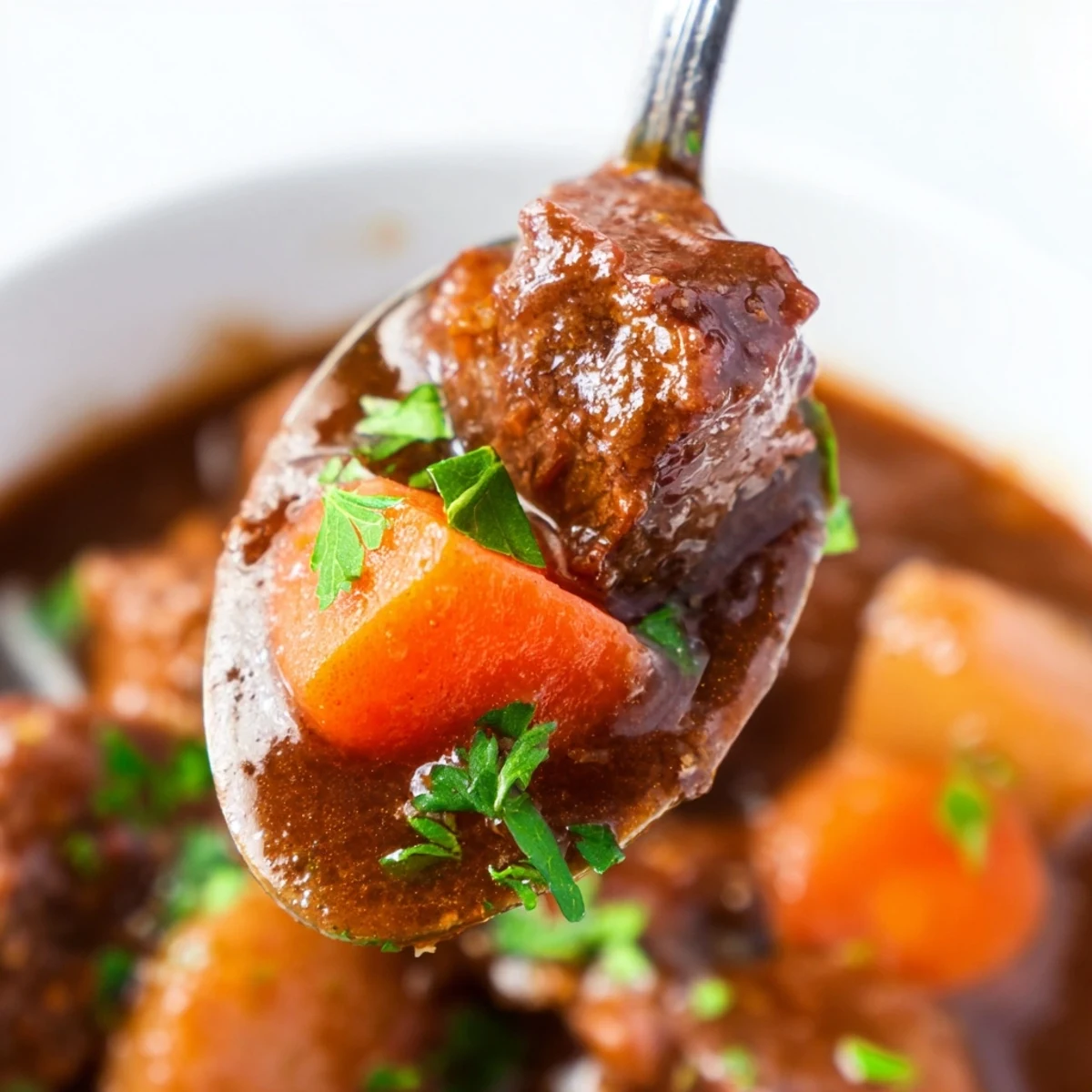
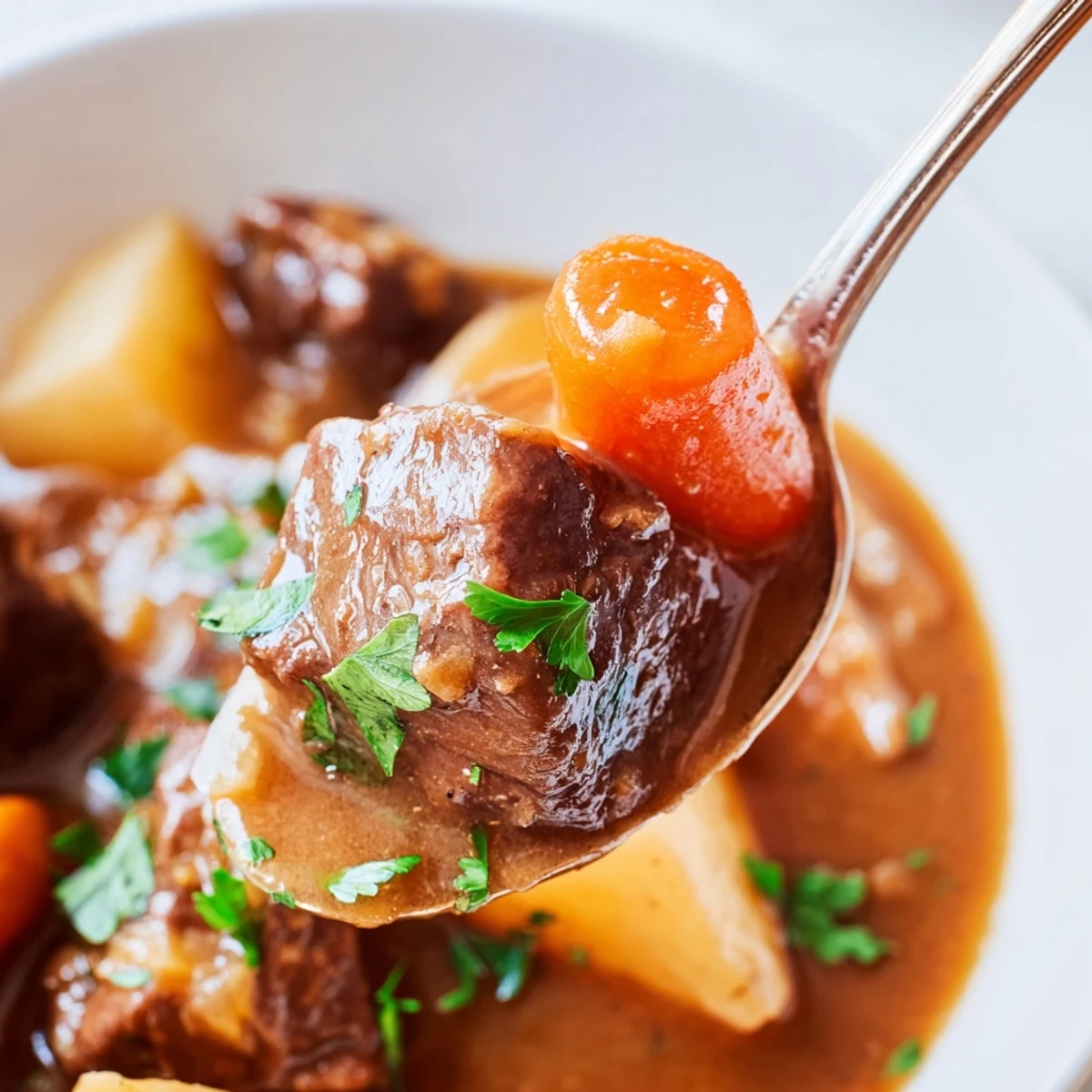
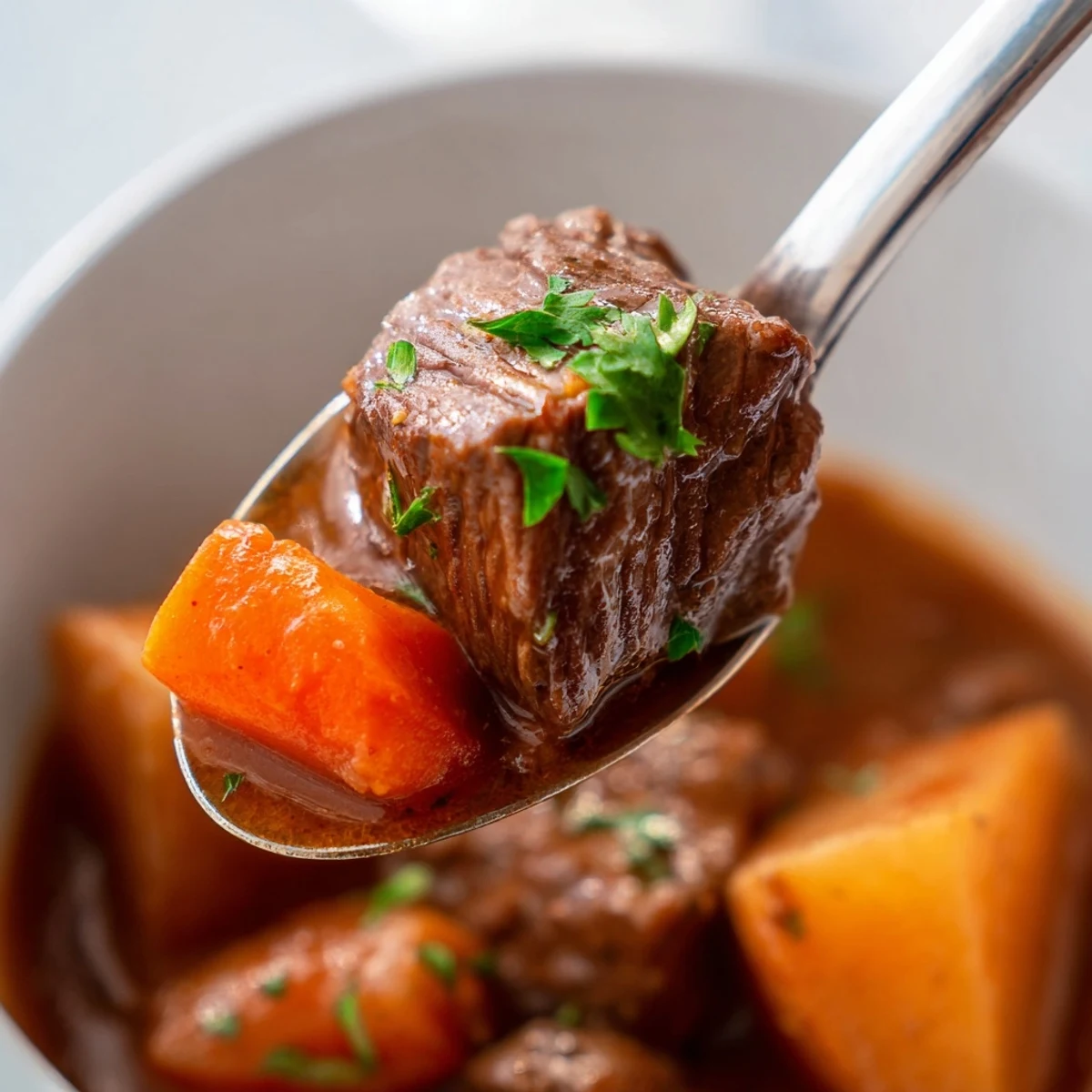
 This classic slow cooker beef stew combines succulent chuck roast with sweet carrots, creamy potatoes, and aromatic vegetables in a rich, savory broth. Brown the beef first for deeper flavor, then let your slow cooker do the work for 7-8 hours on low heat. The result is melt-in-your-mouth beef and perfectly tender vegetables in a beautifully thickened sauce. With minimal prep work and simple pantry ingredients, this dish delivers restaurant-quality comfort in every spoonful.
The aroma of slow cooker beef stew always transports me to my grandfather's kitchen on cold winter Sundays. He'd start it after church, the ingredients simmering away while we played board games by the fireplace. The house would gradually fill with that unmistakable savory scent that seemed to warm you from the inside even before taking your first bite.
Last autumn, during a power outage that lasted nearly two days, my trusty slow cooker saved dinner when we hooked it to our small generator. Neighbors wandered over, drawn by the smell, and we ended up having an impromptu block party by candlelight, serving steaming bowls of this stew as darkness fell. The comfort it brought during that uncertain time solidified its place in my regular rotation.
Ingredients
- Beef chuck: Look for well-marbled pieces as the fat renders down during cooking, creating incredible richness and preventing the meat from drying out.
- Russet potatoes: I tried fancy potatoes once but honestly, basic russets hold their shape perfectly while absorbing all those beautiful flavors.
- Red wine: Even just a half cup transforms the broth, adding depth that cant be achieved any other way, but skip it if youre cooking for non-drinkers.
- Dried herbs: Fresh herbs disappear in the long cooking process, so dried thyme and rosemary actually work better here, slowly releasing their oils over hours.
Instructions
- Brown the beef properly:
- Dont rush this step, as those caramelized bits are pure flavor gold. Work in small batches so the meat browns rather than steams in the pan.
- Layer strategically:
- Place heartier vegetables like potatoes and carrots at the bottom where theyll cook in the flavorful juices. The beef goes on top where it can slowly tenderize in the steam.
- Build your broth base:
- Whisk those liquid ingredients thoroughly before adding to ensure the tomato paste fully incorporates. This creates a consistently rich sauce without any acidic tomato pockets.
- Let it work its magic:
- Resist the urge to peek during the first 4 hours as each time you lift that lid, youre adding 20 minutes to the cooking time. The patience pays off, I promise.
- Perfect the consistency:
- That cornstarch slurry should be added while the stew is bubbling hot. Stir it in gradually, allowing a minute between additions to reach your ideal thickness.
 Pin It
 My daughter never liked beef stew until she helped me make this version when she was seven. Something about measuring the Worcestershire sauce and arranging the vegetables in the pot made her invested in the outcome. Now at fourteen, she requests it for her birthday dinner every year, standing beside me as we prepare it together, our hands working in comfortable rhythm.
Make-Ahead Magic
One brilliant discovery was preparing all the ingredients the night before and refrigerating them separately. The chopped vegetables in one container, seasoned meat in another, and liquid mixture in a jar. Morning assembly takes just minutes, and the extra marinating time for the beef makes it exceptionally tender.
Serving Suggestions
While perfectly satisfying on its own, this stew reaches new heights with crusty sourdough bread for sopping up the gravy. Ive served it in hollowed-out bread bowls for special occasions, and the way the bread absorbs the rich broth converts even the pickiest eaters into fans.
Variations Worth Trying
Through countless iterations, Ive discovered this recipe welcomes creative tweaking without losing its soul. A handful of frozen peas stirred in during the last five minutes brings bright color and sweetness that balances the richness beautifully.
- For a smoky twist, add a tablespoon of smoked paprika with the other dried herbs.
- Root vegetable lovers can substitute half the potatoes with parsnips, turnips, or sweet potatoes for interesting texture contrast.
- When cooking for beer enthusiasts, replace the wine with a dark stout for a deeper, maltier undertone.
 Pin It
 This stew has seen us through snowstorms, sick days, and celebrations. It reminds us that good things come to those who wait, a lesson as valuable in the kitchen as in life.
Recipe FAQs
- → Can I cook this on high heat instead of low?
-
Yes, you can cook on HIGH for 4-5 hours instead of LOW for 7-8 hours. However, cooking on low heat produces more tender beef and better flavor development. The longer cooking time breaks down the connective tissues in the chuck roast more gently.
- → Why is browning the beef important?
-
Browning the beef develops a rich, caramelized crust that adds depth and complexity to the final dish through a process called the Maillard reaction. This step takes 10 minutes but significantly enhances the overall flavor profile of your stew.
- → Can I use a different cut of beef?
-
Chuck roast is ideal because its marbling and connective tissue break down beautifully during long cooking. You could use beef brisket, short ribs, or beef stew meat, but avoid lean cuts like sirloin that can become dry.
- → How do I thicken the stew if it's too watery?
-
Mix cornstarch with cold water to create a slurry and stir it into the stew during the last 30 minutes of cooking. Alternatively, you can thicken by simmering uncovered on the stovetop to reduce the liquid, or whisk in a paste of flour and butter.
- → Can I prep ingredients the night before?
-
Absolutely. Chop all vegetables and store in the refrigerator overnight. Brown the beef and store separately. In the morning, layer everything into your slow cooker and start cooking. This makes weeknight preparation even faster.
- → What's the best way to serve this dish?
-
Ladle the stew into bowls and garnish with fresh parsley. Crusty bread, dinner rolls, or mashed potatoes make excellent sides. A simple green salad balances the rich, hearty nature of the stew perfectly.