
 Pin It
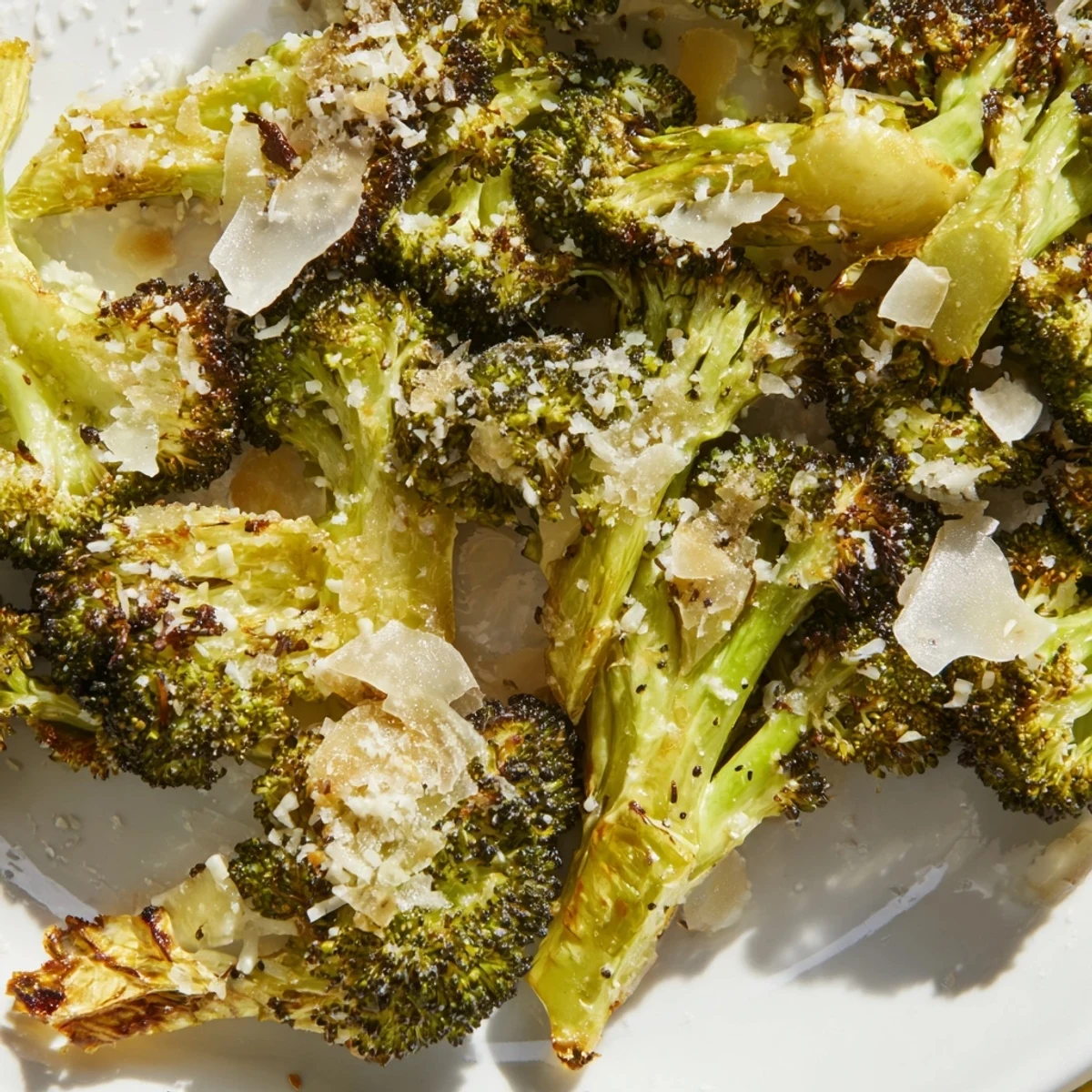
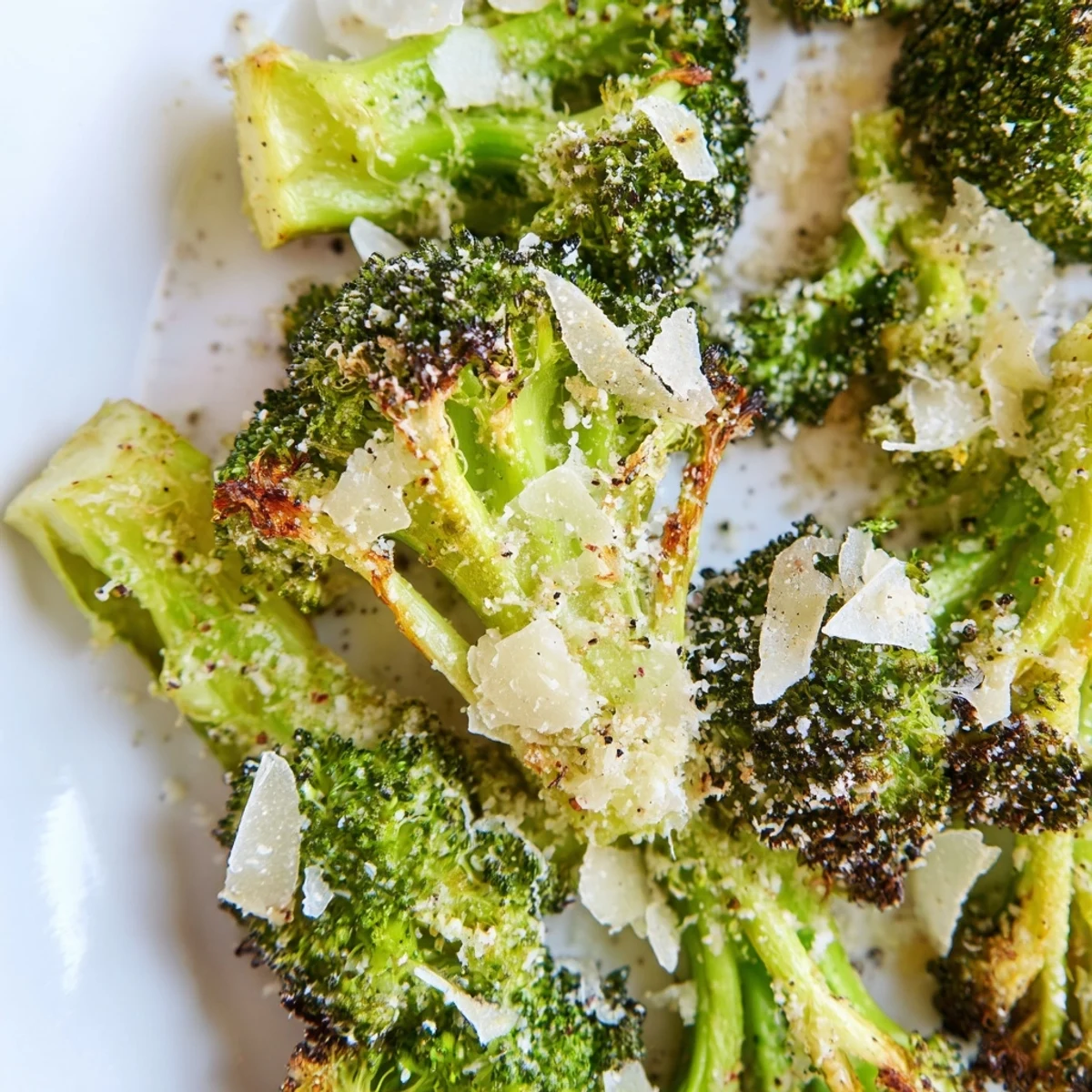
 This dish transforms simple florets into a savory delight. Roasting at high heat ensures crispy edges and tender centers. Sliced garlic infuses the olive oil while roasting, adding aromatic depth without burning. A final sprinkle of Parmesan creates a salty, umami-rich crust that pairs perfectly with the natural charred sweetness of the broccoli.
There's a moment every winter when I stop buying those sad, pre-cut broccoli florets from the grocery store and start roasting whole heads at home. It happened during a dinner I was throwing together for friends on a Tuesday night—nothing fancy, just roast chicken and whatever vegetables felt right. The kitchen filled with this golden, nutty smell as the broccoli edges crisped up, and someone asked if I'd done something special. I hadn't, really. Just olive oil, garlic, heat, and time.
My neighbor knocked on my door one evening asking what smelled so good, and I realized this was the first time someone had noticed the smell of vegetables cooking. She came over, we sat at the counter, and we ate most of the broccoli straight off the pan before dinner was even ready. It became the thing she always requested when she'd pop by, which made me understand that simple food cooked with attention can become someone's comfort.
Ingredients
- Broccoli florets: Look for a head with tight, deeply colored clusters and no yellowing—that's where the flavor lives, and cutting it yourself means you get stems you can roast too.
- Garlic: Sliced thin so it crisps up and sweetens rather than burns, becoming almost candy-like by the time it comes out of the oven.
- Olive oil: This is where you taste the difference between cheap and decent oil, so use something you'd actually pour on bread.
- Sea salt and black pepper: Freshly ground pepper matters here because you'll taste each grain; don't skip that step.
- Parmesan cheese: Grate it yourself if you have time—the pre-grated stuff has anti-caking agents that make it less likely to melt into those crispy edges.
- Lemon: The juice and zest aren't required, but they're the difference between good and bright.
Instructions
- Heat your oven and prep your pan:
- Get your oven to 425°F with a baking sheet inside so it's already hot when the broccoli arrives. Parchment paper keeps everything from sticking, but honestly, a well-oiled sheet works fine too.
- Coat the broccoli:
- Toss the florets in a bowl with olive oil, sliced garlic, salt, and pepper until every piece glistens. This is where your hands are useful—get in there and make sure nothing's hiding in dry oil.
- Spread and roast:
- Lay everything out in one layer on your hot pan, giving each floret breathing room so it can actually crisp instead of steam. After about 10 minutes, flip it all over so the other side gets its turn.
- Watch for the color:
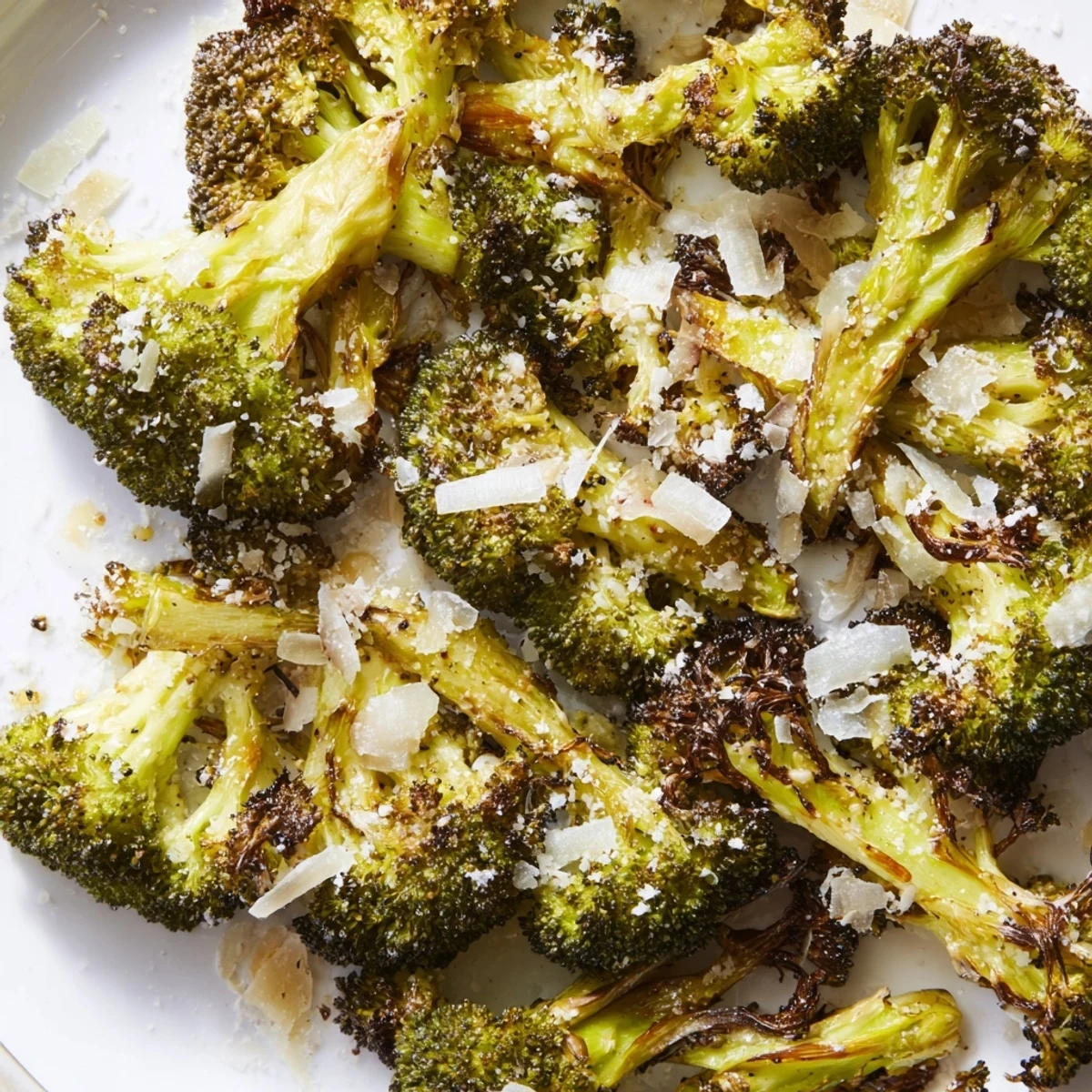
- You want the edges to be golden and charred, the stems soft when you pierce them with a fork, and the garlic smelling like it's had a minor miracle. This usually happens around 18–20 minutes total.
- Finish while hot:
- The moment it comes out, shower it with Parmesan so it melts slightly into the crevices, then squeeze lemon over it if you're using it. A final toss brings everything together.
- Serve immediately:
- This is best eaten while the broccoli is still warm and has some structural integrity, not when it's been sitting around getting soft.
 Pin It
 There was the night I made this for my daughter's school potluck, and it came back completely empty except for a note that said 'Recipe please?' from another parent. I've made it a hundred times since, and it's never once felt repetitive because I'm always noticing something new—how the smell changes depending on the season, which farmers market garlic roasts better, why some batches feel crispier than others.
The Alchemy of Heat and Time
Roasting is honestly one of the kindest cooking methods because it does most of the work for you once you've set things up. The dry heat from the oven brings out sweetness that steaming never touches, and the broccoli gets this nutty flavor that has nothing to do with the actual nut content. It's the Maillard reaction doing its quiet, invisible work, turning humble vegetables into something memorable.
Garlic: The Secret That Transforms Everything
I used to think garlic was just garlic until I started paying attention to how it behaves in different applications. Roasted garlic becomes almost unrecognizable—sweet, mild, almost like a vegetable rather than a pungent seasoning. The thin slices crisp up into little golden chips that add texture alongside flavor, which is a detail that makes more difference than it sounds like it should.
Building Flavor Without Complication
This recipe proves that you don't need complicated techniques or a long list of ingredients to make something genuinely delicious. Sometimes the best cooking is about honoring what's already good and getting out of the way.
- If you have access to good Pecorino Romano, it brings a slightly sharper edge that some people prefer over Parmesan.
- Toasted pine nuts add a luxurious crunch, or try panko breadcrumbs fried in a little oil for something similar but less expensive.
- Leftover roasted broccoli is excellent cold the next day, tossed into salads or eaten straight from the fridge as a snack.
 Pin It
 This is the kind of recipe that lives in your regular rotation without anyone having to ask for it. It's straightforward enough that you can make it on a random Thursday, but special enough that guests notice.
Recipe FAQs
- → How do I get crispy edges?
-
Avoid overcrowding the baking sheet. Spreading florets in a single layer allows moisture to escape, ensuring they roast rather than steam.
- → Can I use minced garlic?
-
Sliced garlic is preferred as it caramelizes nicely. Minced garlic burns easily at high temperatures, which can impart a bitter flavor.
- → Is Pecorino Romano a good substitute?
-
Yes, Pecorino Romano is an excellent alternative. It is sharper and saltier than Parmesan, so you may want to use slightly less.
- → Do I need to peel the stalk?
-
Peeling is not strictly necessary, but the outer layer of the stalk can be tough. Removing it reveals a tender, sweet interior that cooks evenly.
- → How should I serve this?
-
It is best served hot alongside roast chicken, grilled fish, or pasta dishes. A squeeze of fresh lemon juice right before serving adds brightness.