
 Pin It
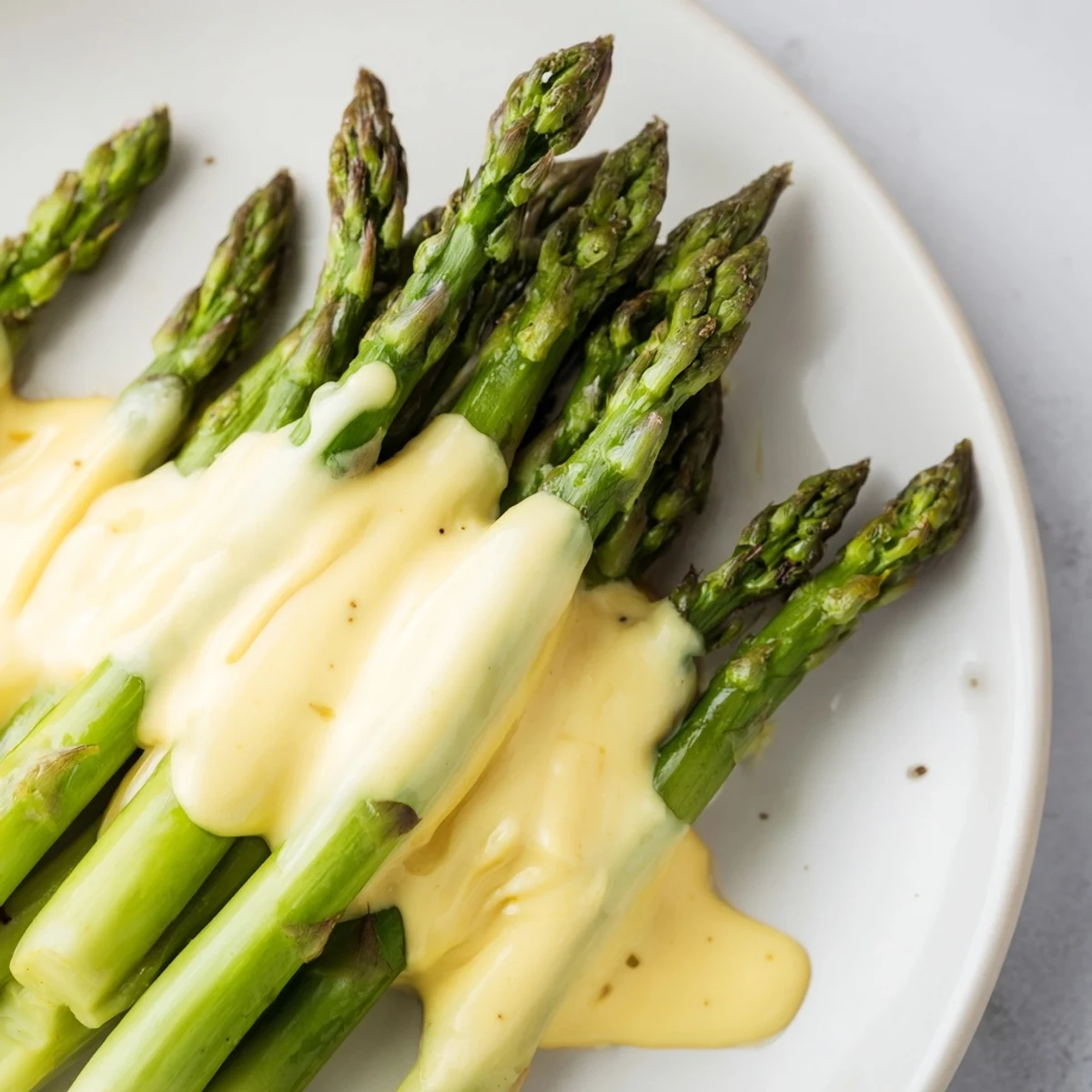
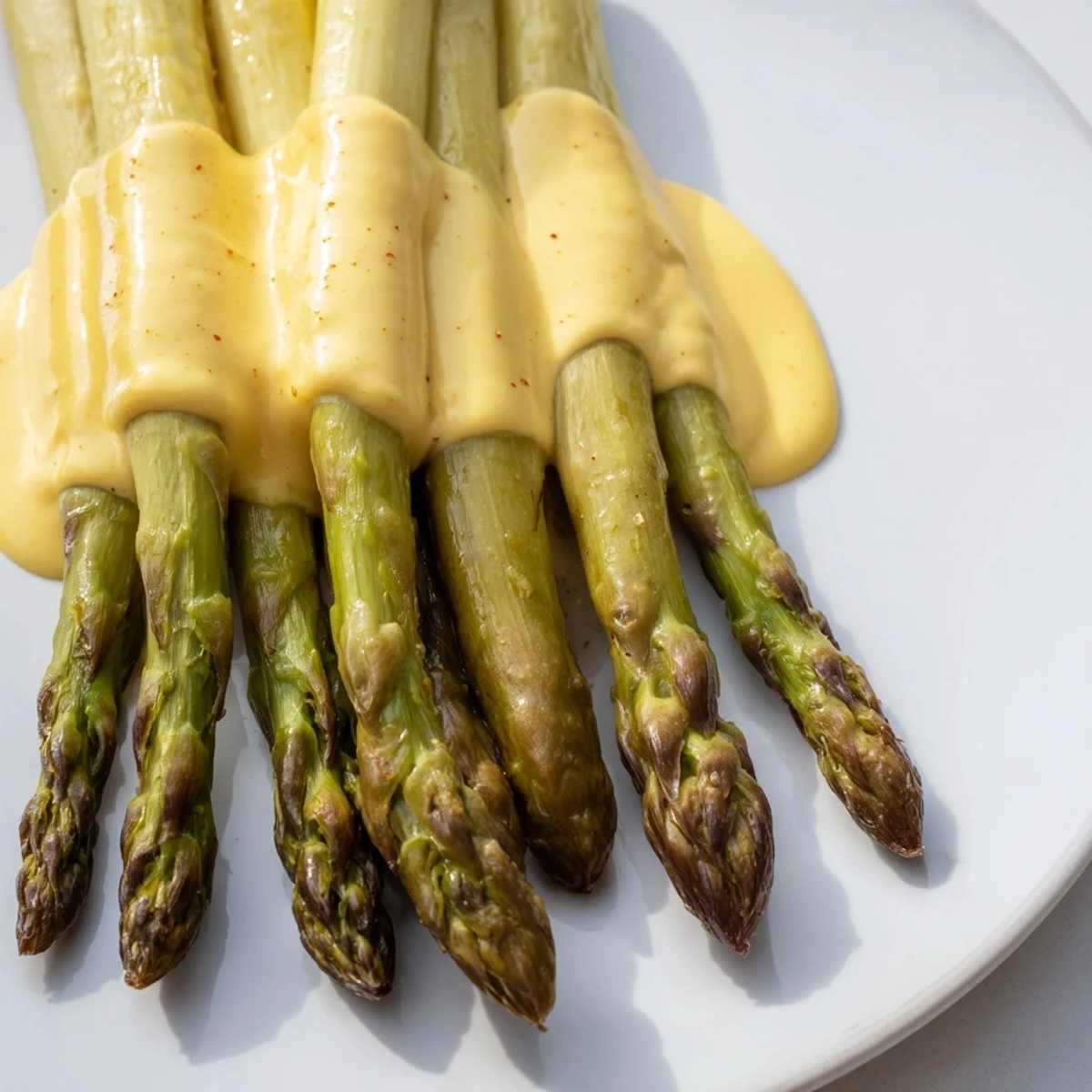
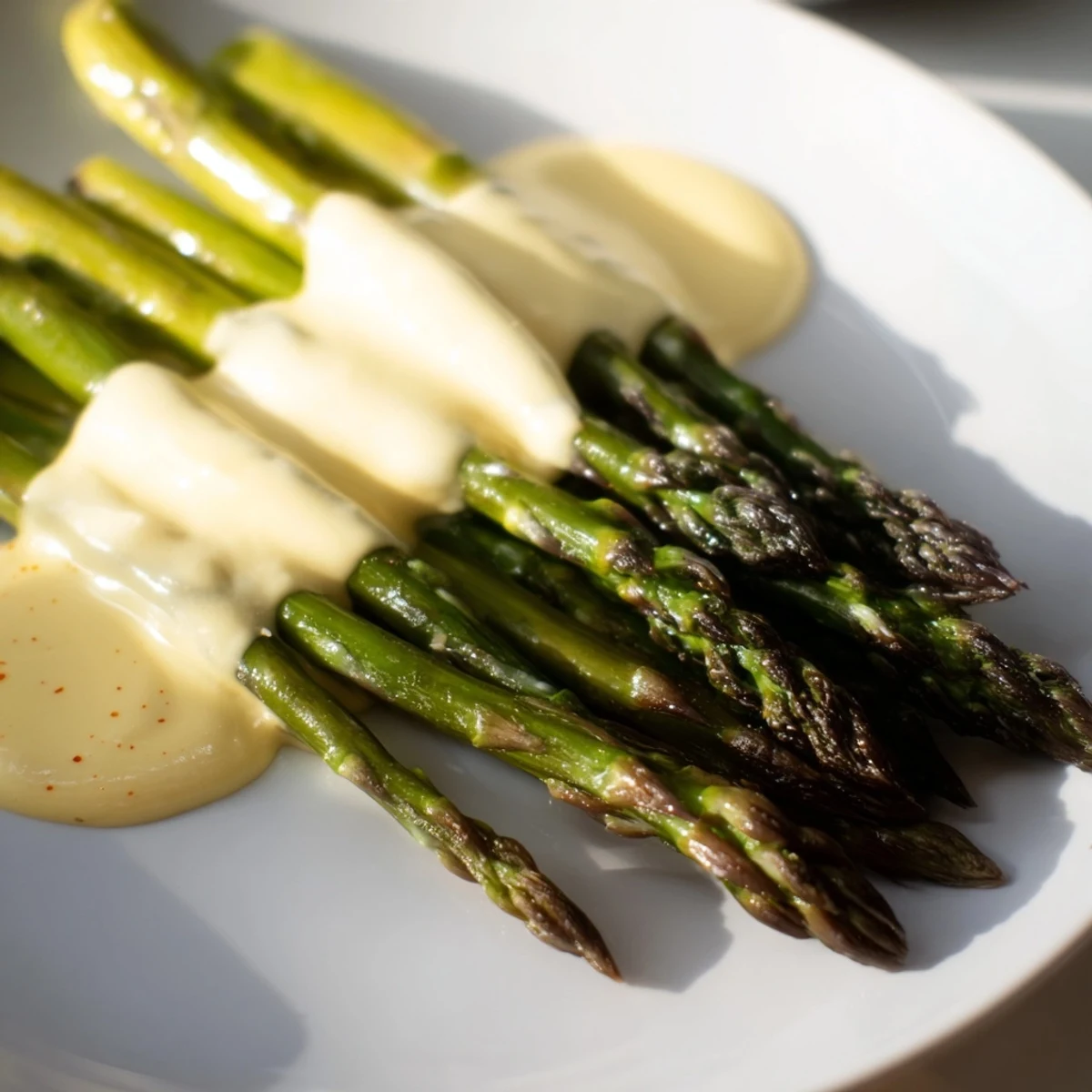
 This dish features tender asparagus spears roasted until lightly browned and flavorful, finished with a smooth, velvety Hollandaise sauce made by gently whisking egg yolks, lemon juice, and warm melted butter over simmering water. The slightly tangy, rich sauce enhances the natural sweetness of the asparagus, creating an elegant accompaniment ideal for spring dining or brunch settings. Simple seasoning with olive oil, salt, and pepper heightens the vegetable’s freshness, while optional herbs add a fragrant touch.
Preparation is straightforward: asparagus is roasted at high heat for about 15 minutes, while the sauce is emulsified carefully to achieve a creamy texture. Serving this immediately preserves the sauce’s delicate consistency and bright flavor. This dish suits vegetarian and gluten-free preferences and pairs wonderfully with poached eggs or smoked salmon.
The first time I made Hollandaise, I was convinced I had destroyed it. I had walked away from the double boiler for maybe thirty seconds to answer a phone call, and when I returned, the yolks had seized into something resembling scrambled eggs. I stood there staring at the bowl, muttering about waste and failure, when my grandmother wandered in, tasted the mess anyway, and declared it "not bad with enough toast." That kitchen still smelled of lemon and butter, and I learned that day that even broken sauces have their purpose.
I made this for my sister the morning she told me she was pregnant. We sat on her tiny balcony with coffee going cold, the Hollandaise still warm, neither of us saying much because the news was too big for words. The asparagus was slightly overdone because I was distracted by her nervous laughter, and the sauce was probably a degree too thick, but she still talks about that breakfast.
Ingredients
- Fresh asparagus: Look for firm stalks with tight tips; the skinny ones roast faster but the fat ones have more substance.
- Olive oil: Nothing fancy needed here, just enough to help the salt and pepper stick and encourage browning.
- Kosher salt and black pepper: The salt draws out moisture and deepens the roasted flavor.
- Egg yolks: These are the foundation of your sauce; room temperature yolks emulsify more willingly than cold ones.
- Fresh lemon juice: Brightens the richness and helps stabilize the emulsion.
- Unsalted butter: Must be warm when you add it, or the sauce will seize and sulk.
- Cayenne pepper: Optional but recommended; the gentle heat wakes everything up without announcing itself.
Instructions
- Ready the oven and sheet:
- Heat your oven to 425°F and line a baking sheet with parchment. The paper makes cleanup trivial and prevents the delicate tips from sticking.
- Coat the asparagus:
- Spread the spears in one layer, drizzle with oil, and toss with your hands. Use more salt than feels prudent; roasting dulls seasoning.
- Roast until tender:
- Twelve to fifteen minutes will give you bendable stalks with blistered spots. Shake the pan once halfway through for even color.
- Start the yolks:
- Whisk yolks and lemon juice until the mixture lightens and falls in ribbons. This base work makes the emulsion possible.
- Build the sauce over water:
- Set your bowl above barely simmering water, whisk without stopping, and add the warm butter in the thinnest stream you can manage. Patience here is everything.
- Season and hold:
- Remove from heat, taste for salt, and add cayenne if you want that subtle warmth. Keep the bowl near the stove's residual heat.
- Plate and serve:
- Arrange the roasted spears while still hot, spoon sauce generously, and do not wait. Hollandaise waits for no one.
 Pin It
 Last spring I brought this to a potluck and watched a man in a baseball cap eat seven spears in silence, then ask me if I was married. I told him the sauce was the real seduction, not me. He agreed, and we talked about double boilers for twenty minutes.
What to Do When the Sauce Thickens Too Much
Hollandaise tightens as it sits, especially in a drafty kitchen or overeager warming spot. Keep a small cup of warm water nearby and whisk in drops until the sauce returns to pouring consistency. Cold water will shock the emulsion and cause separation, so patience with temperature matters as much as patience with pacing.
Making This Feel Like a Real Meal
The dish stands alone as a side, but it wants company. A poached egg nested beside the spears turns this into brunch. Smoked salmon draped across the top makes it lunch. I have eaten it cold from the refrigerator at midnight, standing in socks, and can confirm it holds up even then.
Small Choices That Change Everything
Your asparagus thickness determines your roasting time, so buy uniform bunches or accept that some stalks will be softer than others. Thick spears need peeling at the base; thin ones do not. I prefer the thick ones for their meaty texture against the delicate sauce.
- Chop herbs at the last second to preserve their volatile oils and bright color.
- Warm your serving plates so the sauce does not cool and tighten on contact.
- Make the sauce while the asparagus roasts; the timing works perfectly if you start when the spears enter the oven.
 Pin It
 However you serve it, eat it soon and eat it with people who will appreciate the effort. The sauce does not keep, and neither do good moments.
Recipe FAQs
- → How do I ensure the asparagus is perfectly roasted?
-
Arrange asparagus in a single layer on a baking sheet and roast at 425°F (220°C) for 12–15 minutes until tender and lightly browned to bring out a natural sweetness and maintain texture.
- → What is the best way to make a smooth Hollandaise sauce?
-
Whisk egg yolks and lemon juice over gently simmering water, slowly adding warm melted butter while continually whisking until the sauce thickens and doubles in volume for a creamy texture.
- → Can I add extra flavors to this dish?
-
Yes, sprinkling fresh herbs like tarragon or chives over the finished dish adds bright, aromatic notes that complement the richness of the sauce.
- → How should I serve roasted asparagus with Hollandaise sauce?
-
Serve immediately after combining to keep the sauce warm and velvety; it makes a perfect elegant side or brunch dish, pairing well with poached eggs or smoked salmon.
- → Are there common allergens to be aware of?
-
This dish contains eggs and dairy from the Hollandaise sauce, so check ingredient sensitivities before serving.