
 Pin It
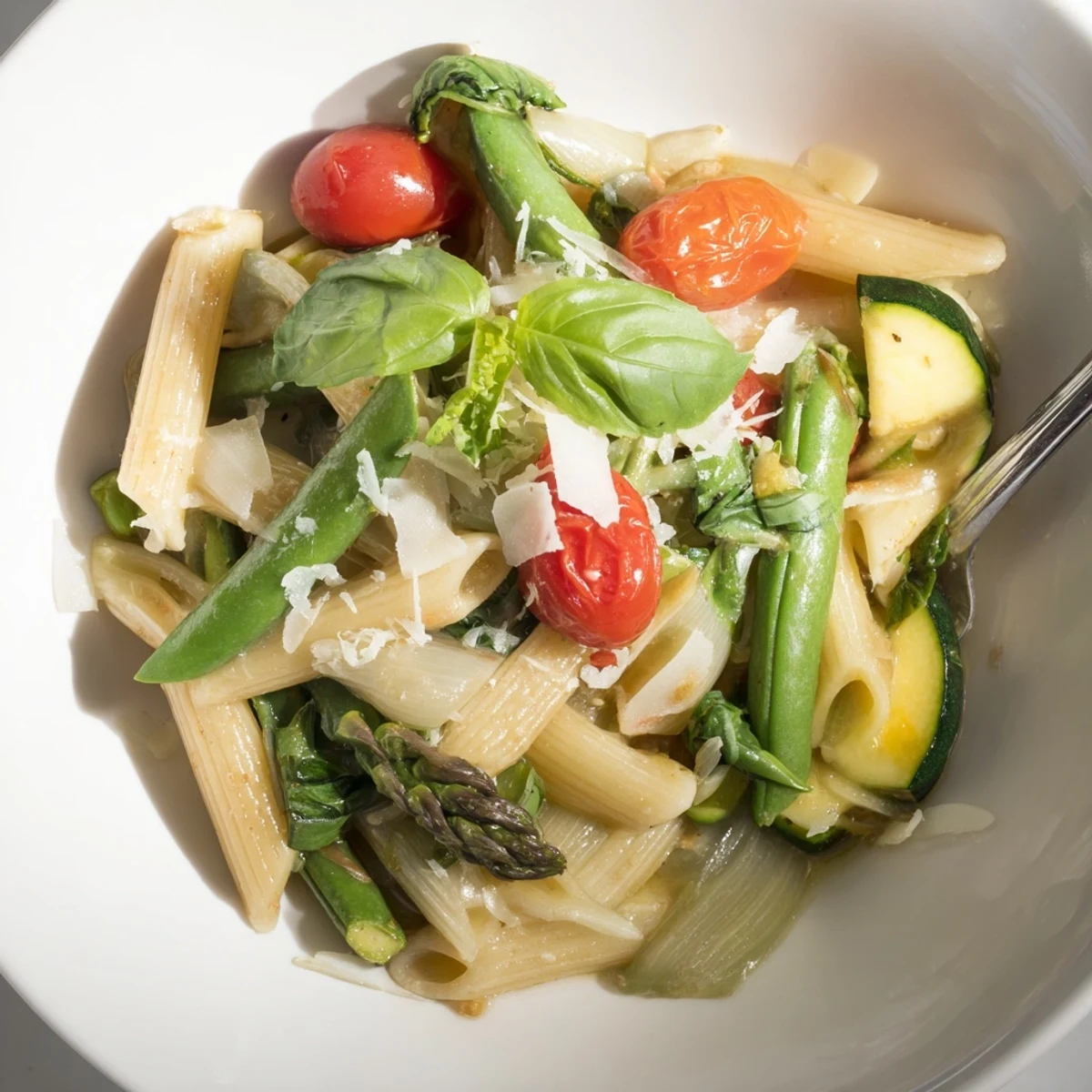
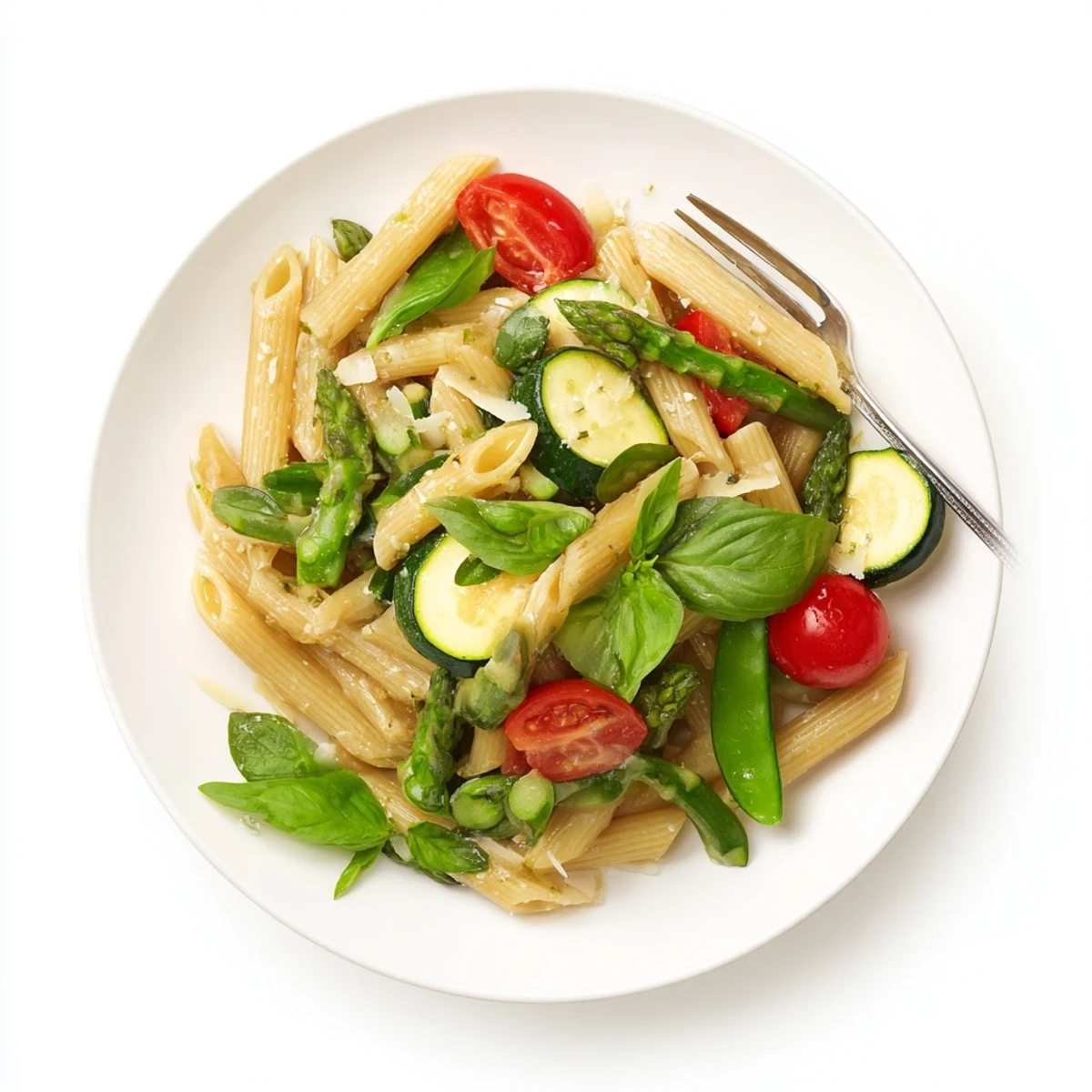
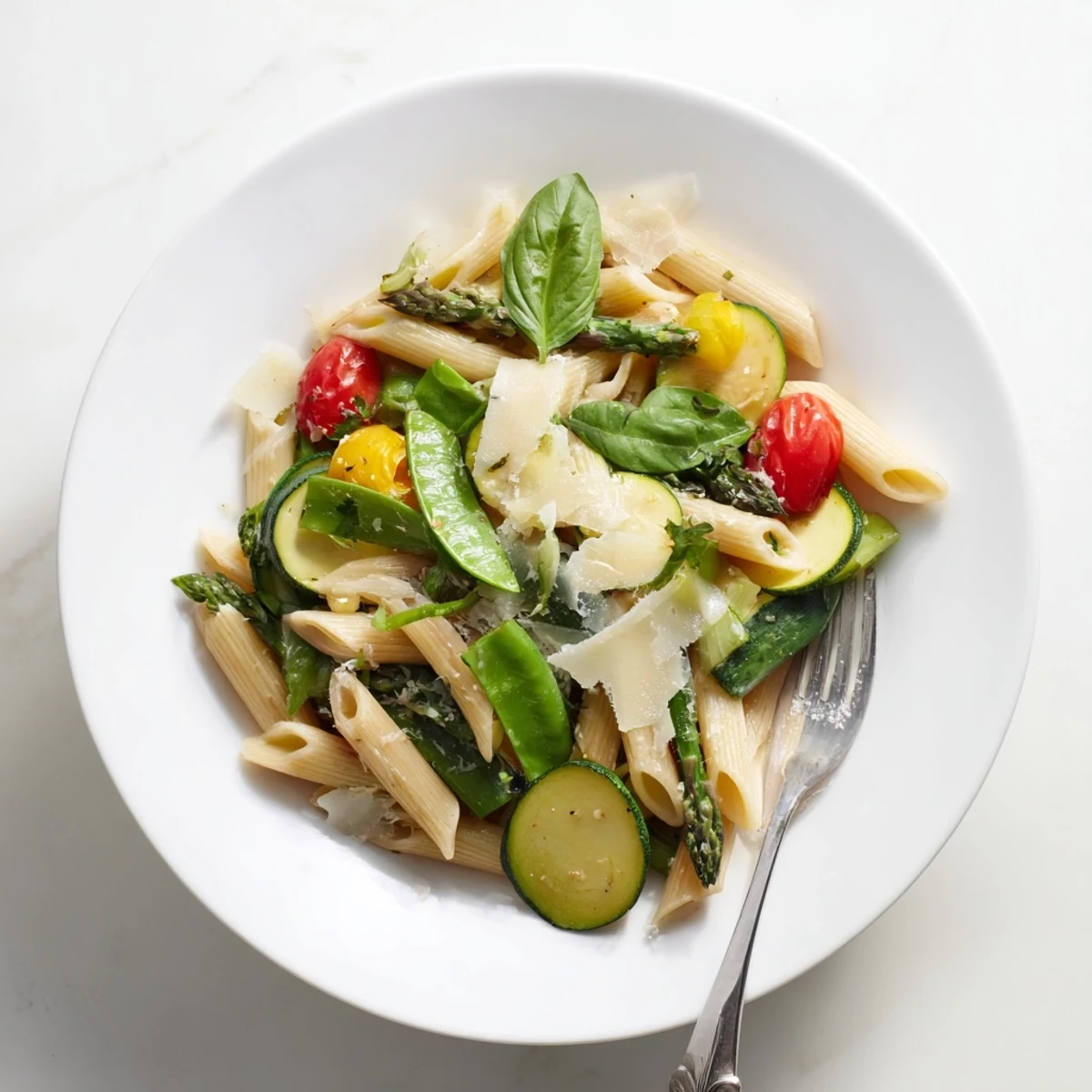
 This vibrant one-pot pasta brings together tender asparagus, snap peas, zucchini, spinach, and cherry tomatoes in a light, flavorful broth. The pasta cooks directly in the vegetable broth, absorbing all the fresh spring flavors while creating a naturally creamy sauce. Finished with bright lemon zest, juice, and Parmesan cheese, this Italian-inspired dish comes together in just 35 minutes with minimal cleanup.
Last April, after months of heavy comfort food, my kitchen was begging for something bright and alive. I'd been eyeing the first asparagus at the farmers market for weeks before finally bringing home a generous bunch. This one pot pasta emerged from a rainy Sunday afternoon when I wanted all that spring freshness without filling my sink with dishes. The way the pasta cooks directly in the vegetable broth, absorbing all those flavors while becoming perfectly creamy, still feels like pure magic.
I first made this for my friend Sarah who claims she hates vegetables, mostly because she'd only ever had them boiled into sad submission. She went back for thirds and asked for the recipe before she even left my apartment. Something about tender asparagus, sweet snap peas, and that bright hit of lemon transforms pasta night into something that actually feels like a celebration of the season.
Ingredients
- 340 g penne or fusilli pasta: Short pasta shapes work beautifully here because they catch all the tender vegetables in their curves
- 1 liter low-sodium vegetable broth: The pasta cooks directly in this, so choose one you actually enjoy drinking on its own
- 250 ml water: This helps thin the broth slightly so the pasta has enough liquid to cook through properly
- 1 cup asparagus, cut into pieces: Look for firm stalks with tight tips and snap off the woody ends before cutting
- 1 cup sugar snap peas, trimmed: These add such a wonderful crunch and natural sweetness
- 1 cup zucchini, halved and sliced: Dont cut these too thin or theyll disappear into the pasta
- 1 cup baby spinach: Added at the very end so it just wilts without turning mushy
- 1 cup cherry tomatoes, halved: They become sweet and burst slightly when stirred in at the end
- 1 small leek, sliced: Leeks have a milder, sweeter flavor than onions and feel more elegant
- 2 cloves garlic, minced: Add this with the leeks so it mellows and sweetens rather than burning
- 2 tbsp olive oil: The foundation that carries all the flavors
- 1 tsp lemon zest: This brightens the whole dish and makes the spring vegetables sing
- 2 tbsp lemon juice: Add this at the end to preserve its fresh, acidic punch
- 1/4 cup grated Parmesan cheese: This melts into the pasta creating a silky, savory finish
- Salt and black pepper: Taste at the end since the broth provides some saltiness already
- 2 tbsp chopped fresh basil or parsley: Sprinkle this over right before serving for a pop of green and fresh flavor
Instructions
- Build your flavor foundation:
- Heat the olive oil in a large, deep skillet or Dutch oven over medium heat. Add the sliced leek and minced garlic, cooking until they're soft and fragrant but not browned, about 2 minutes.
- Start the pasta:
- Pour in the pasta, vegetable broth, and water. Bring everything to a boil, give it a good stir, then reduce the heat to maintain a gentle simmer.
- Let the pasta begin cooking:
- Cook the pasta for 8 minutes, stirring occasionally to prevent sticking. The liquid will begin to thicken as starch releases from the pasta.
- Add the hearty vegetables:
- Toss in the asparagus pieces, sugar snap peas, and sliced zucchini. Continue cooking for another 7 minutes, stirring frequently, until the pasta is tender and most of the liquid has been absorbed.
- Finish with delicate touches:
- Stir in the spinach, halved cherry tomatoes, lemon zest, lemon juice, and grated Parmesan. Cook for just 2 more minutes until the spinach is wilted and the tomatoes are warmed through.
- Season and serve:
- Taste and add salt and pepper as needed. Remove from heat and sprinkle with fresh herbs and extra Parmesan before serving hot.
 Pin It
 This recipe has become my go-to for dinner parties because it looks impressive but requires so little active cooking time. I love standing at the stove, glass of wine in hand, while guests gather around to inhale the garlic and lemon wafting through the kitchen. The other night my roommate walked in, took a deep breath, and immediately asked when we were eating.
Making It Your Own
I've swapped in fava beans when I find them fresh, and frozen peas work beautifully in a pinch. The beauty of this recipe is its flexibility, whatever vegetables look gorgeous at the market will likely taste wonderful here.
Serving Suggestions
A crisp white wine like Sauvignon Blanc cuts through the pasta's richness and complements the spring vegetables perfectly. Sometimes I serve it with a simple arugula salad dressed in vinaigrette to add some peppery bite.
Timing Is Everything
The key is adding vegetables at the right moment, hearty ones early and delicate ones late. This ensures everything finishes perfectly tender at the same time.
- Prep all your vegetables before starting since everything happens quickly once cooking begins
- Keep the broth warm in a separate pot if you want to add more gradually, though the recipe works with the full amount at once
- Have your lemons zested and juiced ahead so you can finish the dish the moment it's ready
 Pin It
 This pasta captures exactly what I love about spring cooking, simple ingredients treated with respect and allowed to shine. Hope it brings some brightness to your table too.
Recipe FAQs
- → Can I use different pasta shapes?
-
Yes, penne, fusilli, rotini, or farfalle work well. Short pasta shapes hold onto the vegetables and sauce nicely.
- → What other spring vegetables can I add?
-
Fava beans, English peas, green beans, or artichoke hearts make excellent additions. Swap based on what's fresh and available.
- → Can I make this vegan?
-
Simply omit the Parmesan cheese or use a plant-based alternative. The dish remains flavorful without it.
- → How do I store leftovers?
-
Store in an airtight container in the refrigerator for up to 3 days. Reheat with a splash of water or broth to loosen the pasta.
- → Can I freeze this dish?
-
Freezing is not recommended as the pasta texture may become mushy. Best enjoyed fresh or refrigerated.