
 Pin It
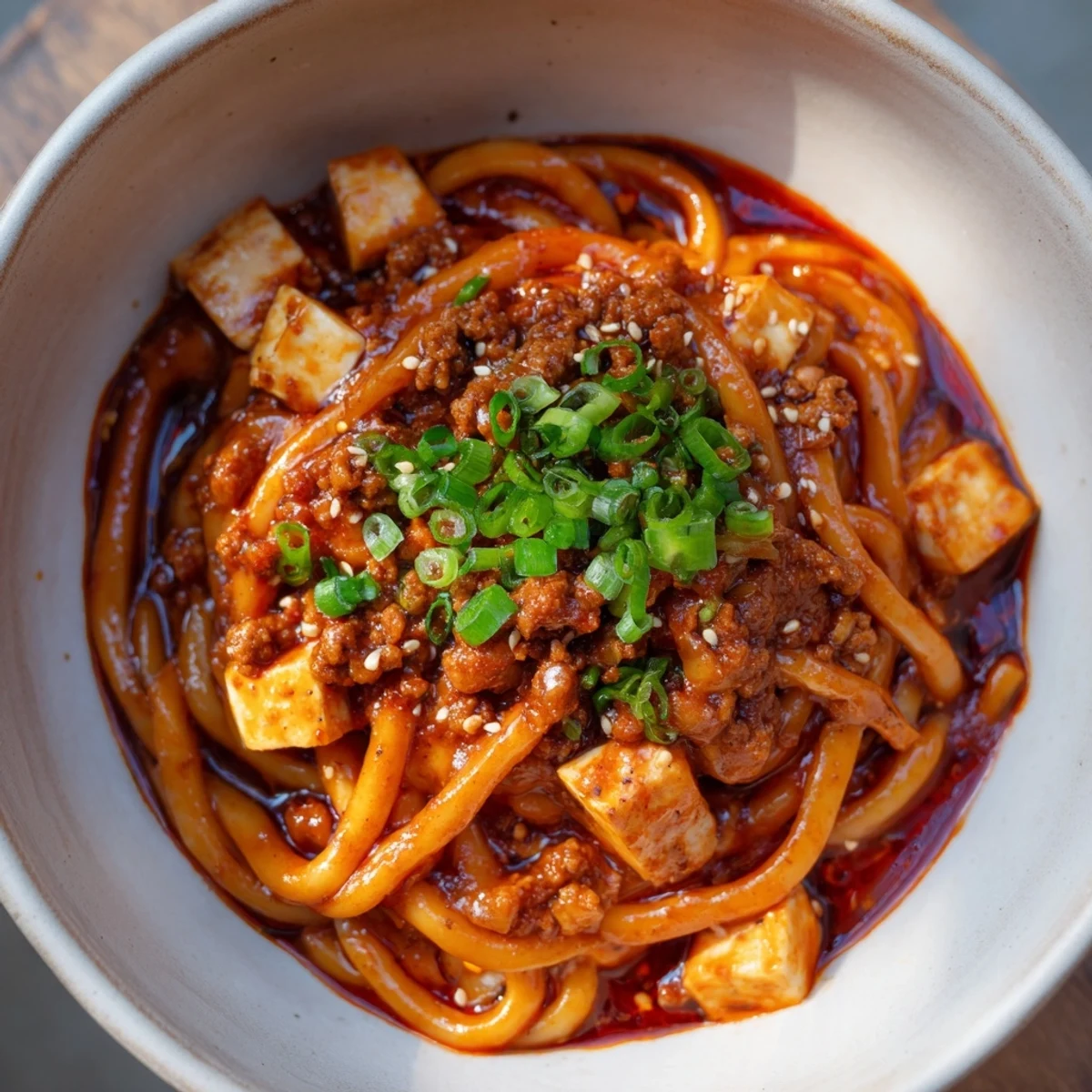
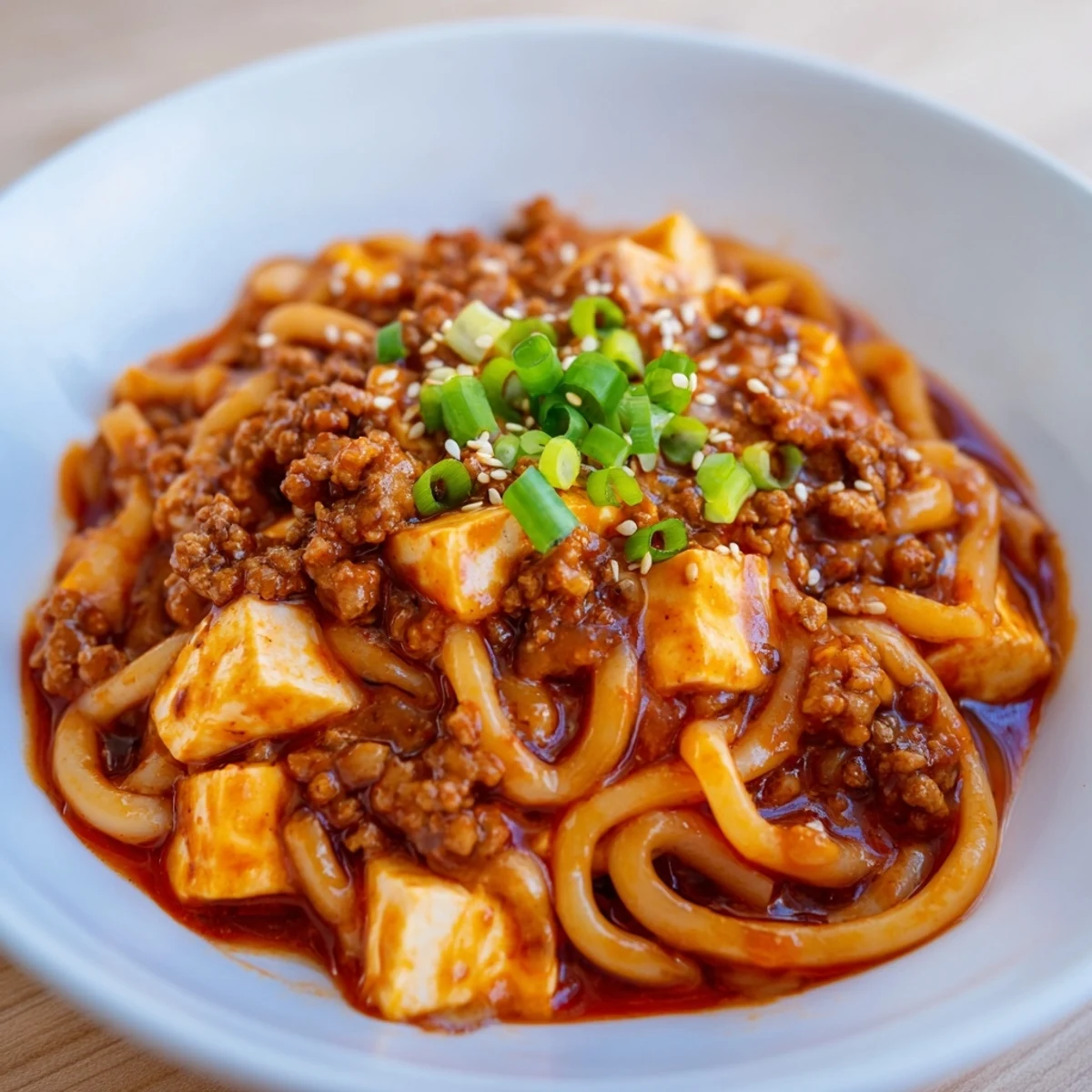
 This fusion dish brings together the numbing spice of Sichuan cuisine with the satisfying chew of Japanese udon noodles. Ground pork and soft tofu simmer in a fragrant sauce made with fermented chili bean paste, garlic, and ginger, creating a rich, spicy coating for every noodle. The dish balances heat from doubanjiang with subtle sweetness, while the thick udon noodles provide the perfect canvas to soak up the flavorful sauce. Ready in just 35 minutes, this comforting bowl serves four and can easily be adapted for vegetarians using plant-based mince.
The steam rising from that first bowl hit me like a warm embrace. My roommate had just returned from a semester in Osaka and was raving about this strange but wonderful dish she'd discovered at a tiny fusion spot. We spent a rainy Sunday afternoon recreating it, and when the numbing spice met those thick chewy noodles, something clicked in my brain.
Last winter my friend Mei came over completely defeated after a brutal week at work. I made a double batch of this and watched her shoulders actually drop as she took that first bite. The combination of numbing spice and comforting carbs is basically edible therapy.
Ingredients
- Soft tofu: Cubed gently because it breaks apart so easily. The silken texture soaks up all that spicy sauce like a sponge.
- Ground pork: Brown it thoroughly so those little crispy bits form. Plant-based mince works beautifully if you want to keep it vegetarian.
- Fresh udon noodles: They're worth seeking out at Asian markets. The thickness and chewiness create such a satisfying contrast to the tender tofu.
- Sichuan peppercorns: Toast them briefly first. That floral numbing sensation is what makes mapo tofu sing.
- Doubanjiang: The soul of this dish. This fermented bean paste brings layers of umami and heat that nothing else can replicate.
- Cornstarch slurry: The secret to getting that restaurant-quality glossy sauce that clings to every strand of udon.
Instructions
- Get your prep station ready:
- Cube the tofu carefully, mince your aromatics, and start that water boiling for the udon. Having everything measured out before you turn on the heat makes the actual cooking feel effortless.
- Toast the peppercorns:
- Heat the oil in your wok over medium heat and add those crushed peppercorns. Let them sizzle for about 30 seconds until the aroma fills your kitchen. Remove them if you prefer less heat, or leave them in for maximum numbing power.
- Build your flavor base:
- Toss in the garlic, ginger, and white parts of the spring onions. Stir them around for a minute until everything smells incredible. This foundation carries the whole dish.
- Brown your protein:
- Crank up the heat and add the ground pork or plant-based mince. Break it apart with your spatula and cook until its thoroughly browned with some crispy bits forming.
- Awaken the doubanjiang:
- Stir in that fermented chili paste and let it cook for a minute or two. The oil will turn a gorgeous red and the paste becomes fragrant. This step transforms the dish.
- Add the liquid seasonings:
- Pour in the soy sauce, oyster sauce, Shaoxing wine, and sugar. Let everything bubble together for a moment. The sauce should be bubbling enthusiastically.
- Introduce the tofu:
- Gently lower those tofu cubes into the simmering sauce. Add the broth and let everything cook for about 5 minutes. Spoon that red sauce over the tofu occasionally so it absorbs all that flavor.
- Thicken to perfection:
- Stir in your cornstarch slurry and watch the sauce transform. It should coat the back of a spoon after another 2-3 minutes of gentle simmering.
- Cook the noodles:
- While the sauce bubbles away, drop your udon into the boiling water. Fresh udon only needs a couple of minutes. Drain them well and divide among bowls.
- Bring it all together:
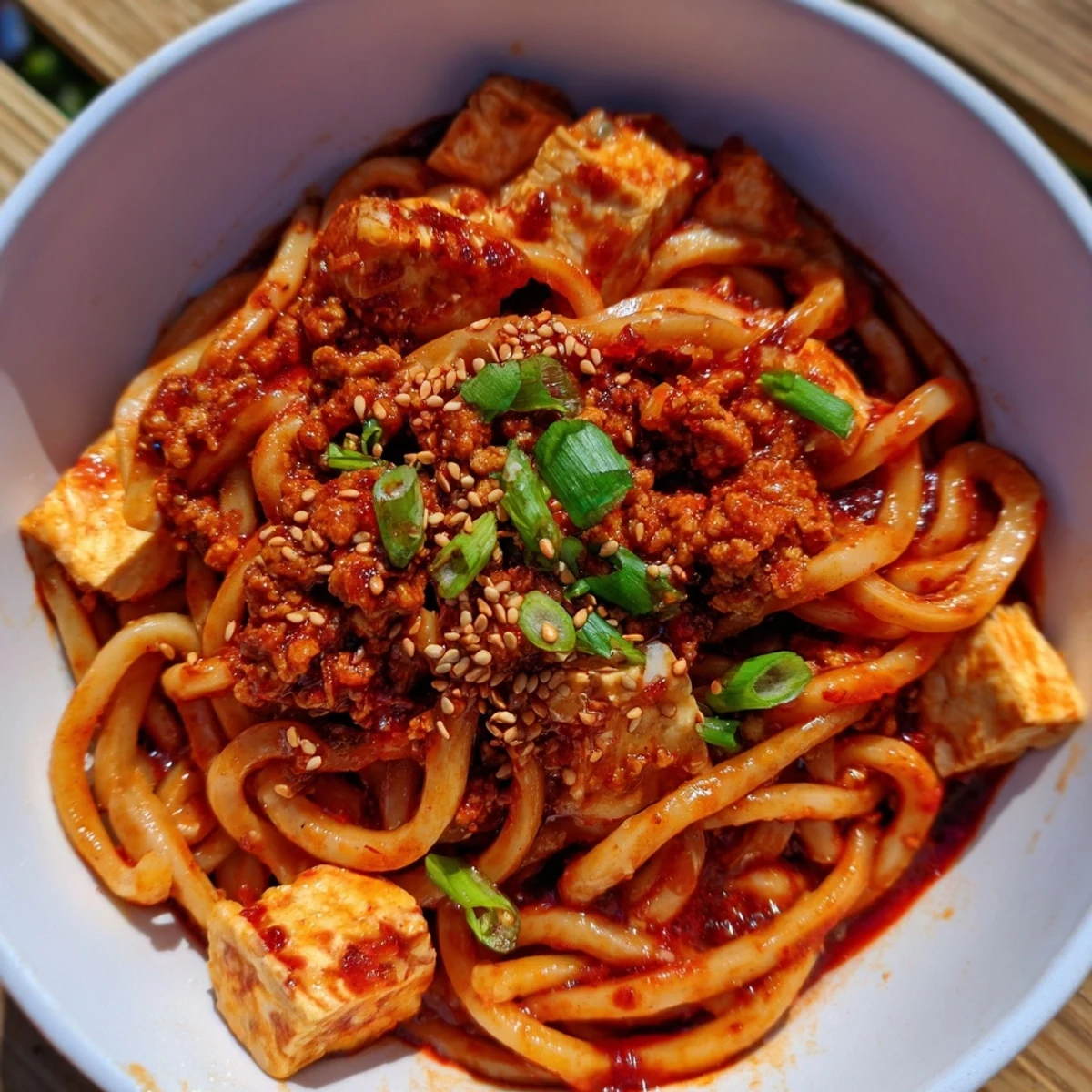
- Ladle generous portions of that spicy mapo tofu over the waiting noodles. Top with the green onions, sesame seeds, and a drizzle of chili oil if you're feeling brave.
 Pin It
 My dad called me in a panic last week saying he'd finally understood why people love spicy food. He'd tried this at a restaurant and immediately demanded the recipe. Watching someone discover the joy of numbing spice for the first time is honestly delightful.
Getting That Restaurant Texture
The difference between home-style mapo tofu and restaurant quality comes down to sauce consistency. You want it thick enough to coat the noodles generously but not so thick that it becomes a paste. The cornstarch slurry should be added gradually while stirring constantly.
Noodle Wisdom
Udon noodles have this incredible ability to stand up to bold flavors without getting lost. Thinner rice noodles would disappear in this sauce. The thickness of fresh udon means every bite delivers both sauce and noodle in perfect proportion.
Make It Your Own
I've played around with this recipe so many times and it's surprisingly forgiving. The non-negotiable elements are the doubanjiang and Sichuan peppercorns. Everything else you can adjust to your taste.
- Add mushrooms for extra earthiness and texture
- Swap the pork for crumbled firm tofu if you want it vegetarian
- Adjust the heat level by controlling how much doubanjiang you use
 Pin It
 There's something so satisfying about fusion dishes that just work. This isn't forcing flavors together it's letting them find their natural harmony. Grab some chopsticks and dig in.
Recipe FAQs
- → What makes mapo tofu udon different from traditional mapo tofu?
-
The key difference lies in the noodles. Instead of serving over steamed rice, this version uses thick, chewy Japanese udon noodles which absorb the spicy sauce beautifully and provide a more substantial texture.
- → Can I make this dish vegetarian?
-
Absolutely. Substitute ground pork with plant-based mince and swap oyster sauce for mushroom sauce. The fermented bean paste provides plenty of umami flavor, making the vegetarian version equally satisfying.
- → How spicy is this dish?
-
The heat level is medium to spicy, primarily from doubanjiang (fermented chili bean paste). You can adjust the spice by adding more or less bean paste, or finishing with chili oil for extra heat.
- → What type of tofu works best?
-
Soft or silken tofu is ideal for mapo tofu as it breaks down slightly into the sauce, creating a creamy texture. Firm tofu can be used but won't provide the same silky mouthfeel.
- → Can I use dried udon noodles?
-
Yes, dried udon works well. Just cook according to package directions, usually 10-12 minutes in boiling water. Fresh udon cooks faster, typically 2-3 minutes, so adjust timing accordingly.
- → What's the purpose of toasting Sichuan peppercorns?
-
Lightly toasting the peppercorns releases their aromatic oils and enhances the signature numbing sensation (mala) that defines authentic Sichuan cuisine. Remove them after toasting if you prefer less numbing effect.