
 Pin It
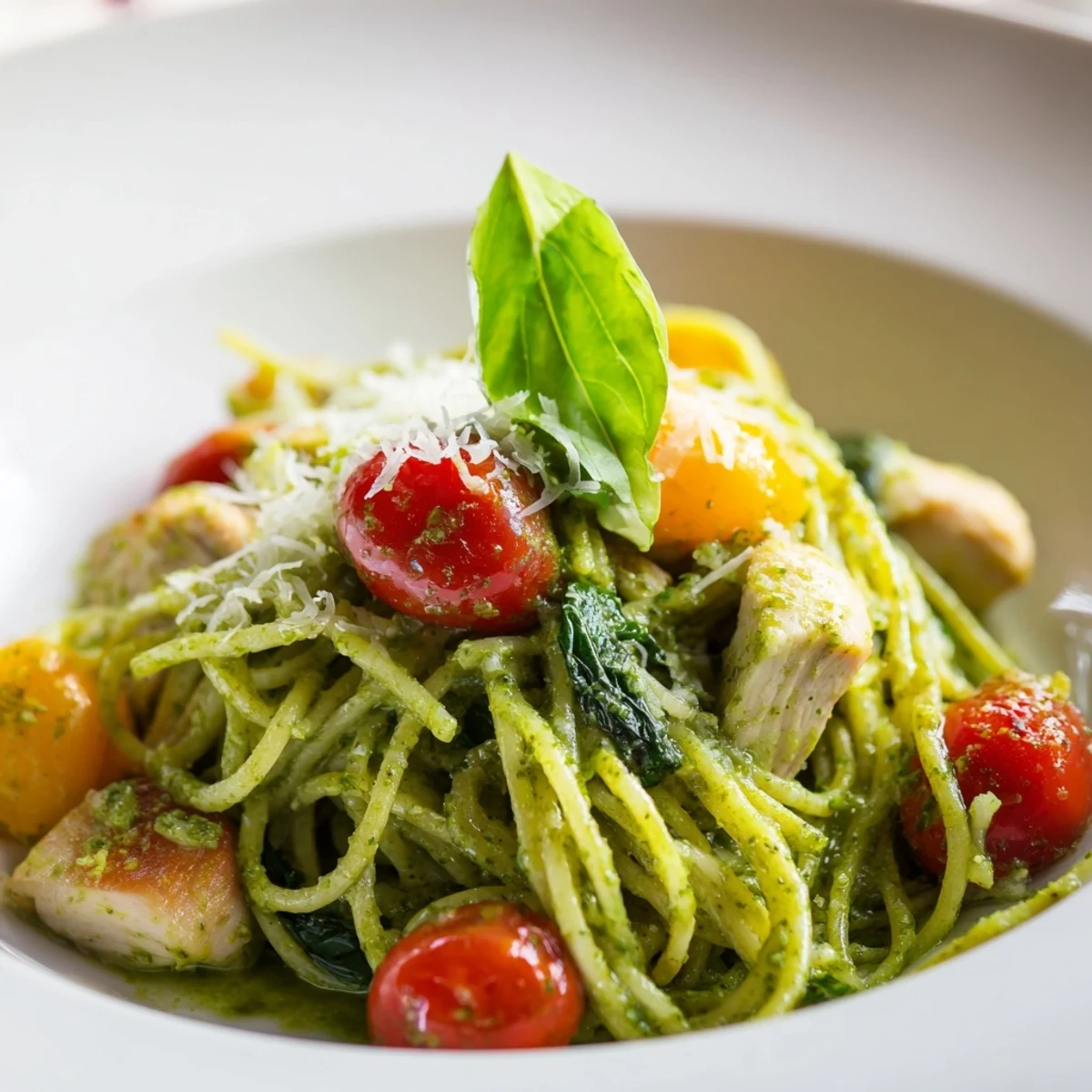
 This wholesome Italian-inspired dish brings together tender chunks of seasoned chicken breast with vibrant fresh basil pesto and perfectly al dente pasta. The homemade pesto blends fragrant basil leaves, toasted pine nuts, garlic, and Parmesan with a bright splash of lemon juice, creating a light yet flavorful coating. Each serving delivers 32 grams of protein while remaining remarkably satisfying. Optional cherry tomatoes and baby spinach add color and extra nutrients. The entire meal comes together in just 35 minutes, making it perfect for busy weeknights when you want something nutritious without spending hours in the kitchen.
The first time I made pesto from scratch, my kitchen smelled like an Italian grandmother had moved in. I had been buying jarred pesto for years, never realizing how dramatically fresh basil and pine nuts could transform a simple Tuesday dinner. Now, this chicken pesto pasta has become my go to when I want something that feels elegant but comes together in under 40 minutes.
Last summer, my sister came over exhausted from a new job, and I threw this together while she sat at my counter complaining about her commute. By the time we sat down with our bowls of green flecked pasta and perfectly seasoned chicken, she had forgotten entirely about work and was asking for the recipe. That is when I knew this dish was special.
Ingredients
- 2 boneless skinless chicken breasts: Cutting them into bite sized pieces helps them cook evenly and absorb more flavor from the light seasoning
- 350 g whole wheat or regular pasta: Whole wheat adds nuttiness that pairs beautifully with pesto, but regular works perfectly too
- 50 g fresh basil leaves: Fresh basil is non negotiable here, dried basil simply cannot deliver that bright, peppery aroma
- 2 tbsp pine nuts: These add buttery richness, though walnuts make an excellent budget friendly substitute
- 2 garlic cloves: Fresh garlic gives the pesto its kick, so do not be tempted to use pre minced garlic
- 40 g grated Parmesan cheese: The saltiness of Parmesan balances the fresh herbs and ties everything together
- 2 to 3 tbsp extra virgin olive oil: This creates the silky consistency that makes the pesto coat every strand of pasta
- Juice of 1/2 lemon: A hit of acidity brightens all the rich flavors and keeps the dish feeling fresh
- 100 g cherry tomatoes: These are optional but add lovely pops of sweetness and color
- Handful of baby spinach: Another optional addition that wilts into the hot pasta for extra nutrients
Instructions
- Start with the pasta water:
- Bring a large pot of generously salted water to a rolling boil before adding your pasta. Cook until al dente, then reserve about 100 ml of that starchy pasta water before draining, this liquid gold will help create your silky sauce later.
- Blend up the pesto:
- In your food processor, combine fresh basil, pine nuts, garlic, Parmesan, lemon juice, salt, and pepper. While the motor runs, slowly drizzle in olive oil until the mixture transforms into a vibrant, smooth sauce. Taste and adjust the seasoning until it sings.
- Cook the chicken pieces:
- Heat a tablespoon of olive oil in a large skillet over medium heat. Add the seasoned chicken pieces and let them cook undisturbed for a minute or two before stirring, this helps develop a golden brown exterior. Continue cooking for 6 to 7 minutes until cooked through, then transfer to a plate.
- Add the vegetables:
- If you are using cherry tomatoes and spinach, toss them into the same skillet and sauté for just 2 minutes. You want them softened but still bright and fresh looking.
- Bring it all together:
- Reduce the heat to low, return the chicken to the skillet, and add your drained pasta. Pour in the pesto and splash in some of that reserved pasta water, tossing everything together until the sauce lightly coats each strand of pasta. The pasta water creates that restaurant quality consistency.
- Serve it up:
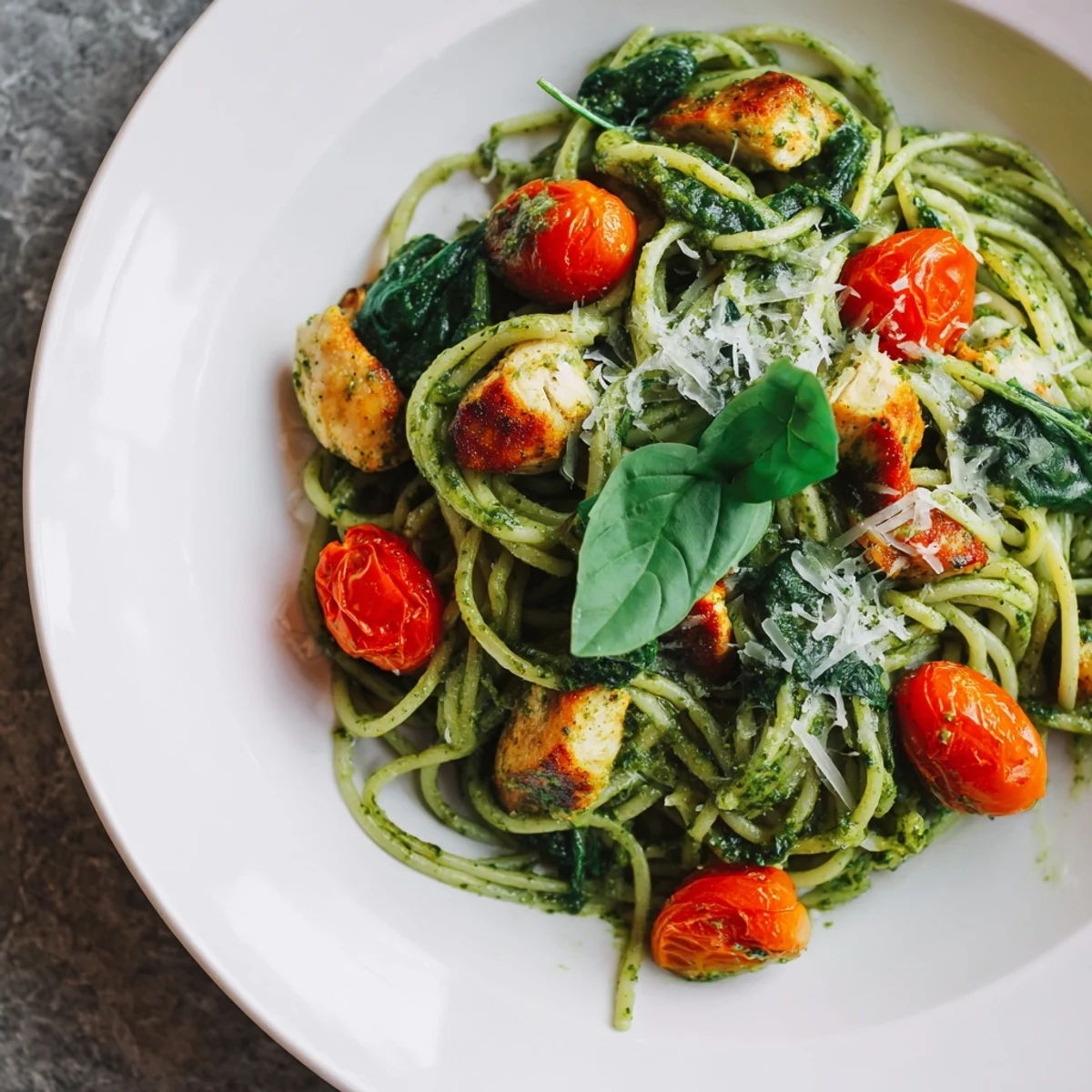
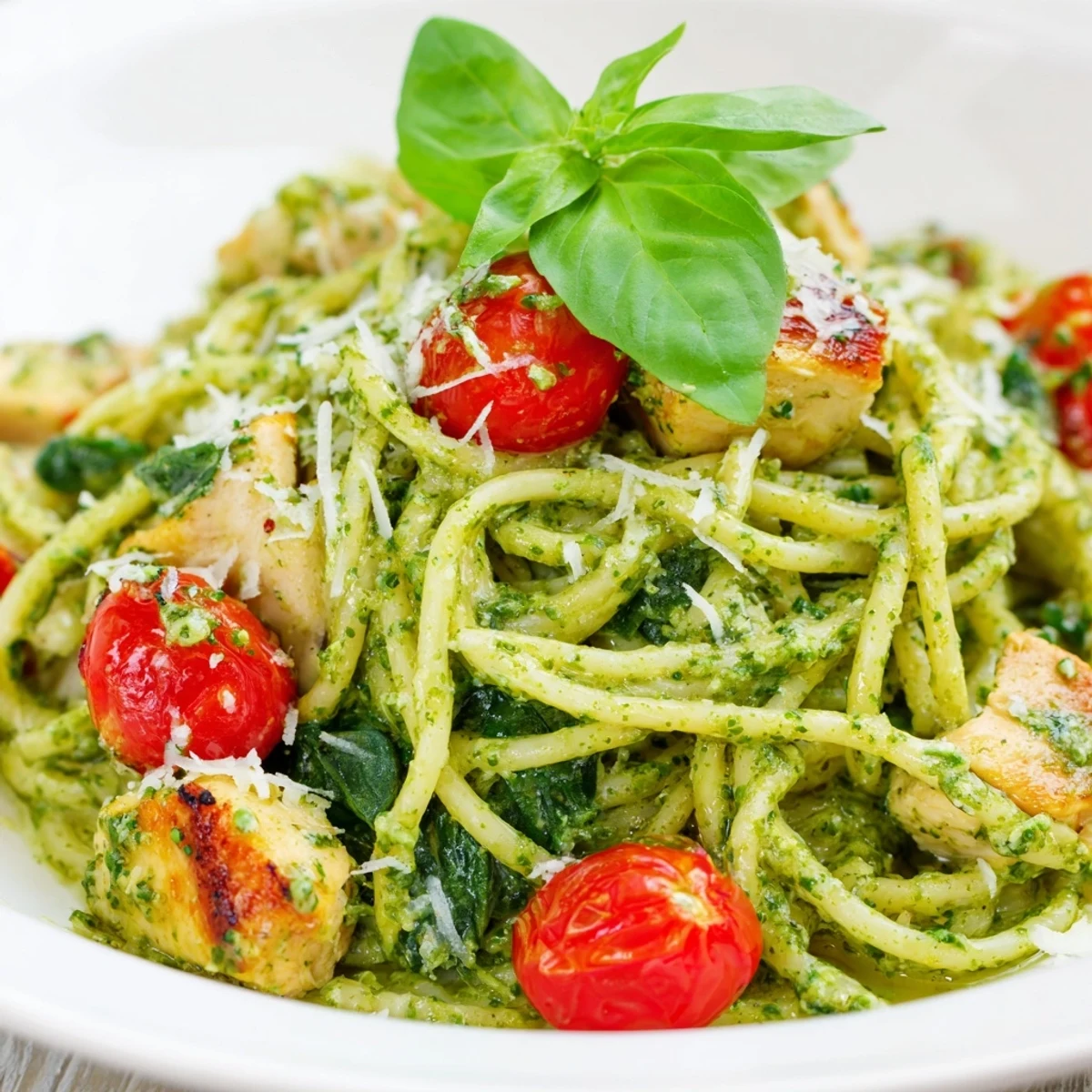
- Plate the pasta immediately while it is steaming hot, scattered with extra Parmesan and fresh basil leaves. The contrast of the warm pasta against the cool garnish makes each bite perfect.
 Pin It
 This recipe became a regular in my rotation because it strikes that perfect balance between feeling like a treat and actually being good for you. There is something deeply satisfying about twirling pasta around your fork and knowing you made every component yourself.
Making Pesto Without a Food Processor
If you do not have a food processor, a mortar and pestle will give you an even more authentic texture, though it requires more elbow grease. I have also successfully used an immersion blender by adding ingredients gradually and tilting the container to help everything circulate. The results are slightly chunkier but still absolutely delicious.
Perfecting the Chicken
Do not overcrowd your skillet when cooking the chicken, or the pieces will steam instead of getting that nice golden sear. I learned to cook in two batches if my chicken pieces are particularly plentiful. Also, let the pan get properly hot before adding the meat, that sizzle you hear is flavor developing.
Make Ahead Strategies
The pesto actually tastes better if made a day ahead, giving the flavors time to meld together in the refrigerator. Just store it in an airtight container with a thin layer of olive oil on top to prevent oxidation. Cook the pasta and chicken fresh when you are ready to eat for the best texture.
- If you have leftover pesto, it freezes beautifully in ice cube trays for future quick meals
- Whole wheat pasta holds up better than regular pasta if you need to reheat leftovers the next day
- The dish is best served immediately, but it still makes excellent cold pasta salad the following day
 Pin It
 Sometimes the simplest recipes are the ones that become part of who you are in the kitchen. This pasta has been there through exhausted weeknights and casual dinner parties, and it never fails to make people feel taken care of.
Recipe FAQs
- → Can I make the pesto ahead of time?
-
Absolutely. Prepare the pesto up to 3 days in advance and store it in an airtight container in the refrigerator with a thin layer of olive oil on top to prevent oxidation. The flavors often develop and intensify after resting overnight.
- → What type of pasta works best?
-
Both spaghetti and penne work beautifully here. Whole wheat pasta adds fiber and nutrients, while regular pasta provides a lighter texture. The key is cooking it to al dente so it holds up well when tossed with the pesto and chicken.
- → How do I store leftovers?
-
Store leftover portions in an airtight container in the refrigerator for up to 3 days. The pasta may absorb some of the sauce, so splash in a little water or olive oil when reheating to bring back the creamy texture. Reheat gently on the stovetop or in the microwave.
- → Can I substitute the pine nuts?
-
Yes, walnuts, almonds, or even sunflower seeds make excellent alternatives to pine nuts. Each brings its own subtle flavor profile while maintaining the pesto's signature texture. Toast them lightly beforehand for the best depth of flavor.
- → Is this dish suitable for meal prep?
-
Yes, this dish meal preps wonderfully. Portion into individual containers and refrigerate. Keep the garnish ingredients separate until serving to maintain freshness. The flavors meld beautifully overnight, making it even more delicious for lunch the next day.
- → How can I make this dairy-free?
-
Replace the Parmesan with a vegan Parmesan alternative or nutritional yeast. The pesto will still be flavorful and creamy. Many grocery stores now offer excellent plant-based cheese options that melt and grate just like traditional dairy cheese.