
 Pin It
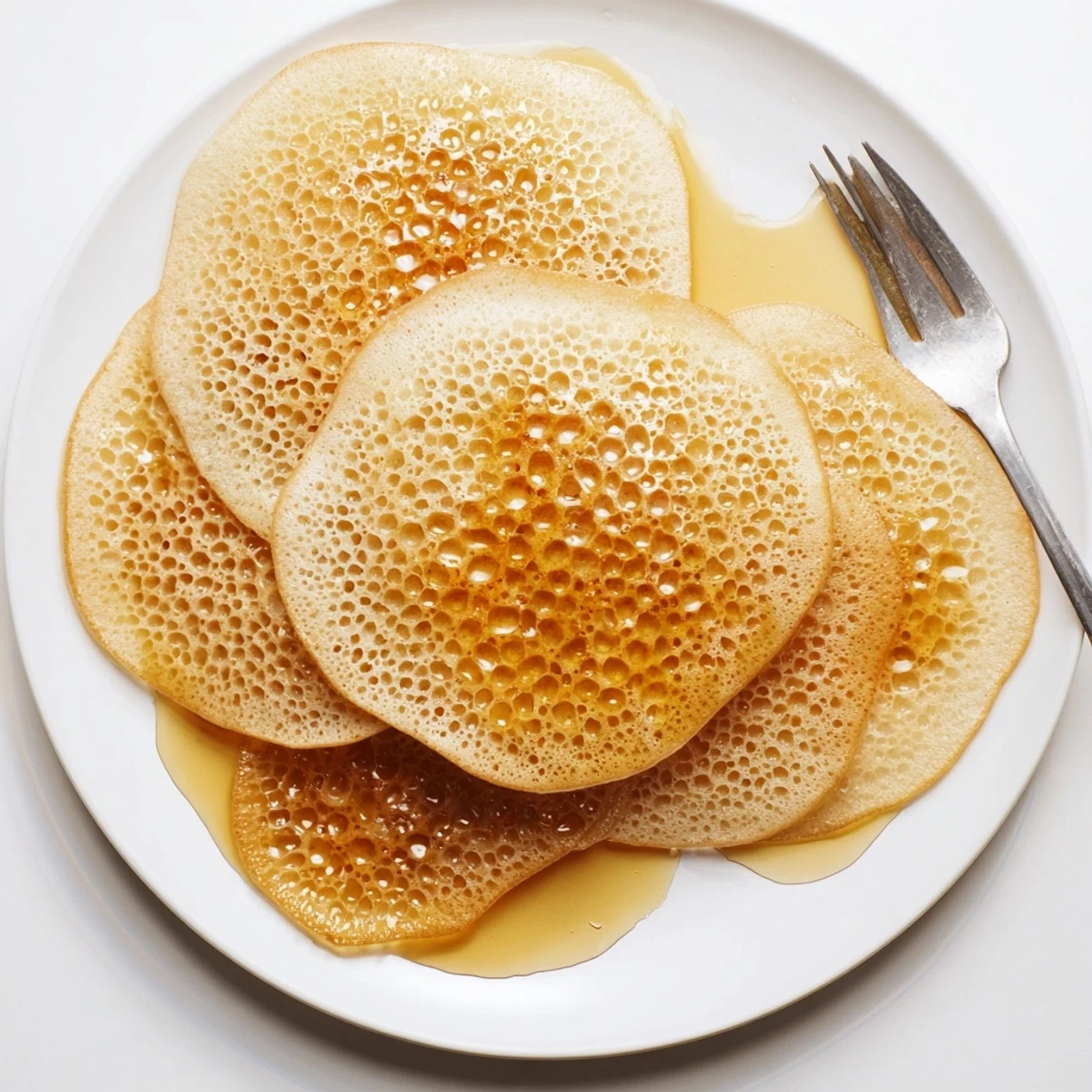
 These delicate Moroccan pancakes feature a unique honeycomb texture created by yeast and semolina. The batter rests to develop characteristic bubbles, then cooks on one side only until the surface becomes dotted with tiny holes. Traditionally enjoyed warm with melted butter and honey, they make an ideal breakfast or sweet snack that comes together in just 35 minutes with simple pantry ingredients.
Last Sunday morning, I stood in my kitchen watching the most magical transformation happen in a mixing bowl. The batter I had whisked together was bubbling up ferociously, creating thousands of tiny holes across the surface. My roommate poked her head in, wondering if I was conducting some kind of science experiment.
The first time I served these to my family, my little nephew stared at the stack of pancakes with wide eyes. Are those sponges he asked genuinely confused. When I explained they were baghrir and told him to dip them in the butter honey mixture, his expression changed instantly. He ate three before anyone else had even finished their first.
Ingredients
- Fine semolina: This is the secret to that distinctive sponge like texture, do not try substituting with regular flour.
- Instant yeast: Works faster than active dry yeast and gives you those beautiful surface bubbles.
- Lukewarm water: Not hot and not cold, this temperature activates the yeast perfectly without killing it.
- Unsalted butter: Melted and brushed over the warm pancakes, it soaks into all those little holes.
- Honey: Traditional and perfect, though date syrup works beautifully if you want to stay authentic to Moroccan roots.
Instructions
- Whisk the dry mixture:
- In a large bowl combine the semolina flour instant yeast baking powder sugar and salt until everything is evenly distributed.
- Add the water gradually:
- Pour in the lukewarm water slowly whisking constantly until you have a smooth batter that is the consistency of heavy cream.
- Let it rest:
- Cover the bowl and let it sit for 30 minutes. You will see bubbles form on the surface and the batter will become frothy.
- Heat your pan:
- Warm a non stick skillet over medium heat until it is hot but not smoking. No butter or oil needed in the pan.
- Cook the pancakes:
- Pour about 1/4 cup of batter onto the skillet. Let it spread naturally into a circle and cook until the surface is covered with holes and the top looks dry.
- Keep them warm:
- Transfer the cooked baghrir to a clean kitchen towel and cover. Repeat with the remaining batter stirring occasionally between pancakes.
- Finish and serve:
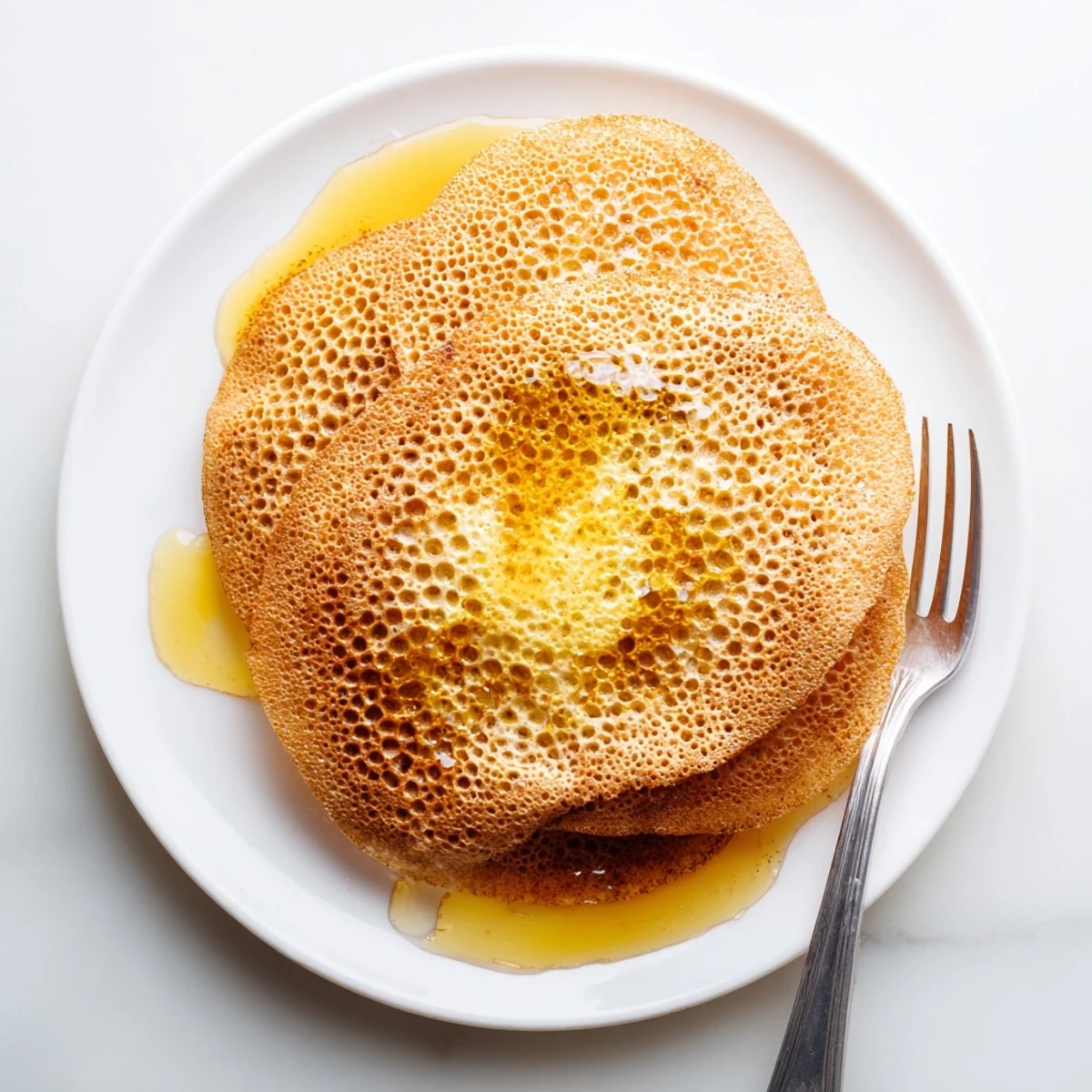
- Brush the warm pancakes generously with melted butter and drizzle with honey while they are still hot.
 Pin It
 My Moroccan friend told me that in her childhood home, the smell of baghrir cooking meant the weekend had officially arrived. Her mother would make a massive batch, and the kids would line up waiting for their turn to dip warm pieces in butter and honey. Now whenever I make them, that same ritual feeling fills my kitchen.
Getting The Texture Right
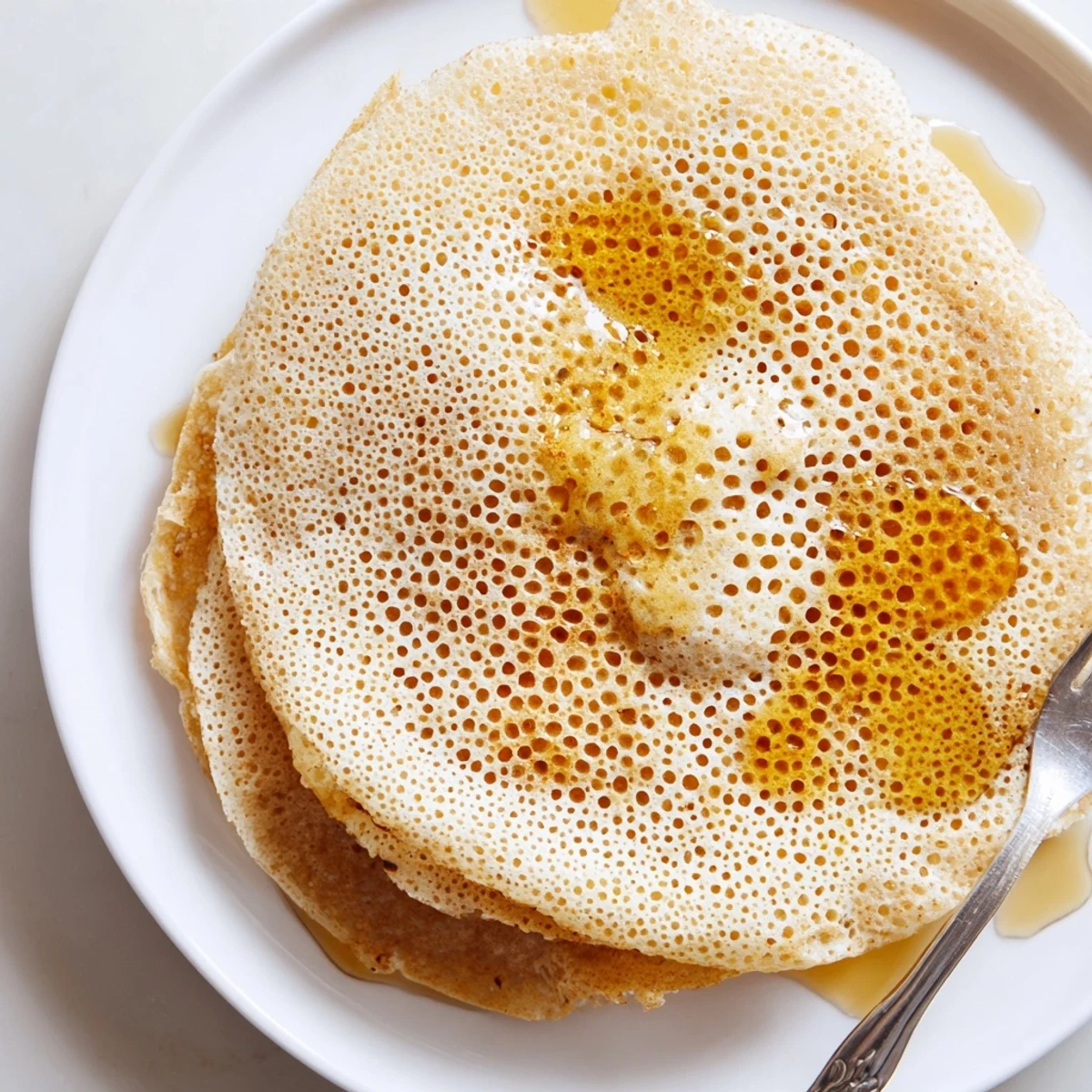
The perfect baghrir should feel like eating a sweet fluffy cloud. When you press your finger gently into the center, it should bounce back immediately. If it feels dense or rubbery, your batter was probably too thick or did not rest long enough. Some cooks blend the batter for extra smoothness, but I find hand whisking gives a lovely organic texture.
Make Ahead Strategy
You can prepare the batter the night before and store it in the refrigerator. In the morning, let it come to room temperature for about 20 minutes before cooking. The flavor actually deepens overnight, making this a fantastic option for hassle free weekend breakfast hosting.
Serving Ideas
While butter and honey is the classic combination, do not be afraid to experiment. I have served these with strawberry jam, chopped almonds, and even a drizzle of chocolate sauce for special occasions. The slightly neutral semolina base plays well with almost anything sweet.
- Try dipping them in orange blossom honey for an authentic North African touch.
- Leftovers can be reheated in a steamer for 30 seconds to refresh that soft texture.
- These freeze beautifully layered between parchment paper for up to a month.
 Pin It
 There is something deeply satisfying about watching those bubbles form and knowing breakfast is going to be extraordinary. Enjoy every warm honey soaked bite.
Recipe FAQs
- → What makes baghrir different from regular pancakes?
-
Baghrir features a distinctive honeycomb texture created by yeast fermentation and semolina flour. Unlike regular pancakes, these cook on one side only and develop hundreds of tiny bubbles across the surface, creating their signature sponge-like appearance.
- → Can I make the batter ahead of time?
-
The batter needs to rest for 30 minutes to develop bubbles, but it's best used fresh. If refrigerated, the yeast activity may slow down. For best results, prepare the batter just before cooking to ensure proper bubble formation and texture.
- → Why don't you flip baghrir while cooking?
-
Baghrir cooks on one side only because the characteristic honeycomb holes form on the top surface as steam escapes through the thick batter. Flipping would disrupt this process and compromise the unique texture that defines these traditional Moroccan pancakes.
- → What can I use instead of semolina?
-
Fine semolina is essential for the authentic texture. If unavailable, you can substitute with more all-purpose flour, though the result will be softer and less characteristic of traditional baghrir. Look for semolina in specialty or Middle Eastern grocery stores.
- → How do I store and reheat leftovers?
-
Store cooled baghrir in an airtight container at room temperature for up to 2 days, or refrigerate for up to 5 days. Reheat by steaming briefly or microwaving with a damp paper towel to restore softness. They can also be frozen for up to 3 months.
- → Can I make baghrir vegan?
-
Yes, simply substitute plant-based butter or olive oil for the dairy butter, and use maple syrup or agave instead of honey. The pancake batter itself is naturally vegan, containing only semolina, flour, yeast, and water.