
 Pin It
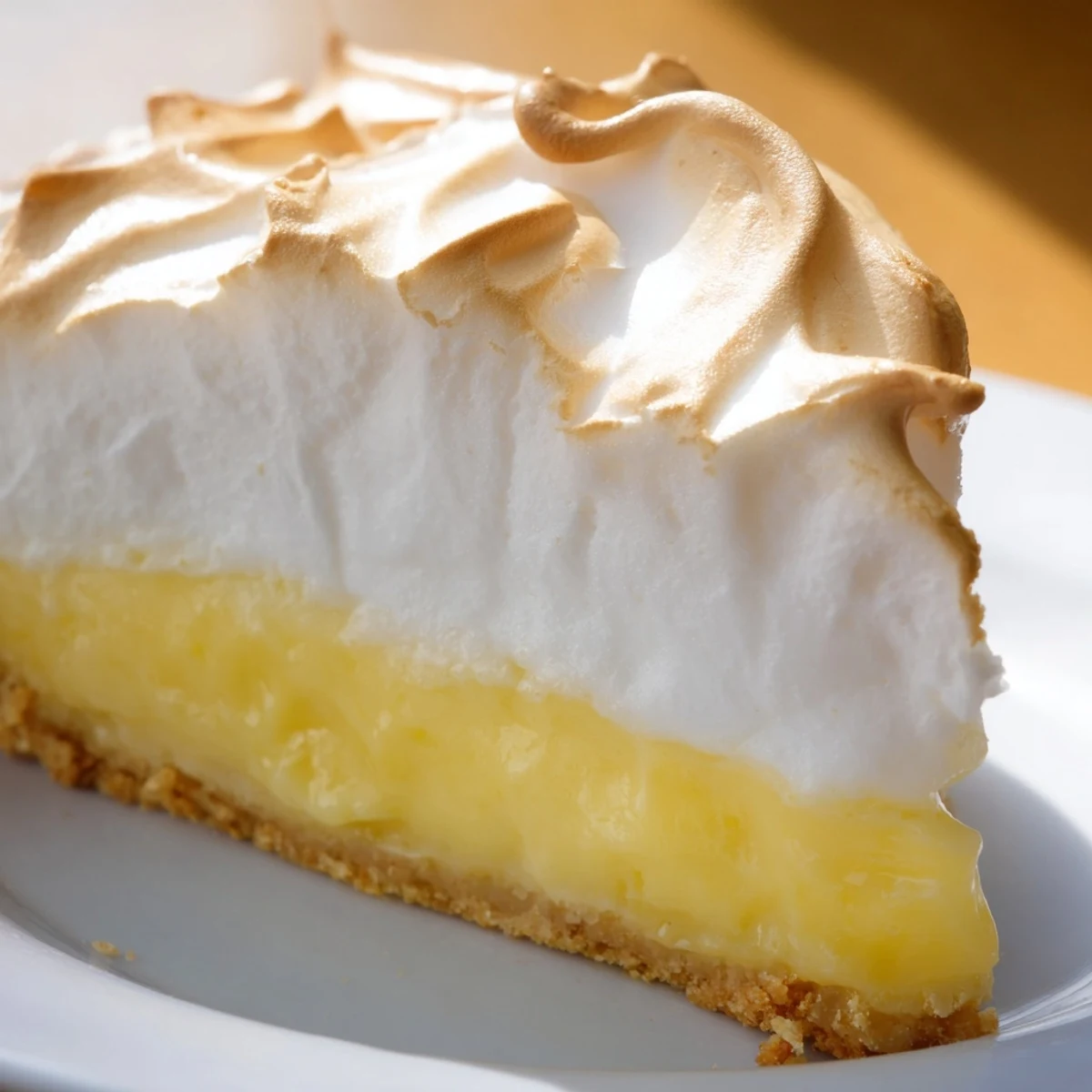
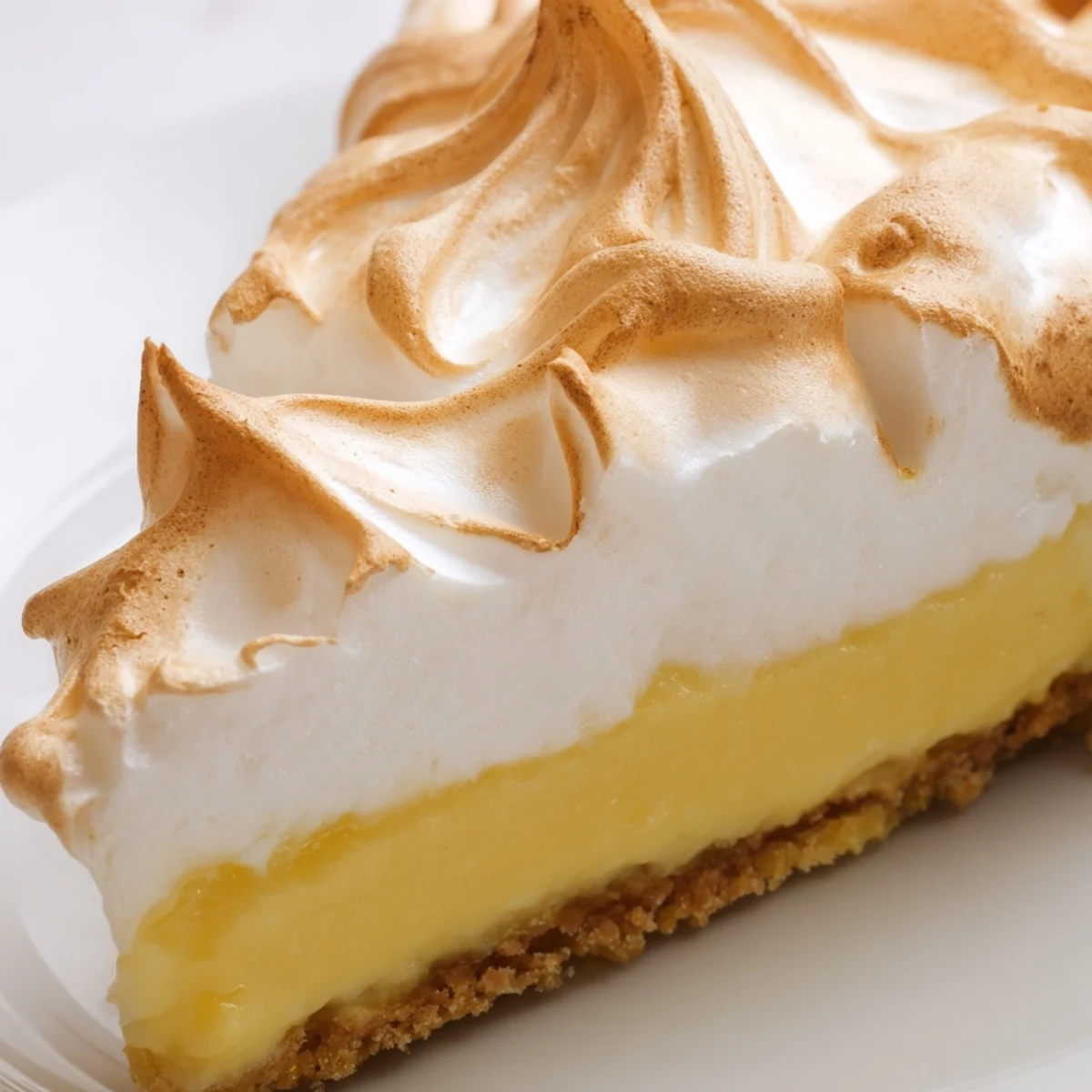
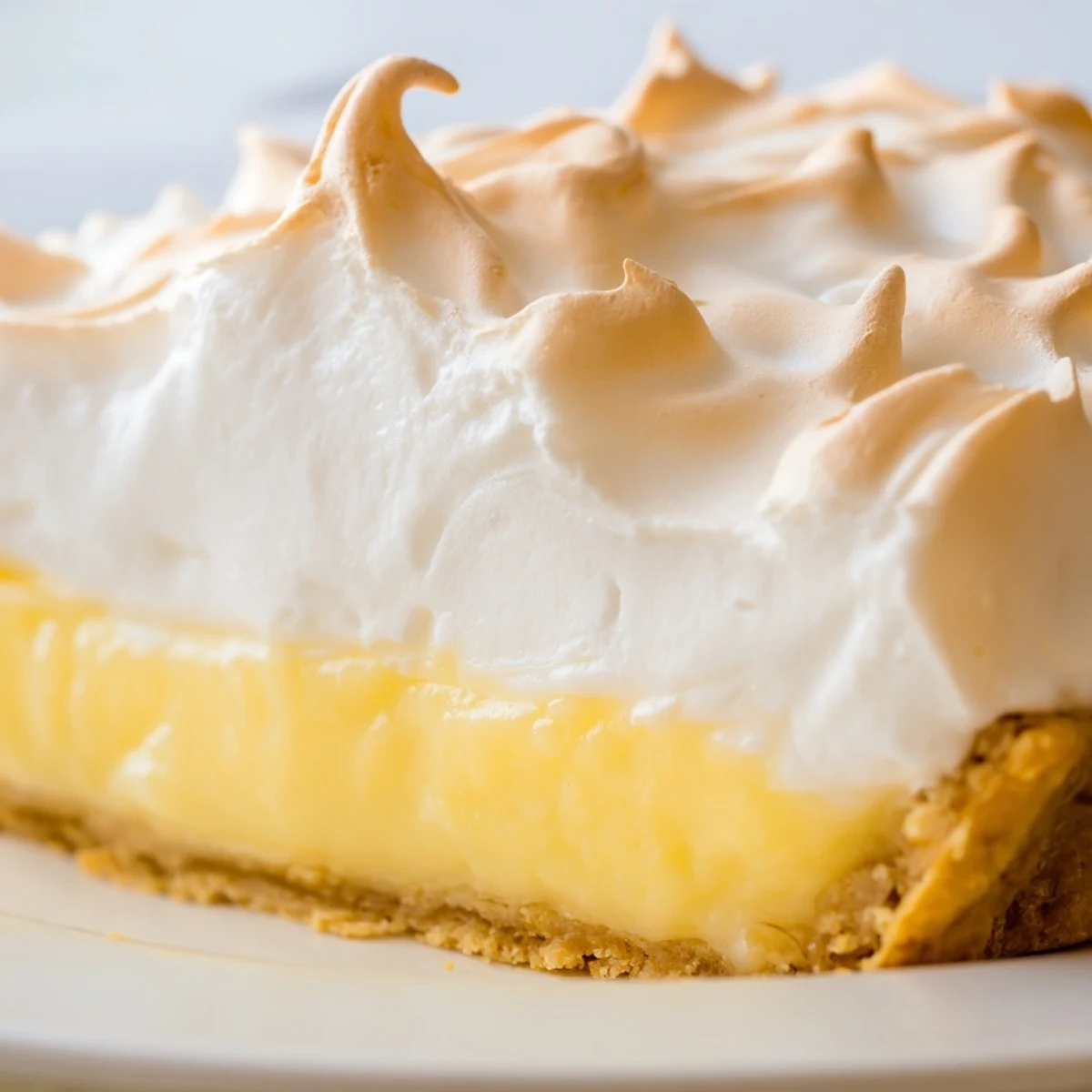
 This classic dessert features a crisp graham cracker crust layered with silky, tangy lemon filling and topped with pillowy, toasted meringue. The crust is baked briefly to achieve a golden texture before filling it with a smooth lemon custard prepared from fresh lemon juice, egg yolks, and butter. The fluffy meringue, made from whipped egg whites and sugar, seals the filling and browns beautifully during baking. After cooling and chilling, it slices cleanly and offers a delightful mix of tartness, sweetness, and creamy textures.
My grandmother had this lemon meringue pie on the dessert table at every summer gathering, and I spent more time watching the meringue brown in the oven than actually helping in the kitchen. Years later, I realized what I'd been missing: that perfect moment when you pull it out golden and crackling, when the kitchen smells so bright you'd swear you could see the lemon zest floating in the air. This version finally cracked the code—a graham cracker crust that stays crisp, a filling so silky it practically melts, and meringue that doesn't weep or shrink.
I made this for my partner's birthday last spring, and they kept sneaking tastes of the lemon filling before it even went into the crust. There's something about watching someone's eyes close when they taste that first spoonful—sharp citrus melting into sweetness, no artificial flavor in sight. That's when I knew this recipe had to be written down.
Ingredients
- Graham cracker crumbs: Use fresh ones if you can—stale crackers make the crust taste dull. A food processor makes quick work of them.
- Granulated sugar: This goes in two places, so don't skip measuring carefully.
- Unsalted butter: Melted and mixed with the crumbs creates a crust that actually holds together and doesn't taste greasy.
- Cornstarch: This is what gives the filling its silky texture without making it gluey or starchy tasting.
- Fresh lemon juice: Please don't use bottled—the difference is night and day, and you're only using about three lemons anyway.
- Lemon zest: The bright, fragrant oils in the zest do half the flavor work; don't skip it.
- Egg yolks and whites: Save every white for the meringue; even a speck of yolk will stop them from reaching stiff peaks.
- Cream of tartar: This helps stabilize the egg whites and keeps the meringue from breaking down as it bakes.
Instructions
- Toast the crust:
- Mix the graham cracker crumbs, sugar, and melted butter until it looks like wet sand, then press it firmly into the pie dish—don't be gentle, or it'll crumble when you slice. Bake it for 8 to 10 minutes until the edges smell toasted and turn golden; this keeps it crisp later.
- Build the base filling:
- Whisk sugar, cornstarch, and salt together first, then add water slowly so you don't end up with lumps. Heat it on medium, whisking often, until it thickens and bubbles; this should take about 5 minutes and it'll go from cloudy to clear as it cooks.
- Temper the yolks:
- This step prevents scrambled eggs in your pie—whisk the yolks in a separate bowl, then slowly pour in half the hot mixture while whisking constantly, then pour everything back into the pan. Cook for just 1 minute after that, stirring constantly.
- Finish the filling:
- Off heat, stir in the lemon juice, zest, and butter until the filling is smooth and glossy and smells incredible. Pour it into the crust and smooth the top with a spatula.
- Make the meringue:
- With clean beaters and a clean bowl (seriously, any grease stops egg whites dead), beat the whites with cream of tartar on medium-high speed until soft peaks form, then add sugar gradually while beating until the peaks are stiff and glossy. This takes about 5 minutes total and you'll feel it when it's right.
- Seal and swirl:
- Spread the meringue over the hot filling, making sure it touches the crust all the way around—this prevents the filling from shrinking away and leaving gaps. Use the back of a spoon to create little peaks and swirls, which brown more prettily than a smooth surface.
- Bake and cool:
- Bake at 350°F for 15 to 18 minutes until the meringue turns golden brown on the peaks. Let it cool completely to room temperature—this takes about an hour—then refrigerate for at least 2 hours before slicing so you get clean, neat pieces instead of a mess.
 Pin It
 I'll never forget the first time I served this to people who'd tasted a lot of lemon meringue pies, and they went quiet for a second before asking for seconds. That silence told me everything—sometimes the simplest things, done right, are the most powerful.
The Graham Cracker Crust Secret
Most lemon meringue pies come with a soggy crust because the filling sits on it for hours and softens everything. Pre-baking the crust is the move that changes everything; it sets the structure so the butter stays crisp even when moisture is introduced. I learned this after a failed attempt where I skipped this step and ended up with something that fell apart on the plate.
Fresh Lemon Juice Really Does Matter
Bottled lemon juice tastes thin and bitter compared to fresh, and since you're only squeezing three or four lemons, there's no excuse. I've made this with bottled juice to test it, and the filling tastes flat and one-note; with fresh juice, it has brightness and complexity that people actually notice. Zest the lemons before you squeeze them, and you've got everything you need in one ingredient.
Why This Works
The balance of sweet, tart, and richness in this pie comes from letting each component do its job perfectly. The filling is thickened with cornstarch instead of flour, which keeps it silky instead of starchy; the meringue is stabilized with cream of tartar so it holds its shape and browns evenly; and the crust is baked before filling so it doesn't absorb moisture and turn soggy.
- Make sure your mixing bowls and beaters are completely clean and dry before whipping the egg whites.
- If the meringue starts to weep liquid after baking, it means the filling wasn't hot enough when the meringue went on—keep that in mind for next time.
- This pie is best the day you make it, but it keeps refrigerated for up to 2 days if you cover it loosely with plastic wrap.
 Pin It
 This pie is one of those desserts that feels fancy but tastes like home, and that's exactly the point. Make it when you want to impress people without actually impressing yourself with complexity.
Recipe FAQs
- → How do I prevent the meringue from shrinking?
-
Ensure the meringue fully covers the lemon filling and touches the crust edges to seal it, preventing shrinkage during baking.
- → Can I make the graham cracker crust gluten-free?
-
Yes, substitute regular graham crackers with gluten-free ones to accommodate gluten-sensitive diets.
- → What is the best way to achieve stiff peaks for meringue?
-
Beat egg whites with cream of tartar on medium-high speed until soft peaks form, then gradually add sugar while continuing to beat until stiff, glossy peaks develop.
- → How long should the dessert chill before serving?
-
Chill for at least 2 hours after baking to allow the lemon filling to set and meringue to cool perfectly for clean slices.
- → Can I add extra flavor to the lemon filling?
-
Yes, adding ½ teaspoon of vanilla extract to the lemon filling enhances depth and aroma.