
 Pin It
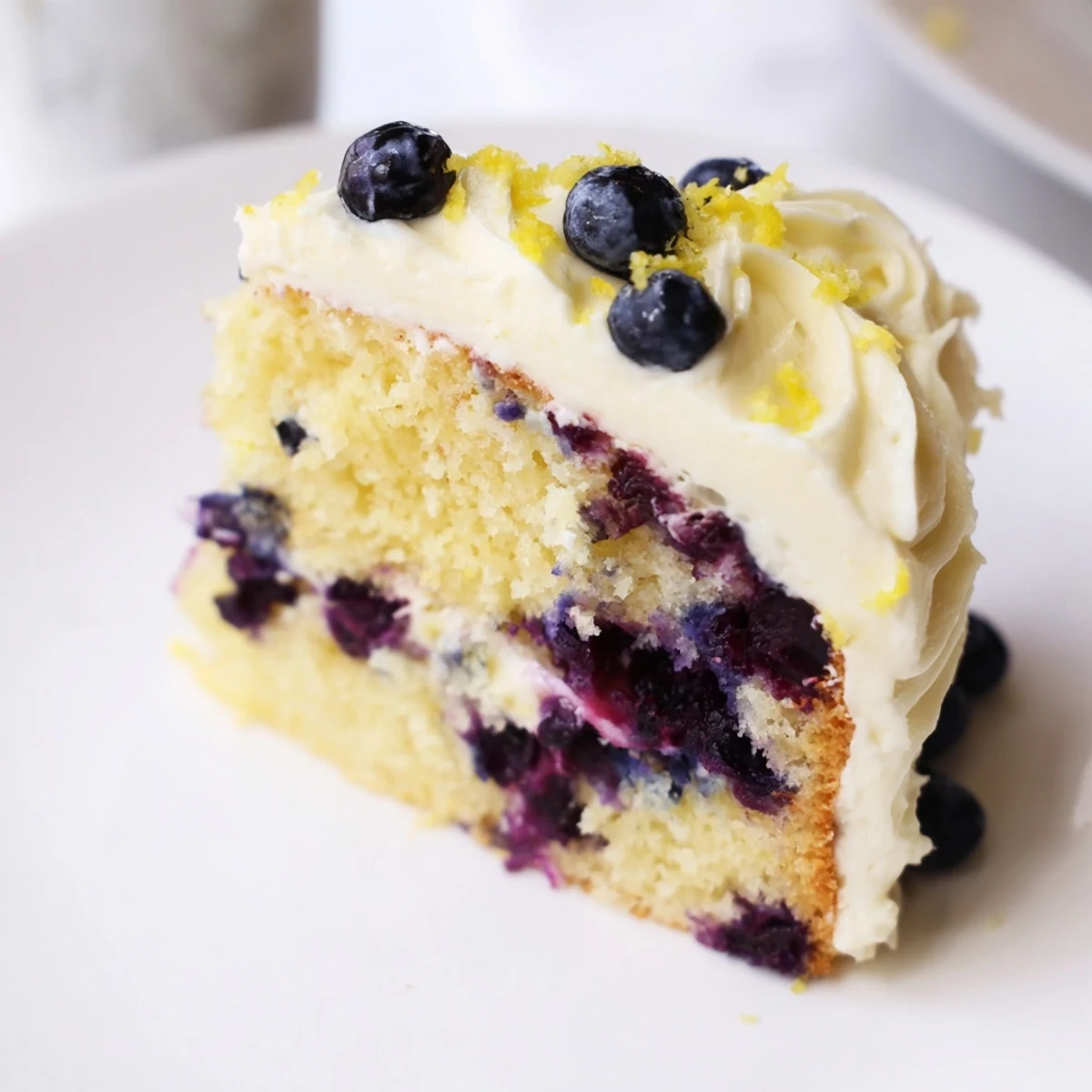
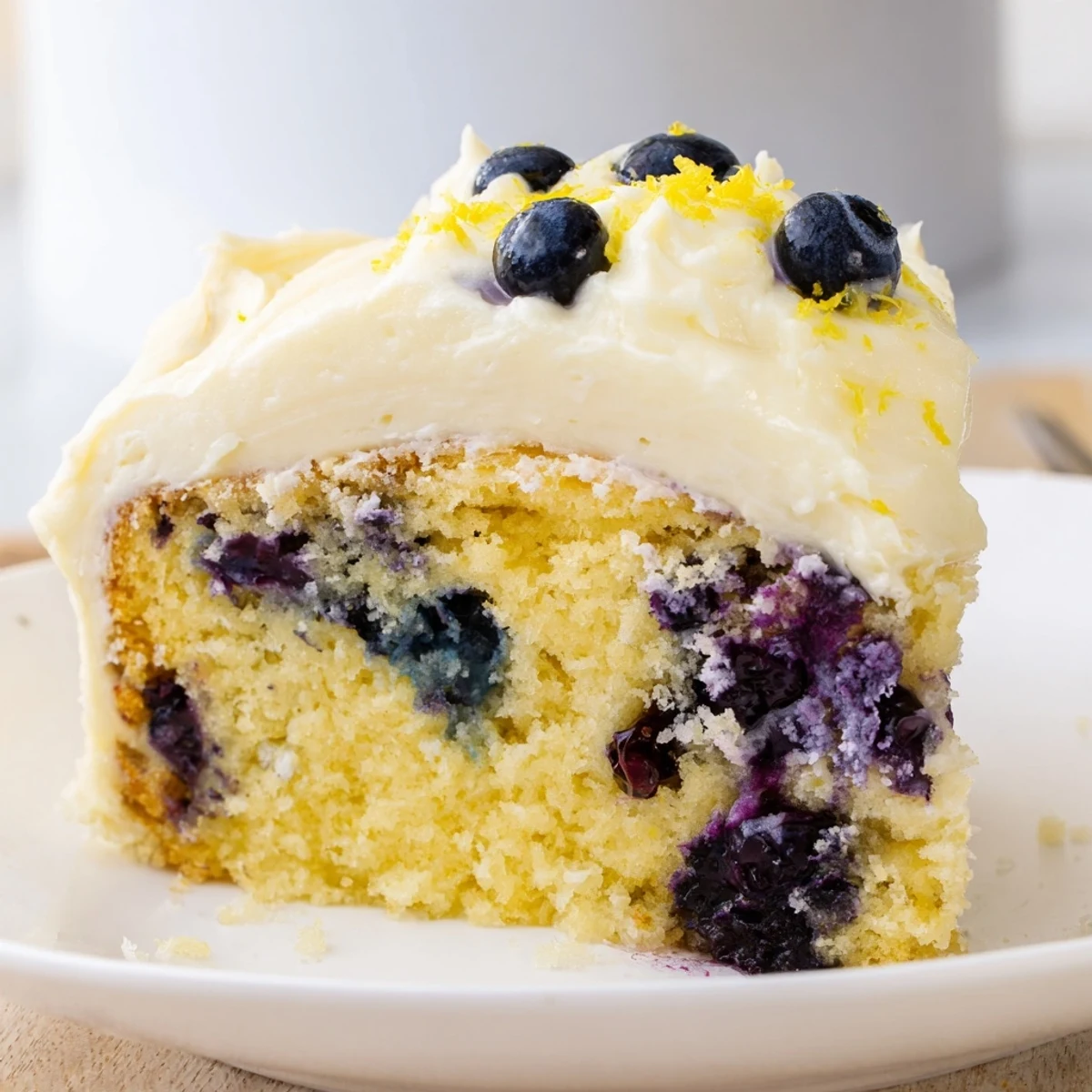
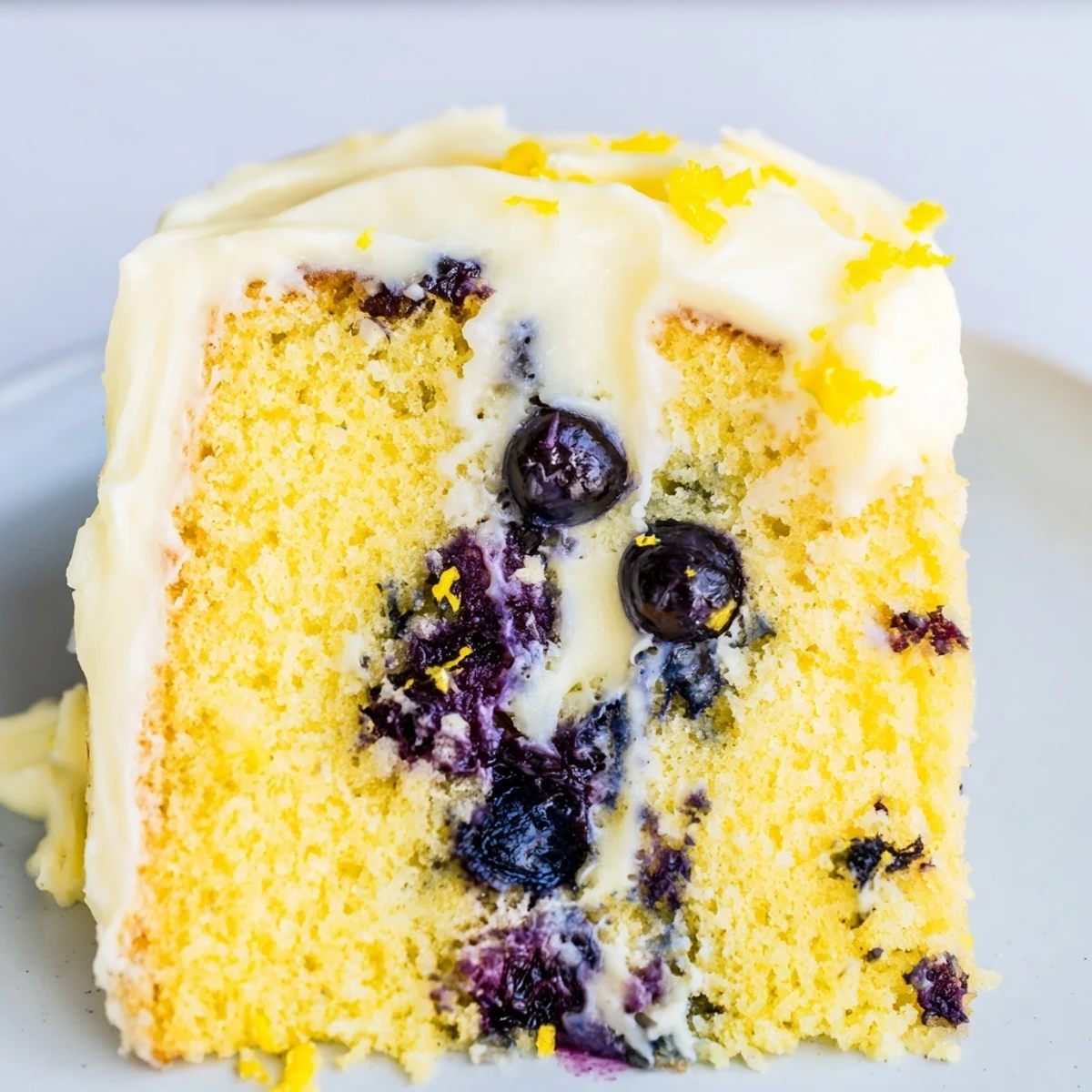
 This moist cake masterfully blends fresh blueberries with zesty lemon for a vibrant flavor profile. The batter combines all-purpose flour, baking powder, and softened butter, mixed with fresh lemon juice, zest, and whole milk for a delicate texture. Blueberries are gently folded in to retain their juiciness. Baked to golden perfection, it’s topped with a smooth, creamy lemon cream cheese frosting made by blending cream cheese, butter, powdered sugar, and lemon elements. Perfect for spring and summer gatherings, this dessert offers a refreshing balance of tart and sweet in every bite.
There's a moment every spring when I find myself standing in the kitchen, drawn almost magnetically to lemons and blueberries at the market. This cake arrived in my life during one of those restless afternoons—I wanted something bright enough to cut through the last stretch of gray weather, something that tasted like the season was actually changing. The first time I baked it, the aroma of lemon zest and melting butter filled the house so completely that my neighbor actually knocked on the door thinking I was running a bakery.
I made this for a small gathering last June, and I remember being nervous about whether it would actually hold together when I cut into it. My friend Sarah took the first bite and closed her eyes like she was listening to music, then immediately asked if I'd doctored it with some kind of magic. It became the kind of cake people ask about later—the one they remember when you see them months down the road.
Ingredients
- All-purpose flour (2 cups): This is your structure—don't skimp on measuring by weight if you can, because baking powder and soda need that precision to do their jobs.
- Baking powder and baking soda (2 tsp and ½ tsp): Together they give the cake its tender crumb and that slight tang that makes the lemon sing.
- Salt (¼ tsp): A pinch here doesn't make the cake taste salty; it actually deepens all the other flavors.
- Unsalted butter (½ cup): Softened, not melted—this is what makes the frosting creamy and the cake delicate.
- Granulated sugar (1 cup): When beaten with butter, it creates those tiny air pockets that make the cake light rather than dense.
- Eggs (2 large): Room temperature if possible; cold eggs make the batter split and grainy.
- Vanilla extract (1 tsp): Just a whisper of it—you want the lemon to be the star.
- Lemon zest and juice: This is where the cake gets its soul; use fresh lemons and zest them before you juice, because the oils in that zest matter more than you'd think.
- Whole milk (½ cup): The acidity in the batter needs something to work against; whole milk contributes richness.
- Fresh blueberries (1 ½ cups): That tablespoon of flour tossed with them prevents them from sinking to the bottom—learned that the hard way once.
- Cream cheese and butter for frosting (8 oz and ¼ cup): Both should be softened to room temperature so they blend into something smooth and luxurious.
- Powdered sugar (2 cups): Sifted, which feels fussy but prevents lumps that catch between your teeth.
Instructions
- Set yourself up for success:
- Preheat the oven to 350°F, and grease your pan with the kind of attention you'd give to something you actually care about. Line it with parchment if you're nervous about sticking—there's no shame in that.
- Build your flour mixture:
- Whisk together the flour, baking powder, baking soda, and salt in a bowl. This distributes the leavening evenly so you don't end up with bitter pockets of baking soda taste.
- Cream the butter and sugar:
- Beat them together for about two to three minutes until the mixture looks pale and fluffy, almost like mousse. This is where the magic happens—you're incorporating air that will make the cake tender.
- Introduce the eggs slowly:
- Add one egg at a time, letting each one fully blend before adding the next. If you rush this, the batter gets grainy and the cake turns out dense.
- Add the flavor:
- Stir in the vanilla extract and lemon zest, letting them distribute throughout before moving forward. The zest oils need a moment to wake up in the butter.
- Alternate wet and dry:
- Add half the flour mixture, then the lemon juice and milk, then the rest of the flour, mixing gently until everything just comes together. Overmixing at this point develops gluten and toughens the cake.
- Fold in the blueberries:
- Toss them first with that tablespoon of flour, then gently fold them into the batter so they're distributed but not crushed. Use a spatula and fold from the bottom up, being gentle.
- Bake until it springs back:
- Pour the batter into your prepared pan, smooth the top, and bake for thirty to thirty-five minutes. A toothpick inserted in the center should come out clean—if there's wet batter on it, give it a few more minutes.
- Cool with patience:
- Let the cake rest in the pan for ten minutes so it sets up, then turn it out onto a wire rack to cool completely. Trying to frost a warm cake is a recipe for disaster.
- Make the frosting:
- Beat the softened cream cheese and butter until smooth, then gradually add the powdered sugar, lemon juice, and zest. The gradual addition prevents lumps and over-mixing.
- Finish with care:
- Once the cake is completely cool, spread the frosting over the top and sides with a spatula or small offset knife. Garnish with extra blueberries and lemon zest if you want it to look as good as it tastes.
 Pin It
 I'll never forget the quiet moment when my mother tasted this cake for the first time at my kitchen table. She said it reminded her of a lemon drizzle cake she'd had in London decades ago, and suddenly this wasn't just a cake I'd baked—it became a bridge between her memory and mine. That's when I understood why certain recipes matter.
Why Fresh Lemon Matters Here
Bottled lemon juice tastes sharp and one-dimensional compared to what you get when you zest and juice a fresh lemon yourself. The oils in the zest contain volatile compounds that disappear quickly, so zesting just before you bake makes a real difference. I learned this after making the cake with bottled juice once and tasting how flat it turned out—never again.
The Blueberry Question
Fresh blueberries are ideal, but I've made this cake with frozen ones on a rainy February afternoon when fresh seemed impossible. The frozen berries actually hold their shape better and don't stain the batter, though you'll miss that slight tartness that makes the cake feel brighter. The key is to never thaw them—bake them straight from the freezer and adjust the baking time by a minute or two if needed.
Storage and Serving Wisdom
This cake actually improves after a day or two as the flavors settle and the crumb becomes even more moist. Store it covered in the refrigerator for up to three days, and let it come to room temperature before serving if you want the frosting to taste creamy rather than cold. It pairs unexpectedly well with Earl Grey tea or a glass of chilled Prosecco, if you're looking for an excuse to make it on a Tuesday afternoon.
- If you're doubling the recipe for a layer cake, bake in two pans at the same time to ensure they're level and evenly done.
- A small offset spatula makes frosting easier, but a regular knife works fine if you take your time and dip it in warm water between strokes.
- Extra fresh blueberries and lemon zest on top aren't just decoration—they remind you why you made the cake in the first place.
 Pin It
 This cake has become my answer to almost every occasion that feels like it needs something a little brighter. It's the kind of recipe that rewards you for taking your time and paying attention, and that's exactly what good baking should feel like.
Recipe FAQs
- → How do I keep blueberries from sinking in the batter?
-
Toss fresh blueberries with a tablespoon of flour before folding them gently into the batter to help them stay evenly distributed during baking.
- → Can I use frozen blueberries instead of fresh?
-
Yes, frozen blueberries can be used directly without thawing to help prevent excess moisture from affecting the texture.
- → What is the best way to achieve a moist texture?
-
Using both lemon juice and whole milk in the batter adds moisture, while creaming butter and sugar thoroughly ensures a light, tender crumb.
- → How should I store leftovers?
-
Cover and refrigerate leftovers for up to three days to maintain freshness and prevent the frosting from spoiling.
- → What tools are necessary for this preparation?
-
Essential tools include mixing bowls, an electric mixer or stand mixer, a 9-inch round baking pan, measuring cups/spoons, a spatula, and a cooling rack.