
 Pin It
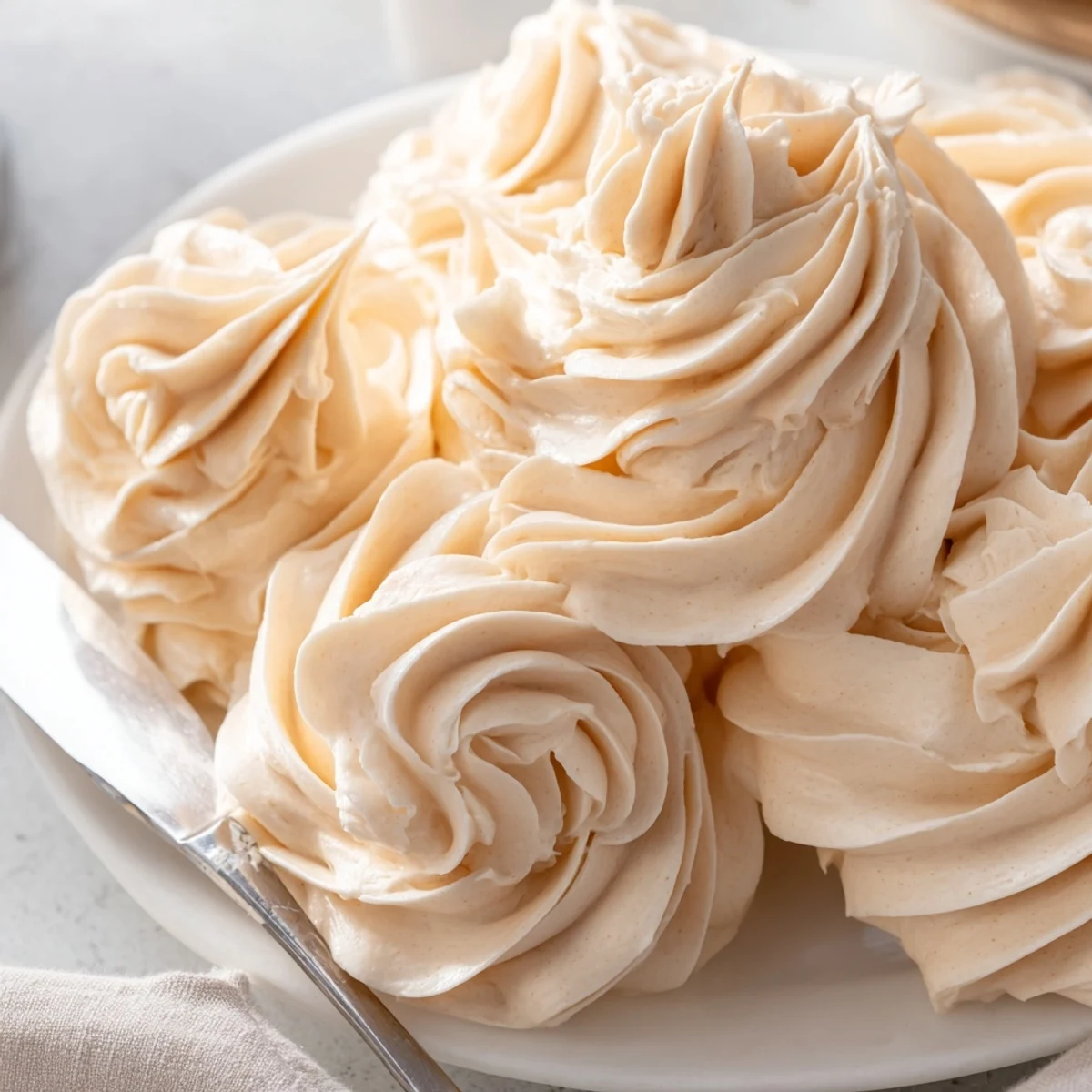
 This Italian meringue buttercream delivers a silky, luxurious texture that elevates any cake or cupcake. By slowly drizzling hot sugar syrup into whipped egg whites, you create a stable, glossy meringue foundation.
The key lies in patience — whipping the meringue until completely cool before gradually incorporating room temperature butter. The mixture may look curdled briefly, but continued mixing produces a velvety smooth finish.
Flavor it with vanilla, espresso, chocolate, or fruit purees. Store covered in the fridge for up to five days, then bring to room temperature and re-whip before using.
My stand mixer has been through some battles, but nothing tested my nerve quite like the afternoon I decided to tackle Italian meringue buttercream for my sisters wedding shower cake. The kitchen smelled like warm sugar and possibility, and somewhere between the syrup hitting 240 degrees and the butter cubes disappearing into that cloud of white gloss, I realized I had been holding my breath for ten minutes straight. The result was a frosting so impossibly silky that my sister dipped her finger in the bowl twice before the cake even saw a spatula. It has been my go to for every celebration since.
I made a double batch for a friends birthday last winter and ended up with frosting everywhere: on my apron, on the cat, on the cabinet handles. Nobody complained once they tasted it.
Ingredients
- Granulated sugar (200 g): The foundation of your syrup, so use plain white sugar for the cleanest result.
- Water (60 ml): Just enough to help the sugar dissolve before it caramelizes.
- Large egg whites, room temperature (4): Cold whites will not whip properly, so plan ahead and let them sit out for thirty minutes.
- Cream of tartar (1/4 tsp, optional): Stabilizes the whites and gives you a wider margin of error.
- Fine sea salt (1/8 tsp): A tiny pinch keeps the sweetness from becoming one dimensional.
- Unsalted butter, room temperature and cubed (340 g): This is the heart of the buttercream, so use good quality butter and make sure it is truly soft but not melting.
- Vanilla extract (1 tsp): Adds warmth and rounds out the flavor beautifully.
Instructions
- Make the sugar syrup:
- Combine the sugar and water in a small saucepan over medium heat, swirling gently until the sugar dissolves completely. Clip on your candy thermometer and watch it climb to 115 degrees Celsius without stirring.
- Start the meringue:
- In a spotlessly clean mixer bowl, start whipping the egg whites, cream of tartar, and salt on medium speed until soft peaks form. Time this so the whites are ready right as the syrup hits temperature.
- Bring them together:
- With the mixer running on medium high, slowly drizzle the hot syrup into the whites in a thin stream, aiming for the side of the bowl rather than the whisk. The meringue will puff up and turn glossy.
- Whip until cool:
- Crank the speed to high and keep whipping until the bowl feels completely cool to the touch and the meringue holds stiff, shining peaks, roughly seven to ten minutes.
- Add the butter:
- Drop the speed to medium and add the butter cubes a few at a time, waiting for each batch to disappear before adding more. The mixture will probably look curdled and horrifying at some point, but trust the process and keep going until it turns silky.
- Finish with vanilla:
- Pour in the vanilla and whip just long enough to blend it through evenly.
 Pin It
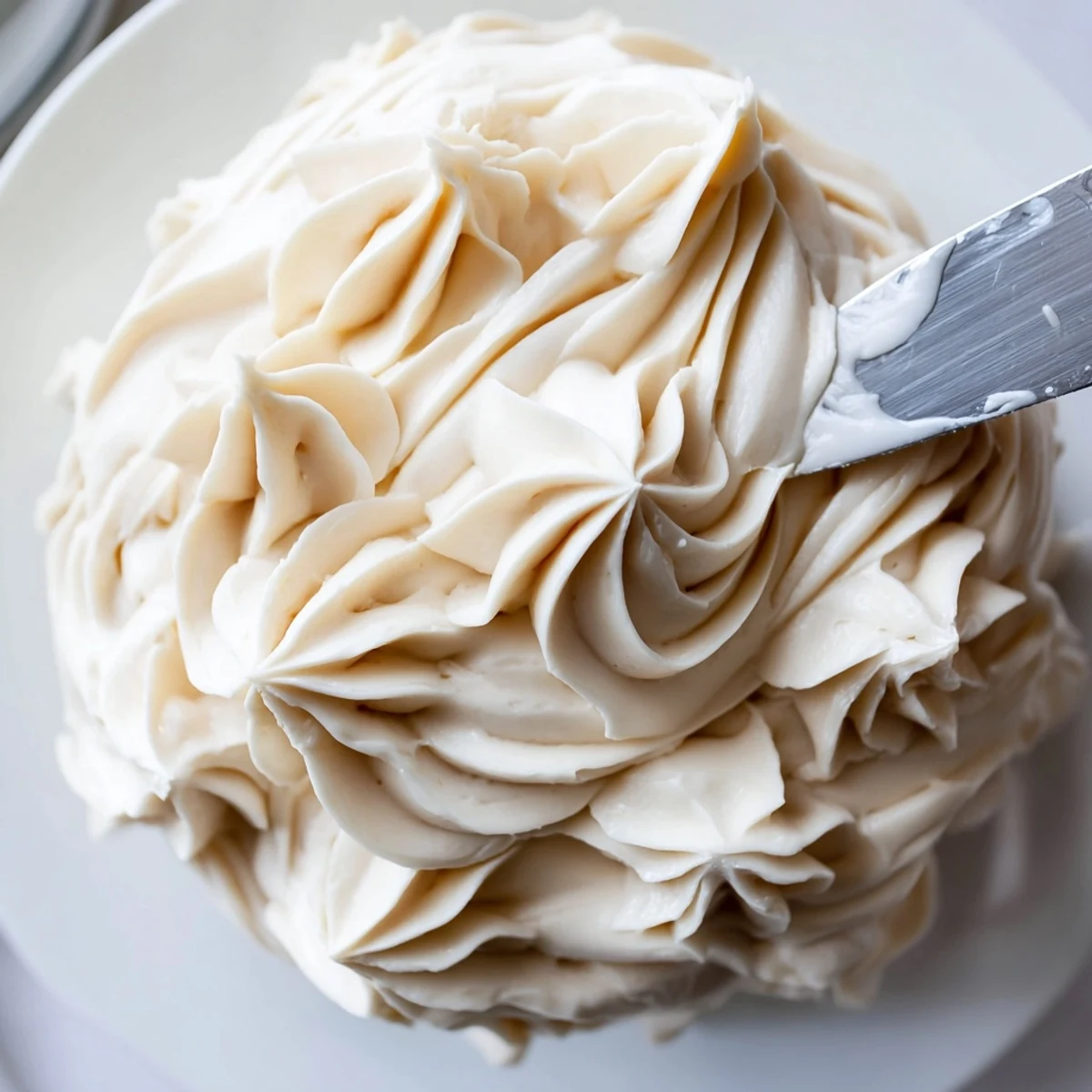
 The moment the buttercream transformed from a lumpy mess into that cascading ribbon of satin, I actually laughed out loud in my empty kitchen.
Flavor Variations Worth Trying
Once you have the base down, this buttercream is endlessly adaptable. Fold in espresso powder for a mocha vibe, add melted and cooled dark chocolate for a rich variation, or swirl in fruit puree for something bright and tangy.
Storing and Reusing Leftovers
This buttercream keeps beautifully in the fridge for up to five days if covered tightly. Just let it come to room temperature and give it a quick rewhip before using, and it will be as good as new.
Pairing Ideas for Your Cake
This frosting shines brightest when paired with cakes that let its elegance stand out.
- Light sponge or chiffon cakes provide the perfect neutral canvas.
- Fresh berries between the layers add a tart contrast that balances the richness.
- A squeeze of lemon or orange zest in the batter plays beautifully with the creamy frosting.
 Pin It
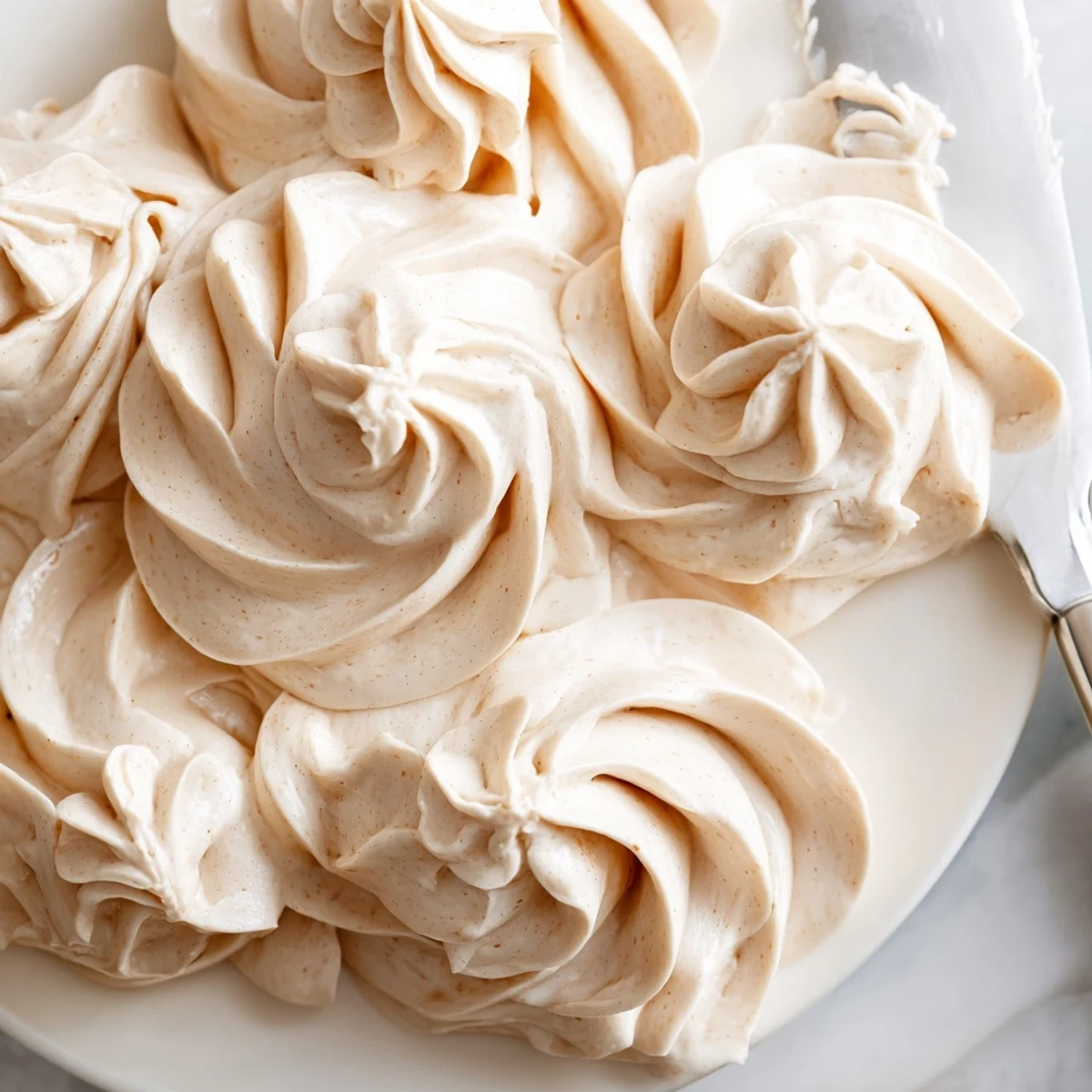
 Every time I make this buttercream, I feel like I have conquered something difficult and delicious, and the cake on the receiving end becomes the proof.
Recipe FAQs
- → Why does my buttercream look curdled or soupy?
-
This is completely normal. When butter meets warm meringue, the mixture can appear separated or runny. Simply keep whipping — it will emulsify into a silky, smooth buttercream within about five minutes.
- → Can I make Italian meringue buttercream ahead of time?
-
Yes, it stores well covered in the refrigerator for up to five days. Before using, let it come to room temperature and re-whip until smooth and spreadable again.
- → What temperature should the butter be?
-
Butter must be at room temperature and soft enough to hold a thumb indentation. Cold butter will cause the meringue to seize, while melted butter breaks the emulsion. Cut it into cubes before adding for even incorporation.
- → Why did my meringue deflate or turn grainy?
-
Any trace of grease or yolk in the bowl or whisk can prevent egg whites from reaching full volume. Ensure all equipment is spotlessly clean and grease-free. Also confirm the sugar syrup reached the correct 115°C (240°F) temperature.
- → How can I flavor this buttercream?
-
Add flavorings once the buttercream is fully emulsified and smooth. Espresso powder, melted cooled chocolate, citrus zest, or fruit purees all work beautifully. Start with small amounts and taste as you go.
- → What cakes pair best with Italian meringue buttercream?
-
Light sponge cakes, vanilla or lemon cake, and berry-flavored cakes are excellent choices. The silky, less-sweet nature of this buttercream balances particularly well with fresh fruit and citrus desserts.