
 Pin It
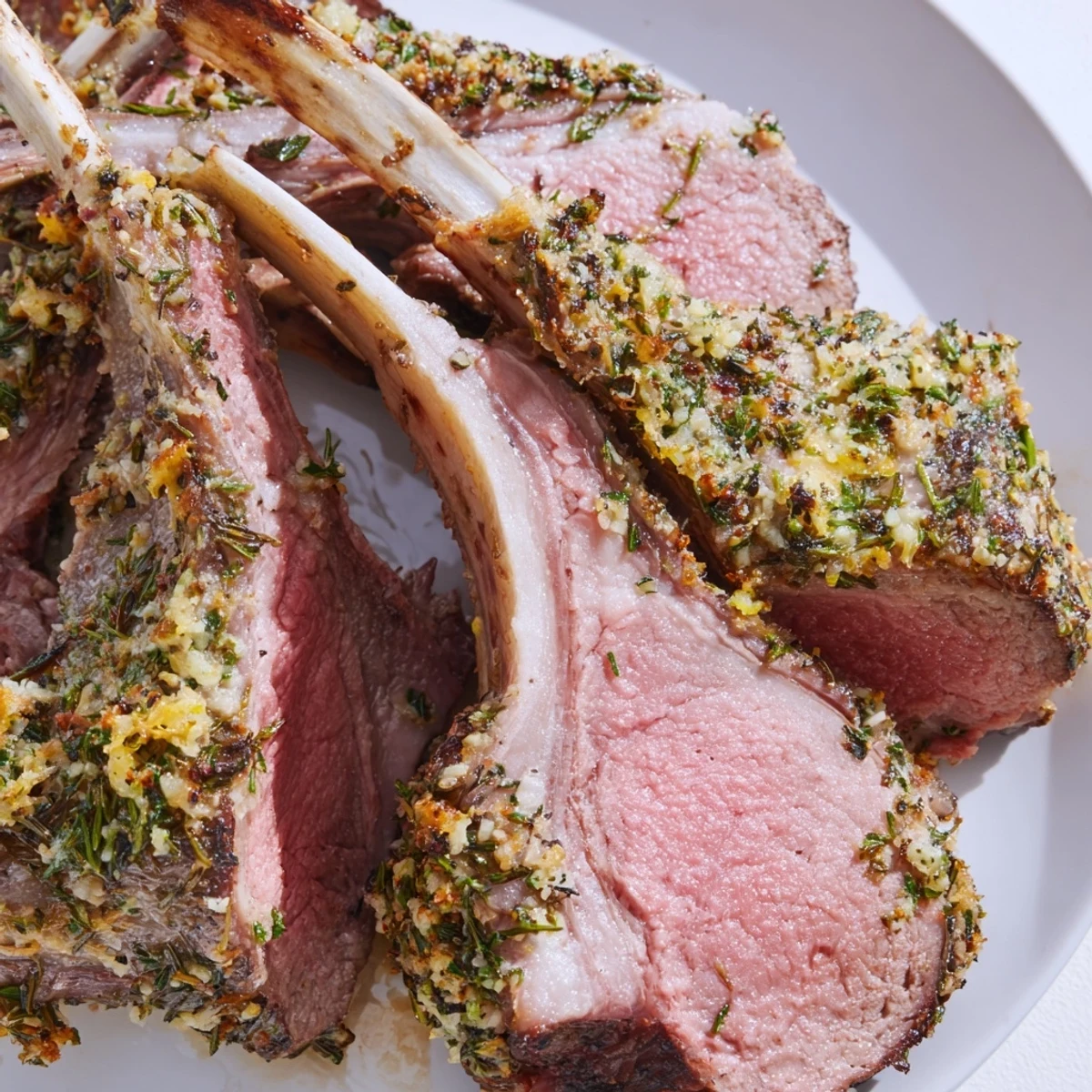
 This dish features a rack of lamb seasoned with salt and pepper, seared to lock in juices, then coated with a flavorful blend of Dijon mustard, garlic, rosemary, parsley, thyme, and lemon zest. Roasted at 400°F until medium-rare, it offers a crisp herb crust and tender interior. Resting before slicing ensures juicy, flavorful chops perfect for an elegant meal.
Enhance with lemon wedges and extra herbs for garnish. Ideal served alongside roasted vegetables or a fresh green salad, it embodies classic French culinary flair with simple, fresh ingredients.
The first time I really understood lamb was when a friend insisted on cooking it at her place, and the kitchen filled with this sharp, herbaceous smoke that made everything smell expensive. She seared a rack in cast iron, and I watched the fat render into golden pools while she talked about a trip to Provence where she'd eaten lamb under the stars. That moment stuck with me—not just the food, but how she moved around the kitchen with such certainty, brushing that mustard and herb mixture on like she was painting something precious.
I made this for four people on a random Tuesday, nervous about whether I could pull it off since lamb can feel intimidating. But something about the sizzle when I put that rack in the hot skillet, the way the mustard-herb crust clung to the meat as it roasted—it all came together so naturally that I stopped worrying. Everyone at the table got quiet for a moment when they took their first bite, and that's when I knew this was the recipe I'd come back to again and again.
Ingredients
- Rack of lamb (about 8 ribs, 1.5–2 lbs): This is your star, so choose one with a good fat cap—that's where the flavor lives and where the crust gets crispy in the oven.
- Dijon mustard (2 tablespoons): Not just a binder; it adds a tangy depth that makes the lamb taste more like itself, plus it helps lock in moisture.
- Fresh rosemary, parsley, and thyme (2 tablespoons each, finely chopped): Don't skip the fresh herbs or use dried as a substitute—they're what make this taste like you know what you're doing.
- Garlic (2 cloves, minced): Small enough to disappear into the crust but loud enough to matter in every bite.
- Lemon zest (from 1 lemon): This brightens everything and prevents the dish from feeling heavy.
- Olive oil (2 tablespoons total): One tablespoon for searing, one for mixing into the herb paste so it becomes spreadable and clings to the meat.
- Salt and pepper: Season generously before searing—this is your only chance to season the lamb itself.
Instructions
- Get your oven ready and dry your lamb:
- Preheat to 400°F. Pat the rack completely dry with paper towels—this is non-negotiable if you want a proper sear. Season generously all over with salt and pepper, getting in between the ribs.
- Sear the lamb until it's golden brown:
- Heat 1 tablespoon of olive oil in your ovenproof skillet over medium-high heat until it shimmers. Place the lamb fat-side down and let it sit for 2–3 minutes without moving it—listen for the sizzle, watch for the browning. Flip carefully and sear the other side for 1–2 minutes, then set aside.
- Make your herb crust:
- Mix the mustard, remaining olive oil, minced garlic, rosemary, parsley, thyme, and lemon zest in a small bowl until it looks like a thick paste. This should smell incredible.
- Coat the lamb generously:
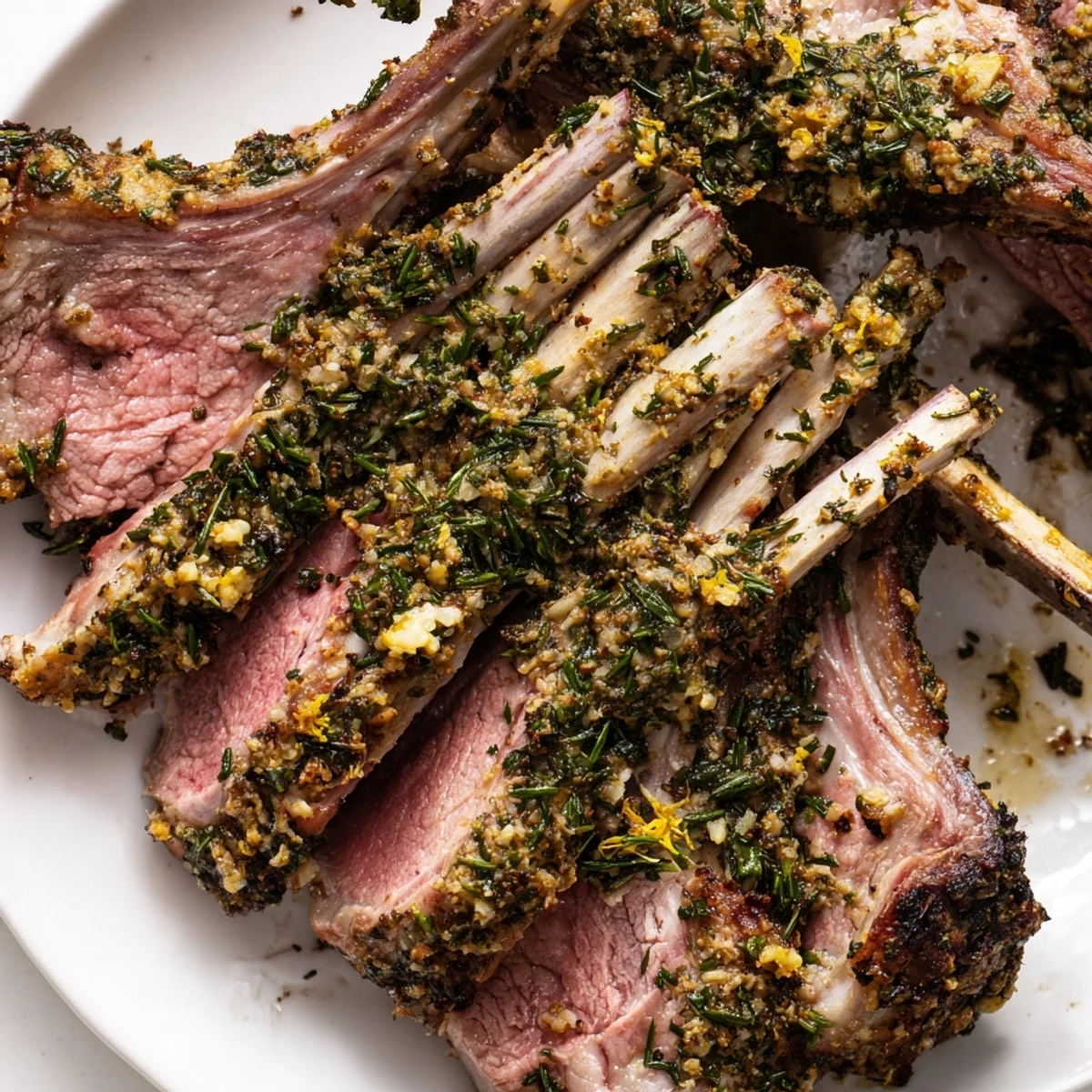
- Brush the herb mixture all over the seared lamb, pressing gently so it adheres to the meat and fills the spaces between the ribs. Don't be shy—this crust is what makes the dish.
- Roast until perfectly pink inside:
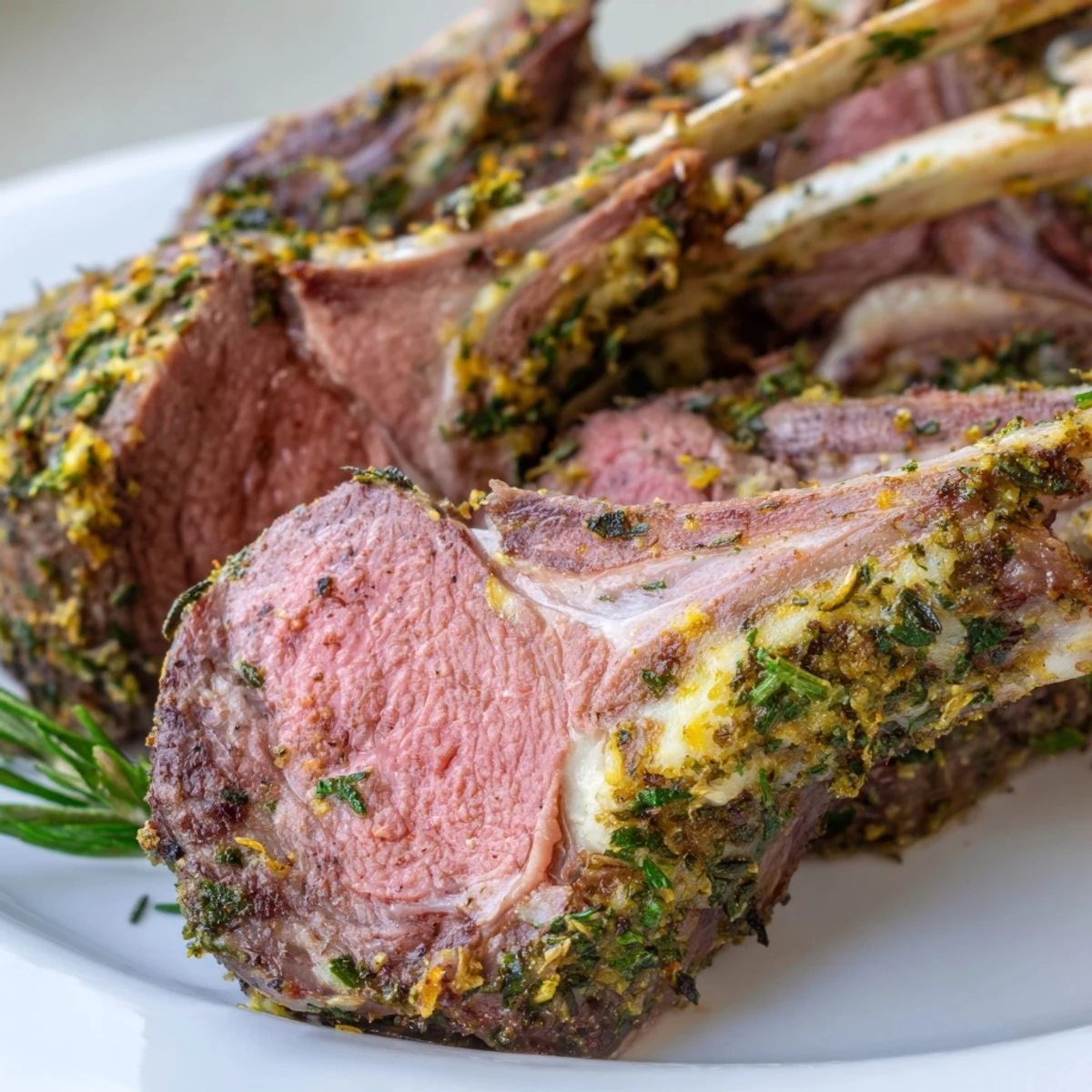
- Return the skillet to the preheated oven and roast for 15–20 minutes, checking the internal temperature with a meat thermometer (130–135°F for medium-rare). The crust should deepen in color and become fragrant.
- Rest before you slice:
- Remove the skillet and tent the lamb loosely with foil. Let it rest for 10 minutes—this keeps the juices from running all over your plate and makes every bite tender.
- Slice and serve:
- Using a sharp knife, slice between the ribs to create individual chops. Garnish with fresh lemon wedges and extra herbs if you like, then serve immediately while everything is still warm.
 Pin It
 I remember my mom tasting this version and saying it was restaurant-quality, which meant everything because she doesn't compliment food lightly. It was that moment when I realized this recipe wasn't just about technique—it was about understanding that lamb deserves respect, that fresh herbs and good searing are a conversation between you and the ingredient, and that feeding people something this good is its own kind of love language.
Why the Crust Works
The mustard does three things at once: it browns beautifully in the oven, it adds a subtle tang that lifts the lamb's flavor, and it acts like an edible adhesive that keeps those fresh herbs right where they belong instead of falling off onto the pan. The herbs themselves—rosemary, parsley, and thyme together—create this herbaceous shield that keeps the meat moist while adding complexity. The lemon zest ties everything together, adding brightness that prevents richness from becoming heavy, which is why people who claim they don't usually like lamb will ask for seconds.
Serving and Pairing Ideas
This dish doesn't need much—a simple side of roasted vegetables or creamy potatoes is perfect, because the lamb crust is really the star. A green salad with vinaigrette cuts through the richness beautifully, or roasted asparagus with garlic lets the lamb stay center stage. For wine, a Bordeaux or Pinot Noir is traditional for a reason, but honestly, anything you enjoy drinking works because the brightness of the lemon and herbs makes this pair well with most reds.
Make It Your Own
This recipe is forgiving enough to make your own once you understand the formula. Different herbs work too—mint is stunning if you want something brighter, or oregano and basil if you're leaning Mediterranean. Some people swear by adding a tablespoon of ground nuts like pistachios or almonds to the herb mixture for extra texture and richness, pressed into the crust just before roasting. The mustard is negotiable too—grainy mustard adds texture, whole grain adds a sweet earthiness, or even a touch of honey mustard if you want something slightly sweet. The technique stays the same; the expression changes.
- Toast your nuts lightly before grinding them if you go that route—it deepens the flavor significantly.
- Double-check that your mustard brand is gluten-free if you need to serve guests with that restriction.
- Always use a meat thermometer; eyeballing lamb doneness is how people end up disappointed.
 Pin It
 This is the recipe I reach for when I want to feel like a real cook, and it never lets me down. It's become the meal that tells people I care enough to do something a little fancy, without the stress that usually comes with that territory.
Recipe FAQs
- → How do I achieve a crispy herb crust?
-
For a crispier crust, lightly sprinkle gluten-free panko or crushed nuts over the mustard-herb mixture before roasting.
- → What internal temperature ensures medium-rare lamb?
-
Roast the lamb until it reaches an internal temperature of 130–135°F (54–57°C) for medium-rare doneness.
- → Can I prepare this dish ahead of time?
-
You can sear and coat the lamb in the herb mixture in advance, then refrigerate until ready to roast for best freshness.
- → What sides pair well with herb crusted rack lamb?
-
Roasted vegetables, potato gratin, or a simple green salad complement the flavors and texture beautifully.
- → Is this dish suitable for gluten-free diets?
-
Yes, the ingredients are gluten-free as listed, but check the mustard brand for gluten if highly sensitive.