
 Pin It
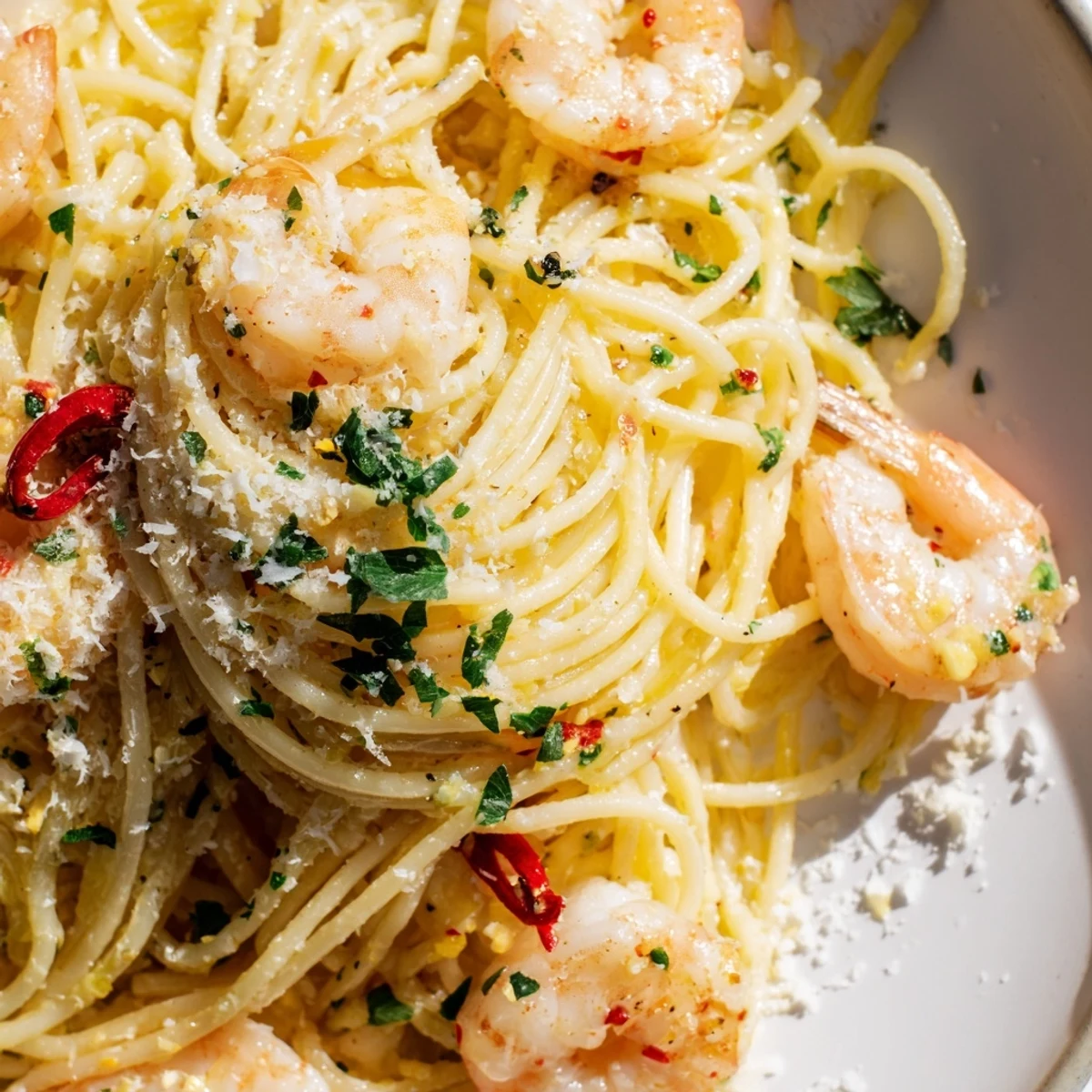
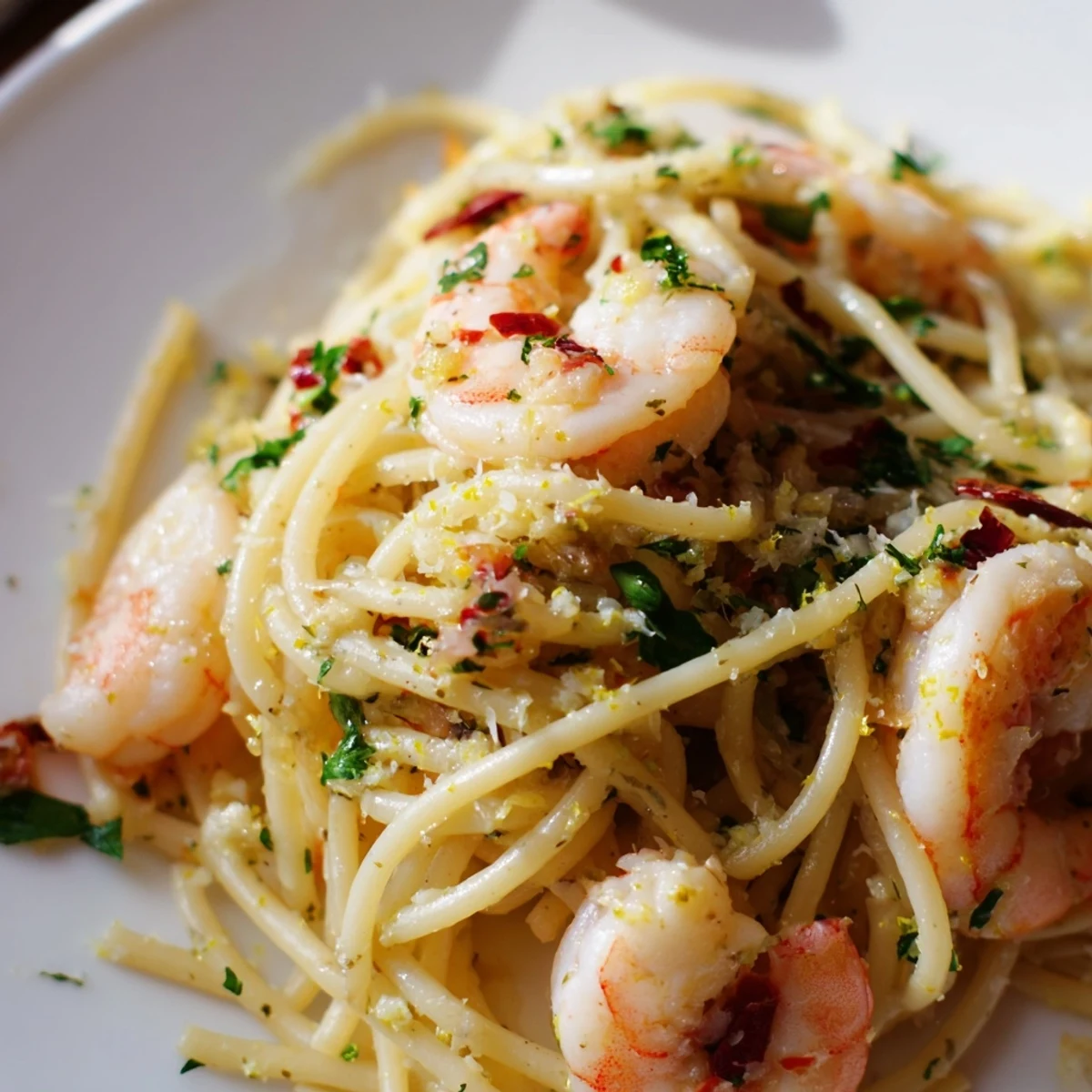
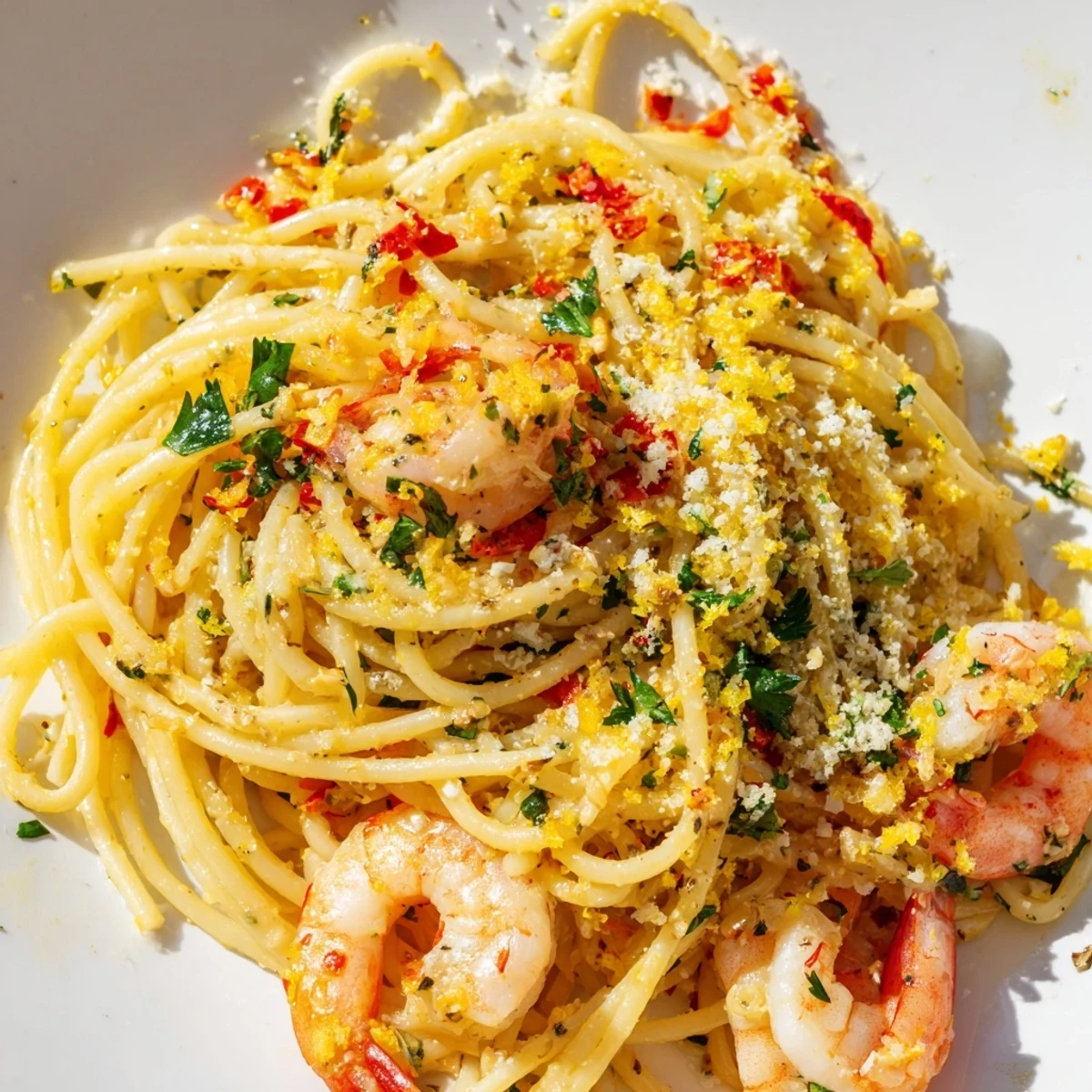
 This dish pairs succulent shrimp with a garlic and chili-infused butter sauce, tossed with perfectly cooked spaghetti. Bright notes from lemon zest and juice complement the rich, spicy flavors, while fresh parsley adds a vibrant finish. Quick to prepare, it combines simple ingredients for a flavorful seafood meal that's both satisfying and aromatic. Ideal for a weeknight dinner, it marries tender shellfish with zesty, buttery pasta in every bite.
There's a night I can't quite shake from memory when my neighbor showed up at my door with a basket of oversized shrimp from the fish market and insisted I do something interesting with them. I'd never cooked shrimp at home before, just ordered it at restaurants, but standing there with butter melting in a hot pan and garlic filling the kitchen with that irresistible golden smell, I understood why people obsess over this dish. Thirty minutes later, we were twirling silky strands of spaghetti around our forks, the heat from the chili making us reach for water, laughing at how something so simple could feel so celebratory.
I made this for someone who claimed to hate seafood, and watching their expression shift after the first bite was worth every minute at the stove. They went back for seconds without thinking, then asked for the recipe, which honestly felt like the highest compliment possible.
Ingredients
- Spaghetti or linguine (350 g): Thin, delicate pasta clings to the buttery sauce better than thicker shapes, and it finishes cooking right around the same time your shrimp does.
- Large raw shrimp (500 g): Buy them peeled and deveined if you can; your hands will thank you, and you're paying for convenience that's genuinely worth it.
- Unsalted butter (4 tablespoons): This is where the richness lives, so don't skip it or substitute it—real butter matters here.
- Olive oil (3 tablespoons): The combination of butter and oil prevents the butter from burning while keeping the garlic from scorching.
- Garlic (5 cloves, minced): Mince it fresh and fine; jarred garlic turns bitter when it hits hot oil, which I learned the expensive way.
- Red chilies or red pepper flakes (1–2 small): Fresh chilies give you more control over heat and add visual appeal, but flakes work when you're in a hurry.
- Lemon zest and juice (1 lemon): The acid brightens everything and keeps the dish from feeling heavy, even though it's coated in butter.
- Fresh parsley (1/4 cup, chopped): Don't use dried here; the fresh herb adds a peppery brightness that makes the whole thing feel alive.
Instructions
- Get the pasta started:
- Fill a large pot generously with water and salt it so it tastes like the sea—this is your only chance to season the pasta itself. Bring it to a rolling boil before you add the spaghetti, then stir immediately so nothing sticks together.
- Prepare the shrimp:
- Pat them completely dry with paper towels; any moisture clinging to them will release steam and prevent browning. Season them lightly with salt and pepper right before cooking.
- Build the sauce base:
- In your largest skillet, let the butter and oil warm together over medium heat, then add the minced garlic and chili. You want the kitchen to smell incredible but the garlic to stay pale gold, not brown—that takes just a minute or two of patient attention.
- Sear the shrimp:
- Arrange them in a single layer, resist the urge to move them around for the first minute, then flip and let them finish cooking. They'll go from translucent to opaque to tough if you blink, so stay close.
- Brighten with citrus:
- Add the lemon zest and juice, which will sizzle slightly and create a silky coating. Taste a small piece of shrimp now—it should taste like butter, garlic, lemon, and heat in perfect balance.
- Bring it together:
- Add your drained pasta directly to the skillet with the shrimp, tossing everything vigorously so every strand gets coated. If it looks dry or tight, add a splash of the reserved pasta water—it sounds odd, but the starch in that water emulsifies with the butter and creates a proper sauce.
- Finish and serve:
- Stir in the fresh parsley, taste one more time, and adjust lemon juice or salt if needed. Plate immediately while it's still hot, then top with extra parsley, Parmesan, and lemon wedges if you're feeling generous.
 Pin It
 What I remember most vividly isn't actually the eating, but the moment after when someone who'd been quiet suddenly smiled and said this was exactly what they needed. There's something about feeding people something that tastes this good and requires this little fussing that reminds you why cooking matters at all.
Why This Dish Feels Special
Garlic butter shrimp pasta sits in that rare middle ground between weeknight-friendly and impressive enough for guests who know food. It tastes like you've been in the kitchen for hours when you've actually been there for fifteen minutes, and somehow that gap between effort and result is exactly where the best meals live. The heat from the chili, the brightness of lemon, and the richness of butter playing against each other makes every bite feel intentional rather than accidental.
Variations That Work
The framework here is flexible enough to bend without breaking. Prawns are larger and take a hair longer to cook, but taste nearly identical; scallops turn golden instead of pink and have a different sweetness that plays beautifully with the same garlic-chili base. Some nights I add cherry tomatoes in the last minute, letting them blister slightly and add brightness. Other times I'll throw in a handful of spinach or arugula, which wilts into the heat and adds earthiness.
Small Details That Change Everything
The difference between a dish that's merely good and one that people actually crave often comes down to tiny decisions that seem inconsequential until you taste them. Using fresh minced garlic instead of jarred prevents any bitter undertone; buying shrimp from a fishmonger you trust rather than a supermarket freezer case means they're actually sweet and tender. If your chili hand trembles and you add too much heat, a squeeze of extra lemon and a turn of the parmesan wheel brings balance back immediately.
- Don't cook the pasta a second ahead past al dente, because it keeps cooking when you toss it in the hot pan with the shrimp and sauce.
- If you can find them, frozen-then-thawed shrimp from a good source taste better than mysterious supermarket bin shrimp, even though fresh sounds superior.
- Serve this in a shallow bowl so the buttery sauce pools around the pasta and you get some in every bite.
 Pin It
 This dish taught me that the most satisfying meals don't require complicated technique or a list of ingredients longer than your arm. Sometimes it's just the right ingredients treated with attention and respect, cooked together for long enough to let their flavors find each other.
Recipe FAQs
- → How do I prevent the shrimp from overcooking?
-
Cook shrimp just until they turn pink and opaque, about 1–2 minutes per side to retain their tenderness and juiciness.
- → Can I adjust the spice level in this dish?
-
Yes, increase the amount of chilies or add a pinch of cayenne pepper to enhance heat to your preference.
- → What type of pasta works best here?
-
Spaghetti or linguine hold the sauce well and complement the shrimp’s texture, creating a balanced dish.
- → Is there a substitute for shrimp in this preparation?
-
Prawns or scallops can be used as alternatives, maintaining a similar texture and flavor profile.
- → How can I make the sauce smoother without changing flavor?
-
Add reserved pasta cooking water gradually when tossing to loosen and unify the butter sauce for a silky finish.