
 Pin It
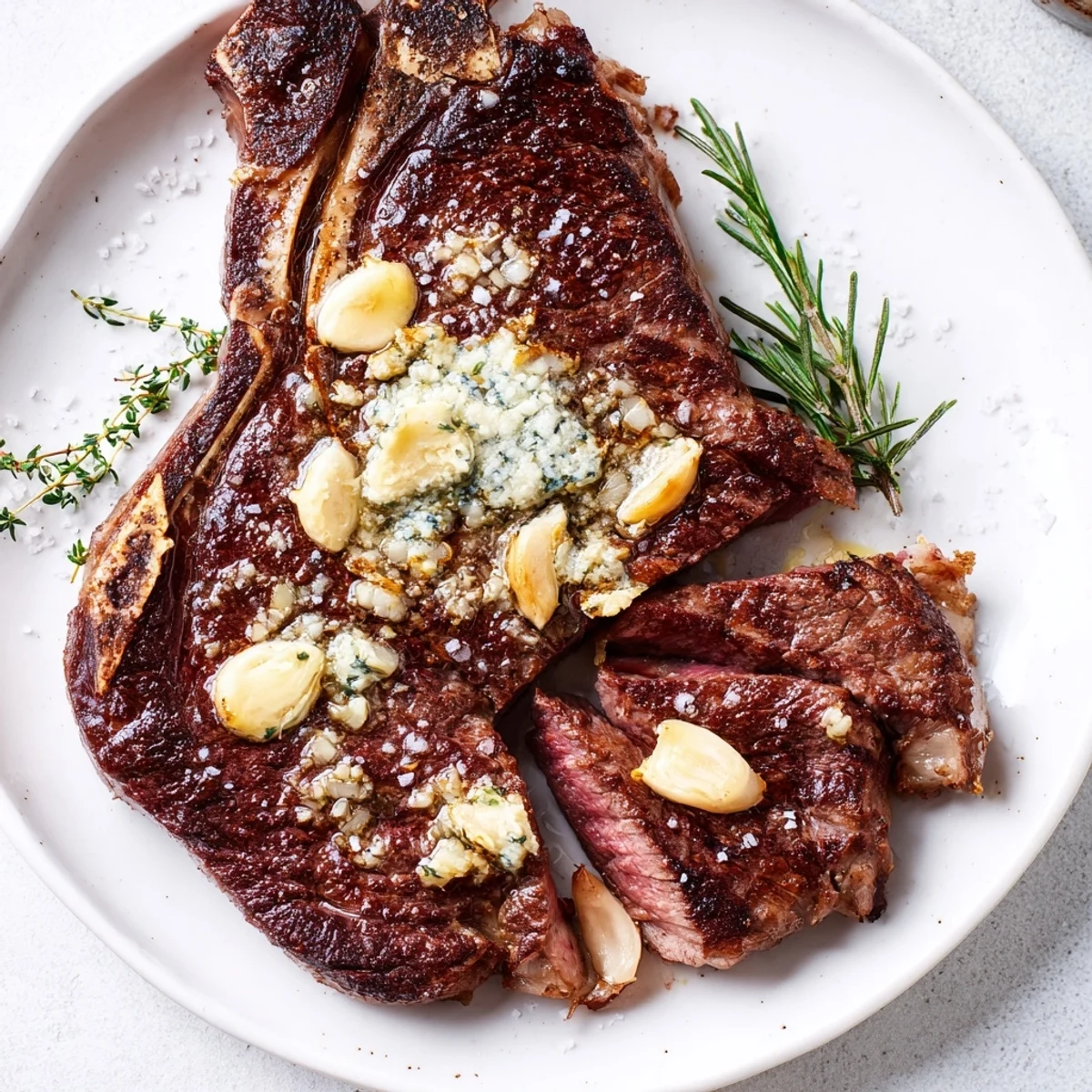
 Cooking the perfect ribeye steak at home is easier than you think. This cast iron method delivers restaurant-quality results with a beautifully seared crust and juicy, tender interior. The key is starting with well-seasoned steaks at room temperature, then searing in a screaming-hot skillet to develop that coveted crust.
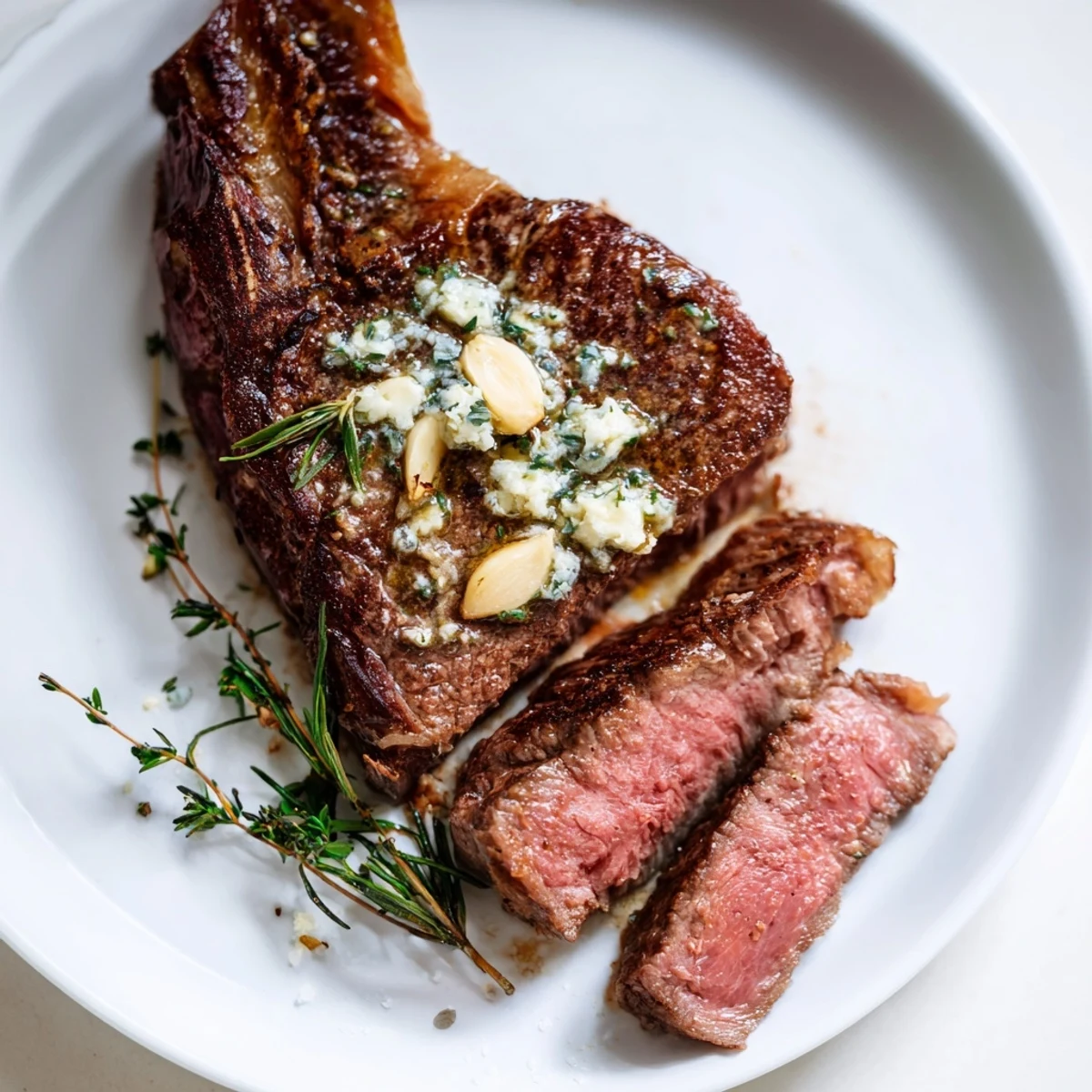
The garlic butter baste elevates everything—fresh garlic, thyme, and rosemary infuse the meat with incredible aroma and flavor as it melts. Constant basting ensures even cooking and keeps the steak moist. Letting the meat rest afterward is crucial for maximum juiciness.
Ready in just 20 minutes total, this impressive main dish is perfect for date nights, dinner parties, or whenever you're craving a steakhouse experience at home. Serve with roasted vegetables or a crisp salad to complete the meal.
The smell of searing meat hitting hot cast iron still takes me back to my first apartment kitchen, where I learned that a great steak is less about fancy techniques and more about patience and heat. I probably ruined three steaks before I finally got that crust right, but the moment I took that first perfect bite, all the mistakes were worth it.
My brother in law still talks about the night I made these for his birthday. I was so nervous about overcooking them that I hovered over the pan with a thermometer, basting like my life depended on it. When he cut into that perfectly pink center and just closed his eyes, I knew I had nailed it.
Ingredients
- Ribeye steaks: Choose cuts at least 1 inch thick with good marbling for the best flavor and juiciness
- Kosher salt: The coarse flakes adhere better and create a beautiful crust
- Freshly ground black pepper: Grind it right before seasoning for maximum potency
- Unsalted butter: You can control the salt level better than with salted butter
- Fresh garlic cloves: Crush them gently to release their oils without turning them bitter
- Fresh thyme and rosemary: Woody herbs stand up to high heat better than delicate ones
- Olive oil: Has a higher smoke point than butter for the initial sear
- Flaky sea salt: The finishing touch adds texture and pops of salinity
Instructions
- Bring steaks to room temperature:
- Remove steaks from the fridge 30 minutes before cooking and pat them completely dry with paper towels to ensure proper searing
- Season generously:
- Sprinkle salt and pepper on both sides, pressing gently to help the seasoning adhere to the meat
- Heat the pan:
- Heat your cast iron skillet over high heat for 3 to 5 minutes until it is smoking hot
- Sear the first side:
- Add olive oil and place steaks in the pan, letting them sear undisturbed for 2 to 3 minutes until a deep brown crust forms
- Flip and baste:
- Flip the steaks and add butter, garlic, and herbs, then tilt the pan and spoon the melting butter over the meat continuously
- Check for doneness:
- Cook until the internal temperature reaches 125°F for medium rare or your preferred doneness
- Rest the meat:
- Transfer steaks to a plate and tent loosely with foil for 5 minutes to let the juices redistribute
- Serve and enjoy:
- Slice against the grain and spoon any remaining garlic butter from the pan over the top, finishing with flaky salt
 Pin It
 This recipe has become my go to for celebrating everything from promotions to Tuesday night wins. There is something almost ceremonial about standing over that sizzling pan, basting and watching the crust form, that makes even a regular dinner feel special.
Choosing the Right Steak
I have learned that thickness matters more than anything else. Thin steaks overcook before they develop a proper crust, while thick steaks give you that beautiful contrast between the seared exterior and perfectly pink center.
The Basting Technique
Tilting the pan feels awkward the first time, but that gentle angle lets you gather all those flavorful butter and herb juices. The constant spooning does more than add flavor, it helps cook the top side while building layers of aromatic richness.
Perfect Pairings
A rich steak deserves sides that can stand up to it without competing. I love serving this with something bright and fresh to balance all that richness.
- Roasted asparagus with lemon
- Creamy mashed potatoes
- A simple arugula salad with vinaigrette
 Pin It
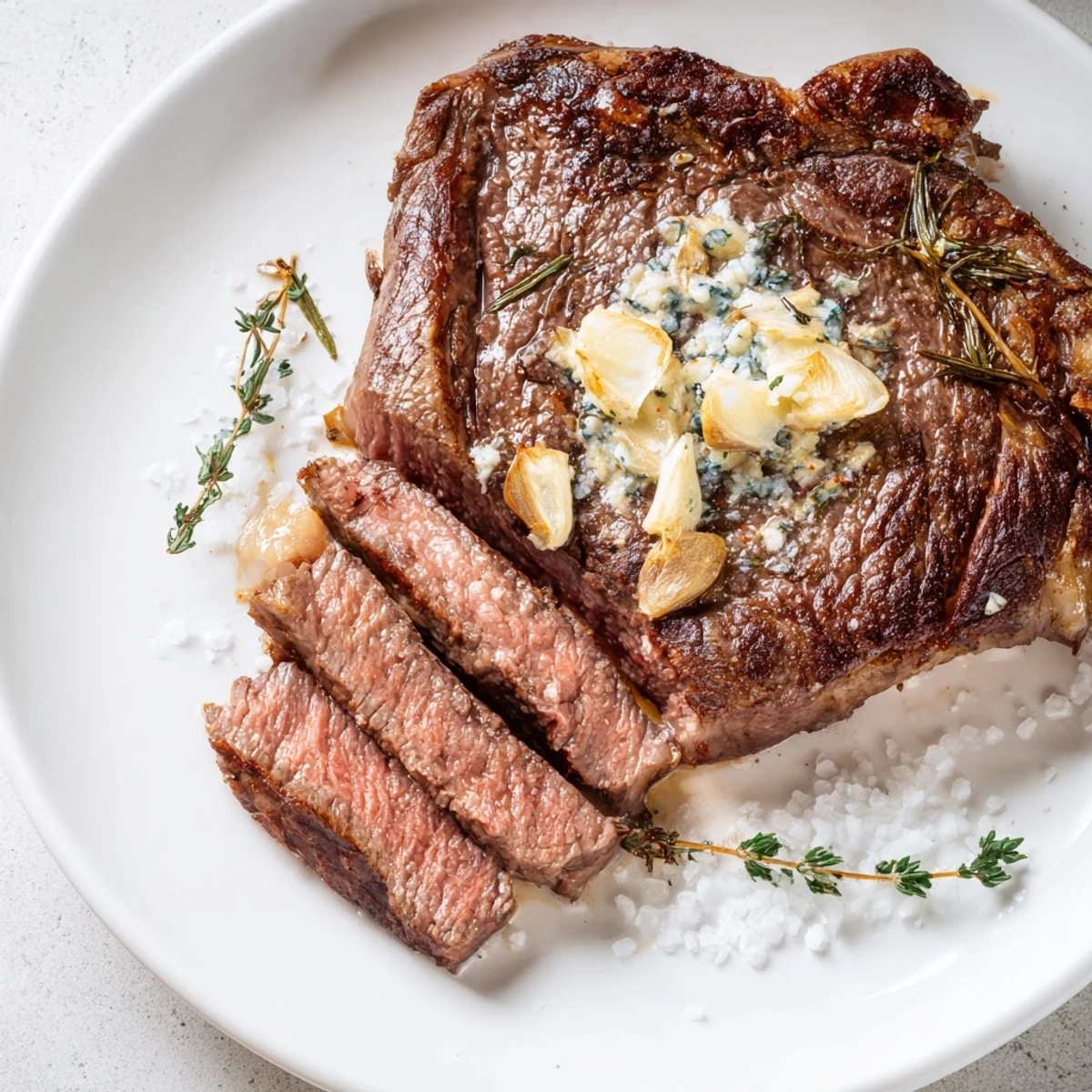
 There is nothing quite like the satisfaction of cooking a perfect steak at home. Once you master this technique, you might find yourself ordering steak at restaurants less often.
Recipe FAQs
- → What thickness of ribeye works best?
-
Ribeye steaks between 1 and 1.5 inches thick are ideal. Thicker cuts allow for proper searing without overcooking the interior, while thinner steaks may cook too quickly and lose juiciness.
- → Why bring steaks to room temperature first?
-
Room-temperature steaks cook more evenly, allowing the interior to reach the desired doneness before the exterior burns. This step takes about 30 minutes and is crucial for consistent results.
- → How do I know when the steak is done?
-
Use a meat thermometer for accuracy. Medium-rare reaches 125°F/52°C, medium 135°F/57°C. If you don't have a thermometer, the touch test works—firmness increases with doneness.
- → Can I use dried herbs instead of fresh?
-
Fresh thyme and rosemary provide the best flavor, but dried herbs work in a pinch. Use about one-third the amount of dried herbs compared to fresh, and add them earlier to allow time to rehydrate.
- → What if I don't have a cast iron skillet?
-
A heavy stainless steel skillet or grill pan can work, but cast iron's heat retention creates the best crust. Avoid non-stick pans as they can't handle the high heat needed for proper searing.