
 Pin It
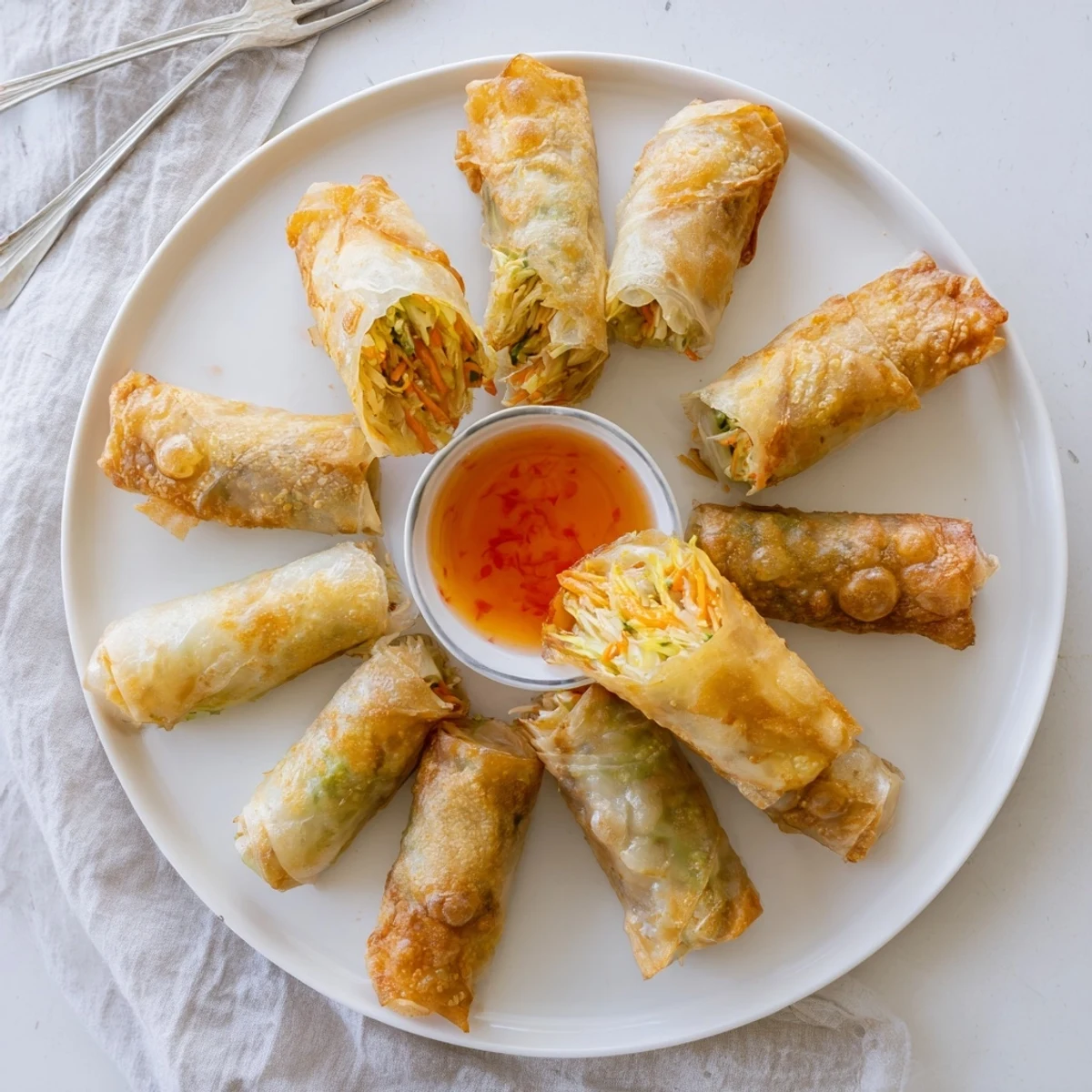
 These golden, Vietnamese-inspired rolls feature a satisfying crunch from rice paper wrappers that encase a colorful medley of shredded carrots, cabbage, bean sprouts, and earthy shiitake mushrooms. The vegetable filling gets aromatic depth from garlic, green onions, soy sauce, and toasted sesame oil, creating layers of umami flavor in every bite. After a quick sauté to soften the vegetables, the filling cools before being tightly rolled into pliable rice paper skins. A hot oil bath transforms these parcels into irresistibly crispy delights with shattering exteriors and tender, seasoned interiors. Each roll delivers that perfect contrast between crackling shell and succulent vegetable filling that makes these handheld treats so addictive.
The sound of rice paper hitting hot oil still takes me back to my friend Lan's tiny kitchen in Hanoi, where she taught me that patience matters more than precision when making these rolls. I was too impatient that first afternoon, rushing the folding and ending up with more torn wrappers than intact ones, but Lan just laughed and showed me how gentle hands make the crispiest results.
Last summer, I made these for a potluck and watched them disappear within minutes. My friend Sarah, who claims she hates vegetables, actually asked for the recipe. That felt like a victory worth sharing.
Ingredients
- Shredded carrots and cabbage: These form the sweet, crunchy backbone of the filling and release moisture as they cook, creating steam inside the roll
- Shiitake mushrooms: Fresh or rehydrated dried mushrooms add an earthy depth that makes the filling feel substantial rather than just vegetable-heavy
- Bean sprouts: Add them last so they stay snappy and fresh, providing textural contrast against the softened other vegetables
- Rice paper wrappers: Work with wrappers that are pliable but not mushy, and keep a damp towel handy to cover unused ones
Instructions
- Prepare the aromatic base:
- Sauté garlic and green onions in a teaspoon of oil over medium heat for about 1 minute, just until the kitchen fills with their fragrance
- Cook the vegetables:
- Add carrots, cabbage, and mushrooms to the pan, stir-frying for 3–4 minutes until they soften but still retain some crunch
- Season the filling:
- Stir in bean sprouts, soy sauce, sesame oil, and black pepper, cooking for another 2 minutes before transferring to a bowl and cooling completely
- Soften the wrappers:
- Dip each rice paper wrapper in warm water for 10–15 seconds until pliable, then lay it on a damp towel to work with
- Roll tightly:
- Place 2–3 tablespoons of filling along the lower third, fold the bottom edge over, tuck in the sides, and roll up like a burrito, keeping it snug
- Heat the oil:
- Warm 1/2 inch of vegetable oil in a skillet over medium-high heat until it shimmers and dances when you test with a wooden spoon
- Fry until golden:
- Cook spring rolls in batches, seam-side down first, turning occasionally for 2–3 minutes per side until deeply golden and audibly crispy
- Drain and serve:
- Transfer finished rolls to paper towels to drain excess oil, then serve immediately while theyre still hot and shattering-crisp
 Pin It
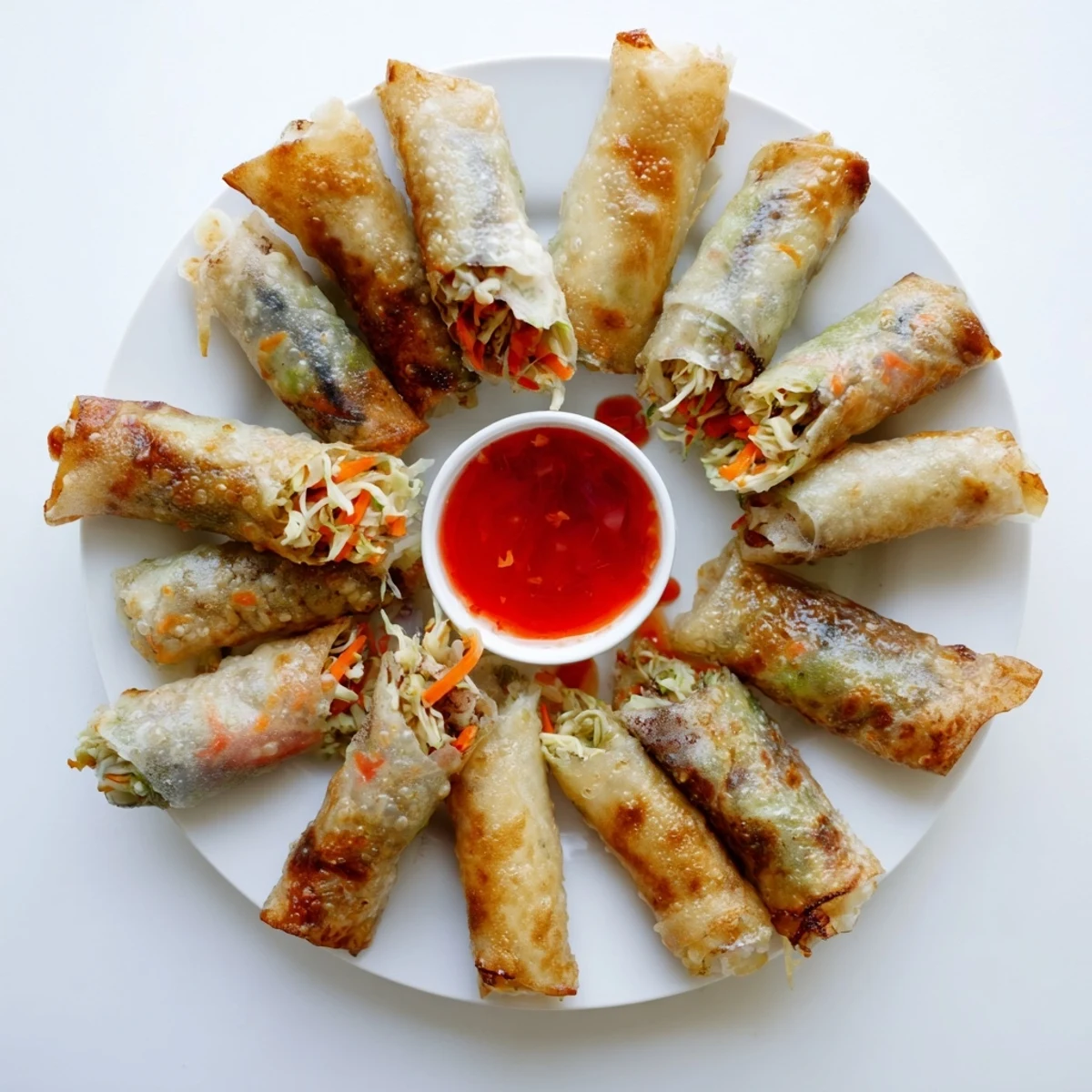
 These became my go-to comfort food during a rainy week when I needed something warm and satisfying but not too heavy. The process of rolling them became almost meditative, and that first bite of crispy, steaming vegetables felt like a small kindness to myself.
Making Ahead Like A Pro
You can assemble all the spring rolls up to 4 hours before frying and keep them covered with a damp towel. This actually works beautifully because the rice paper has time to firm up slightly, creating an even crisper exterior when they hit the hot oil. Just arrange them in a single layer so they dont stick together.
Oil Temperature Secrets
The oil needs to be hot enough that the rice paper immediately sizzles and puffs, but not so hot that it burns before the filling heats through. I learned this the hard way when I got impatient and ended up with burnt outsides and cold centers. If the oil is smoking, it is too hot. A wooden chopstick should bubble steadily when you dip it in.
Serving Ideas That Transform The Meal
These spring rolls shine alongside a simple dipping sauce, but they become something special when served with fresh lettuce leaves, mint, and cilantro so everyone can wrap their own bites. The cool, crisp herbs balance the hot, fried exterior perfectly.
- Mix some lime juice into your dipping sauce for brightness that cuts through the fried richness
- Keep finished rolls warm in a 200F oven while you fry the remaining batches
- Offer extra sauce on the table because people will want more for dunking
 Pin It
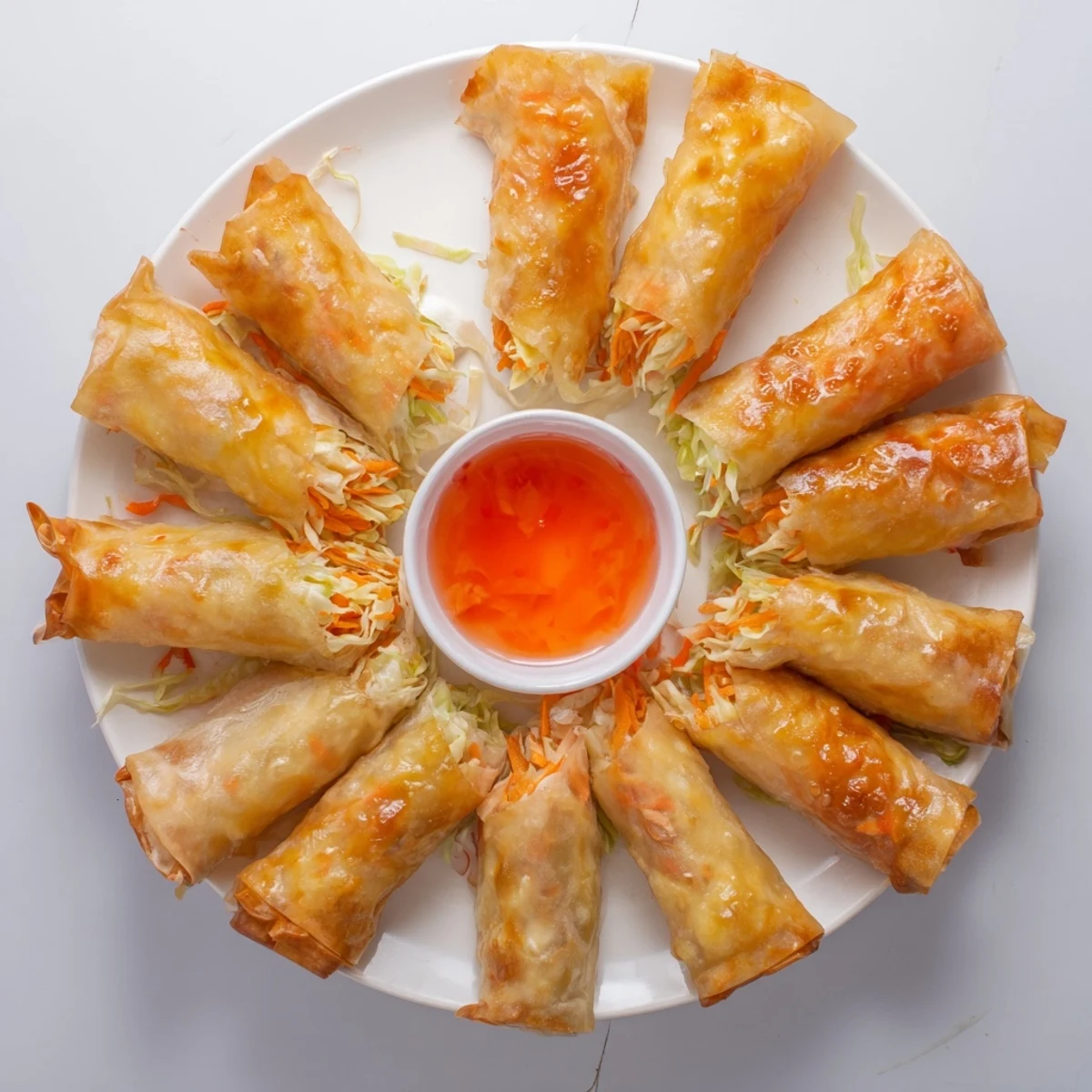
 There is something deeply satisfying about pulling a tray of golden spring rolls from the oil, listening to them crackle as they cool just enough to eat. These rolls have become my answer to almost any occasion, from weeknight dinners to feeding a crowd.
Recipe FAQs
- → Can I bake these instead of frying?
-
Yes, brush the rolled spring rolls lightly with oil and bake at 400°F (200°C) for 20–25 minutes, turning halfway through cooking. They'll still become crispy with less oil.
- → How do I prevent rice paper from tearing?
-
Soak wrappers in warm water for only 10–15 seconds until pliable but not overly soft. Lay them on a damp towel while working to prevent drying out or sticking.
- → Can I add protein to the filling?
-
Absolutely. Finely chopped firm tofu, cooked vermicelli noodles, or even shredded cooked chicken make excellent additions while maintaining the roll's structural integrity.
- → What dipping sauces pair well?
-
Traditional nuoc cham (fish sauce condiment) or sweet chili sauce are classic choices. Peanut sauce, sriracha mayo, or a simple soy-vinegar dip also complement the crispy exterior beautifully.
- → Can I make these ahead of time?
-
You can assemble the rolls several hours before frying and refrigerate them covered with plastic wrap. Fry just before serving for maximum crispiness, though they can also be fried ahead and reheated in the oven.
- → Are these suitable for gluten-free diets?
-
Rice paper wrappers are naturally gluten-free. Simply use gluten-free soy sauce (tamari) in the filling to make the entire dish safe for those avoiding gluten.