
 Pin It
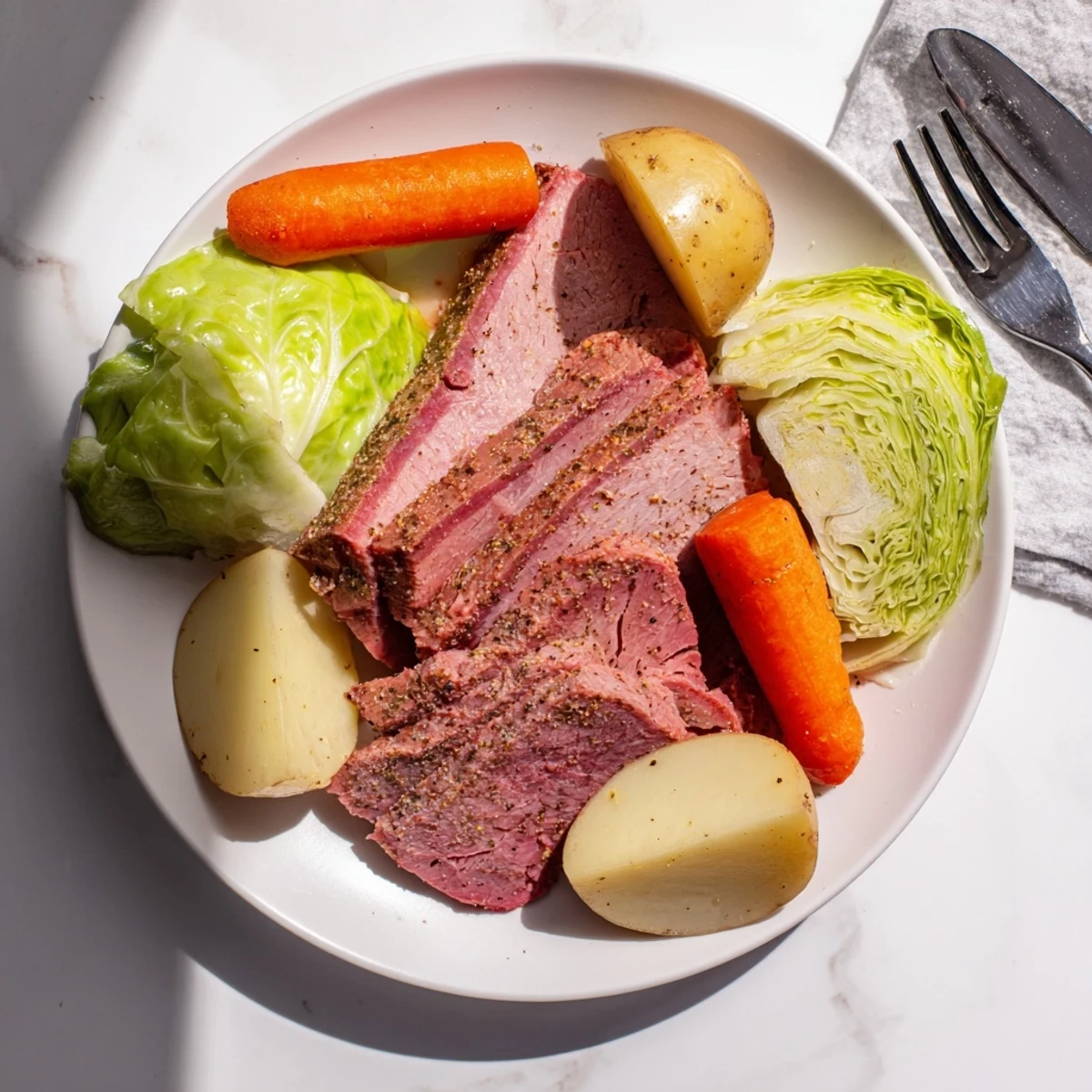
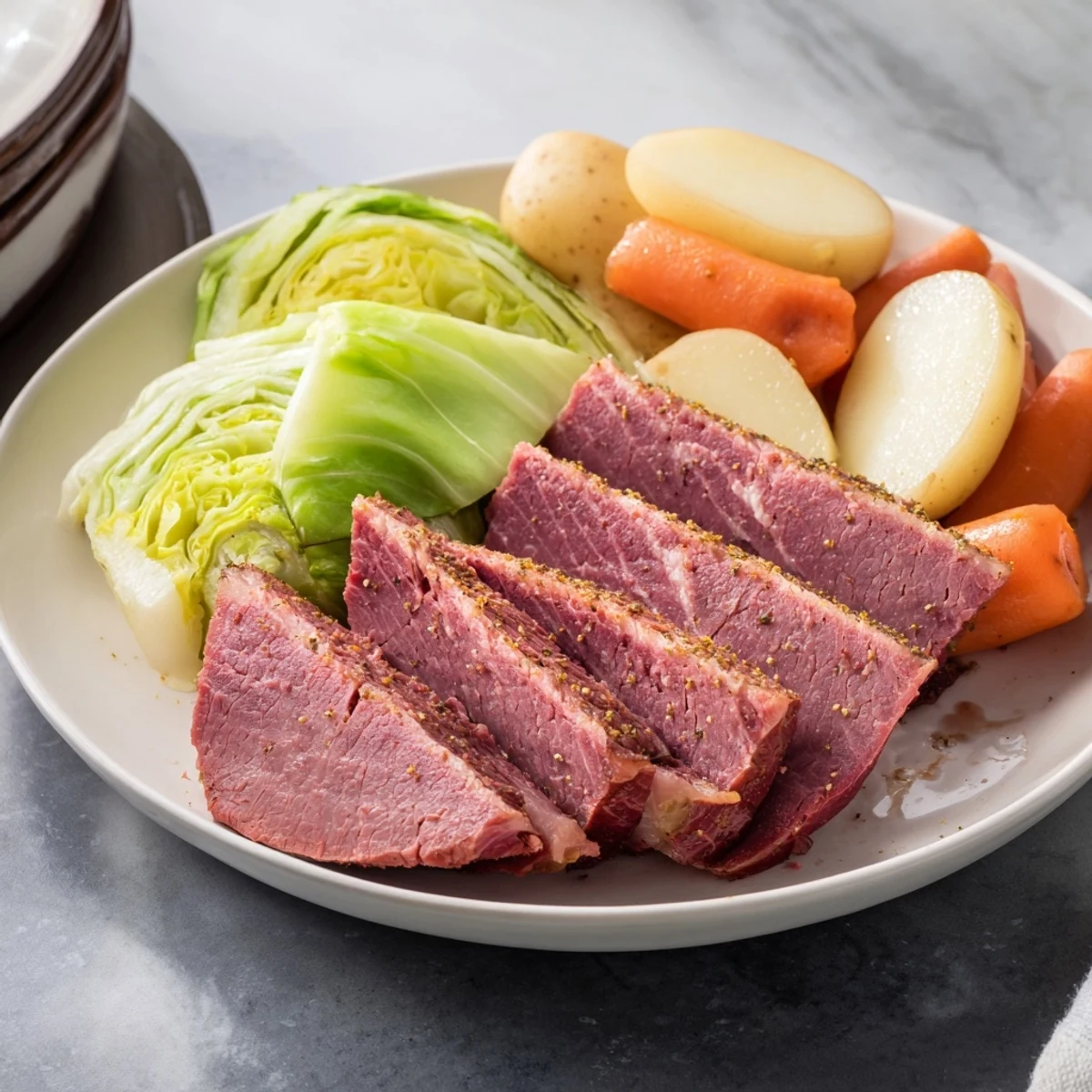
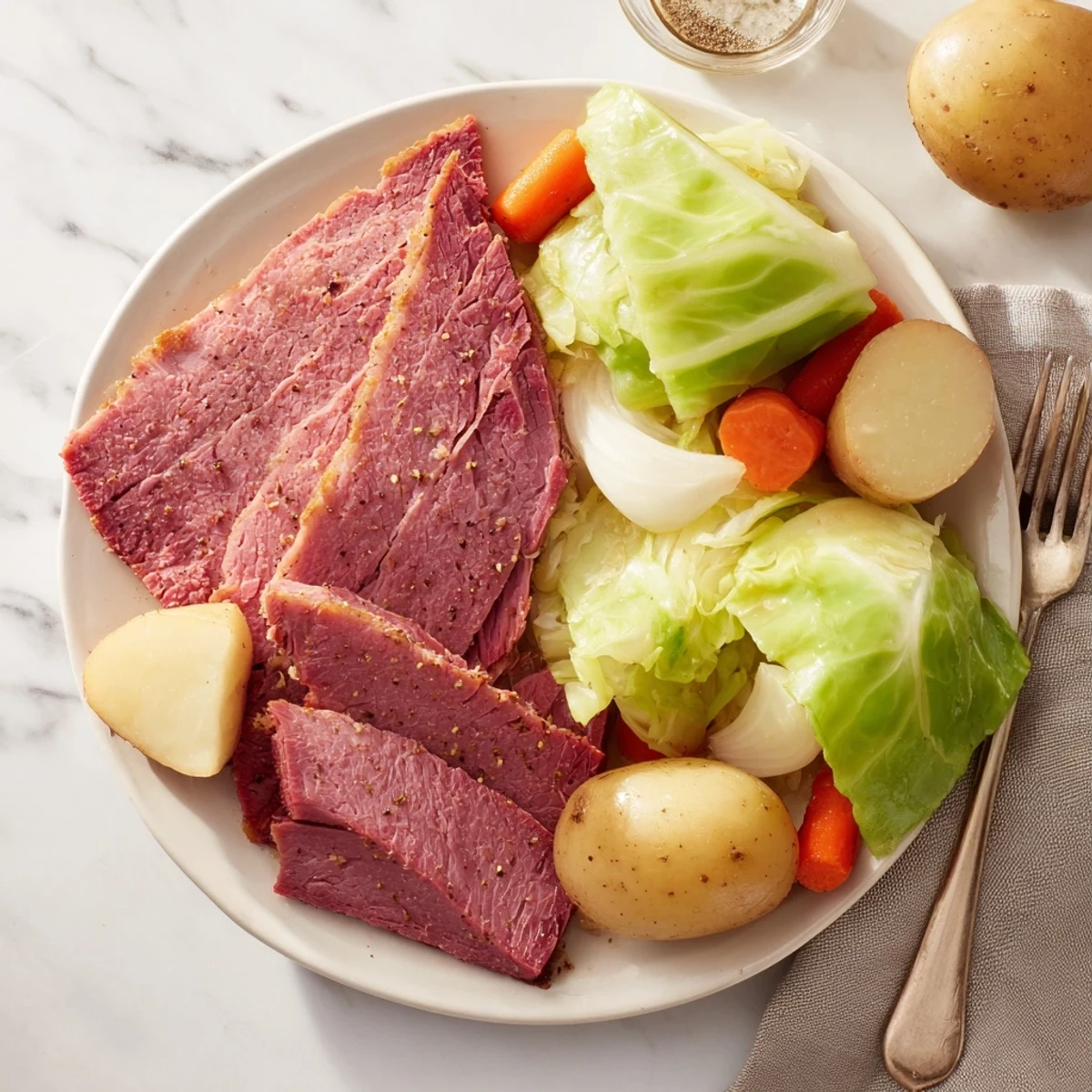
 This hearty dish features a succulent corned beef brisket that becomes incredibly tender after eight hours of slow cooking. The meat simmers in a savory beef broth infused with aromatics like onions, garlic, bay leaves, and peppercorns. During the final two hours, wedges of green cabbage join carrots and Yukon Gold potatoes, absorbing the rich flavors. The result is fork-tender beef slicing beautifully against the grain, served alongside perfectly cooked vegetables in their own savory broth.
The kitchen was already warm when I finally remembered to check the slow cooker around noon. That rich, savory scent of beef and spices had been building all morning, and my dog was practically sitting by the counter, hoping for a stray carrot to fall. This corned beef recipe has become my go-to for those days when I want something hearty but don't have the energy to stand over a stove for hours.
Last St. Patricks Day, I made this for a group of friends who'd never had corned beef before. They were skeptical about the cabbage part, but by the time we sat down to eat, everyone was fighting over the last pieces of those tender, broth-soaked wedges. Theres something magical about how the vegetables absorb all that spiced beef flavor while everything cooks together.
Ingredients
- 1 corned beef brisket (3 to 4 pounds) with spice packet: The fat cap renders down beautifully and keeps the meat moist throughout the long cooking time
- 1 medium head green cabbage: Cut into wedges so they hold their shape instead of falling apart in the broth
- 6 medium carrots: Large chunks work better than thin slices since they cook for hours
- 6 small Yukon Gold potatoes: These hold their texture better than russets and taste buttery on their own
- 1 large yellow onion: Quartered so it melts into the broth and adds sweetness
- 3 cloves garlic: Smashed releases more flavor than minced for this slow simmer
- 4 cups low-sodium beef broth: Essential base, and low-sodium helps control the salt level since corned beef is already cured
- 2 cups water: Dilutes the broth just enough so nothing gets too salty
- 2 bay leaves: Classic aromatic that adds depth without overpowering
- 8 whole black peppercorns: Gentle spice that infuses the cooking liquid
- 1 tbsp Dijon mustard (optional): Adds a subtle tang that cuts through the richness
Instructions
- Rinse and position the beef:
- Rinse the corned beef under cold water to remove excess brine, then place it fat side up in the slow cooker so the fat renders down over the meat as it cooks.
- Season the brisket:
- Sprinkle the contents of the spice packet (and mustard if using) over the top of the meat so those spices work their way into every crevice.
- Add the aromatics and vegetables:
- Arrange onion, garlic, carrots, potatoes, bay leaves, and peppercorns around and on top of the beef, tucking everything in snugly.
- Pour in the liquids:
- Add the beef broth and water until everything is mostly submerged—the liquid will increase as vegetables release moisture.
- Start the long cook:
- Cover and cook on LOW for 8 hours, checking occasionally that the liquid hasn't evaporated too much.
- Add the cabbage:
- Tuck in the cabbage wedges during the last 2 hours of cooking so they become tender without turning mushy.
- Rest before slicing:
- Carefully remove the corned beef and let it rest for 10 minutes on a cutting board before slicing against the grain.
- Serve with the broth:
- Slice the beef and serve with the vegetables, spooning some of that flavorful cooking broth over everything.
 Pin It
 My grandmother used to make corned beef on the stove, and I remember watching her hover over the pot for hours, skimming foam and adjusting the heat. The slow cooker version tastes just as good, but now I can actually enjoy the day while dinner cooks itself.
Getting The Seasoning Right
Corned beef comes pre-cured, so resist the urge to add more salt. The spice packet usually contains mustard seeds, coriander, peppercorns, and bay leaves, but every brand is slightly different. Taste your broth toward the end of cooking and adjust only if it needs more depth, not salt.
Vegetable Timing
I've learned that not all vegetables cook at the same rate in a slow cooker. Potatoes and carrots need the full 8 hours to become meltingly tender, but cabbage only needs about 2 hours before it goes from perfect to pasty. If you want to add parsnips or turnips, throw them in with the potatoes at the start.
Serving Suggestions
A dollop of creamy horseradish sauce cuts through the richness beautifully, and some crusty bread is essential for soaking up that precious broth. Sometimes I serve it with a simple green salad dressed with vinegar to balance the hearty flavors.
- Stir a tablespoon of butter into the broth right before serving for extra richness
- Whole grain mustard makes an excellent alternative to horseradish
- Save the cooking liquid—it freezes beautifully for soups later
 Pin It
 There's something deeply satisfying about a meal that takes care of itself while you go about your day, and this corned beef delivers that comfort in every bite.
Recipe FAQs
- → Why do I add the cabbage during the last 2 hours?
-
Cabbage cooks much faster than the beef, becoming mushy if added too early. Adding it during the final two hours ensures tender-crisp texture while absorbing the savory broth flavors.
- → Should I rinse the corned beef before cooking?
-
Yes, rinsing under cold water removes excess brine and helps balance the saltiness. This simple step prevents the final dish from becoming overly salty while maintaining that classic cured flavor.
- → What's the purpose of letting the meat rest before slicing?
-
Resting for 10 minutes allows the juices to redistribute throughout the brisket. This ensures each slice remains moist and tender rather than losing all those flavorful liquids when cut.
- → Can I use high heat instead of low?
-
While possible, low heat yields the most tender results. If you're pressed for time, cook on HIGH for 4-5 hours, but the longer, gentler cooking method produces superior texture and flavor.
- → How do I know when the corned beef is done?
-
The meat is ready when it's fork-tender—meaning a fork slides in easily with little resistance. This typically happens after 8 hours on LOW, but brisket size and slow cooker variations can affect timing.
- → What sides pair well with this dish?
-
Creamy horseradish sauce provides a classic tangy contrast. Whole-grain mustard, crusty Irish soda bread, or a light potato salad also complement the rich, savory flavors beautifully.