
 Pin It
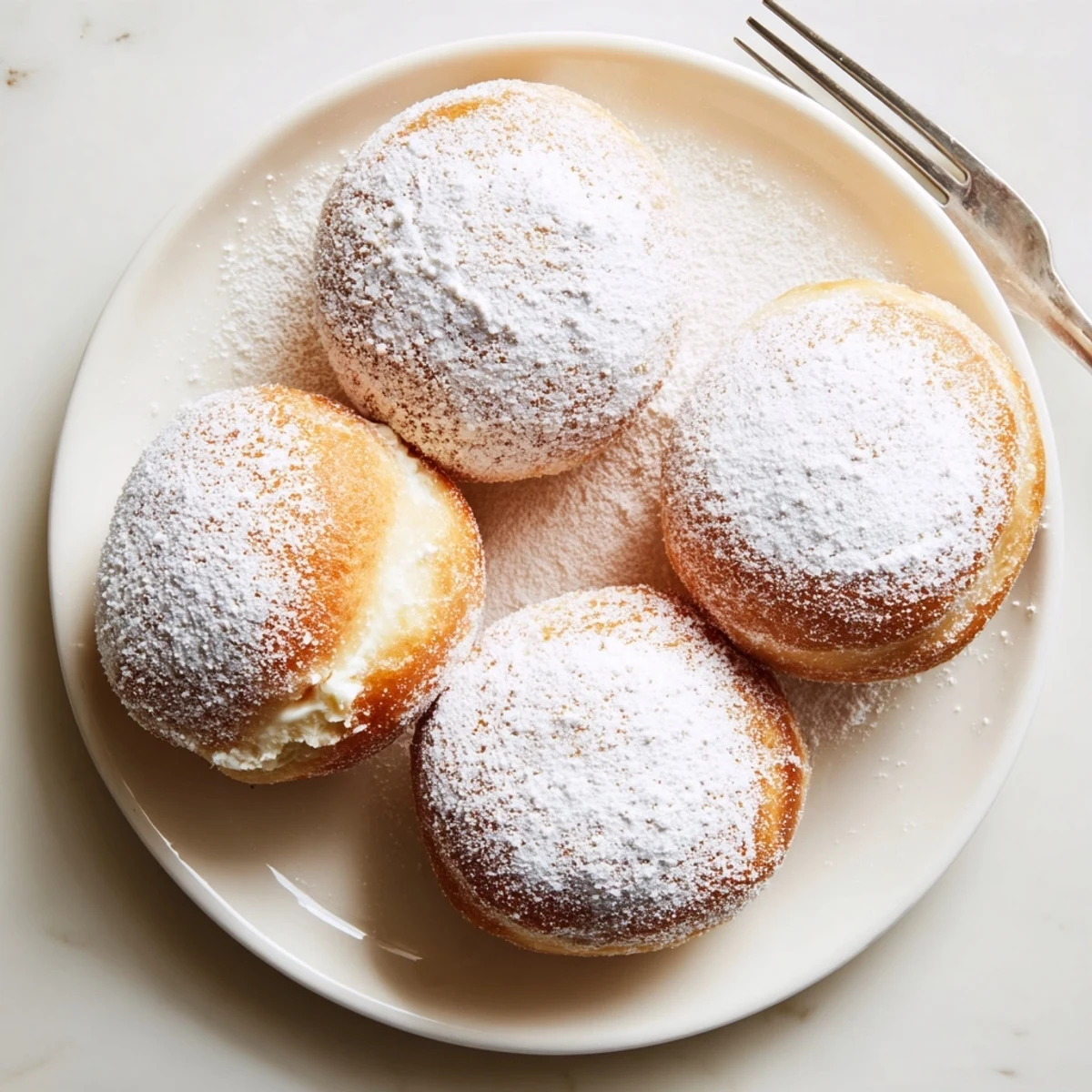
 Create these beloved Italian treats featuring cloud-like fried dough enriched with eggs and butter. The classic preparation involves kneading a soft yeast dough until elastic, then allowing it to rise fully before cutting and frying to golden perfection. The hallmark of exceptional bomboloni lies in the pastry cream—a silky custard made by tempering egg yolks with hot milk, then cooking until thickened and luscious. Fill generously while still slightly warm, then coat thoroughly in granulated sugar for that signature crunch. These shine brightest when enjoyed fresh alongside an espresso or cappuccino, bringing authentic Italian café atmosphere to your kitchen.
The first time I bit into a bomboloni in a small bakery in Florence, I understood why Italians take their pastries so seriously. The outside was crisp with sugar, the inside impossibly light, and that cream—nothing like the heavy fillings Id had before. I came home determined to recreate that memory in my tiny kitchen. Three failed batches later, I finally learned that patience with the dough is everything.
Last Sunday, I made these for my mothers birthday breakfast. She walked into the kitchen while I was frying the first batch, the whole house smelling like warm sugar and vanilla. We ended up eating three each standing right at the counter, burnt fingers and all. Sometimes the best moments happen when you abandon the pretense of a proper breakfast.
Ingredients
- All-purpose flour: This creates the structure—bread flour would make them too chewy
- Active dry yeast: Make sure its fresh and dissolve it properly in that warm milk
- Whole milk: The fat content matters here for both dough and cream richness
- Unsalted butter: Softened to room temperature so it incorporates evenly into the dough
- Eggs: Room temperature eggs emulsify better with the other ingredients
- Cornstarch: This is what gives the pastry cream that luxurious velvety thickness
- Vanilla extract: Use the good stuff—its the primary flavor in your cream
Instructions
- Wake up the yeast:
- Warm your milk to about 110°F—think bathwater temperature, not hot. Stir in the yeast and let it sit for about 5 minutes until its foamy and alive.
- Build the dough:
- Mix flour, sugar, and salt in your stand mixer. Add the milk mixture, eggs, vanilla, and softened butter. Knead for 8 to 10 minutes until the dough is smooth and pulls away from the sides.
- Let it rise:
- Place the dough in a greased bowl, cover it with a warm towel, and walk away for at least an hour. It should double in size—this is where the magic happens.
- Shape your rounds:
- Roll the dough to about 3/4 inch thick and cut with a 3-inch round cutter. Let them rise again on parchment paper for 30 to 45 minutes until puffy.
- Make the cream filling:
- Heat milk until steaming. Whisk yolks, sugar, and cornstarch until pale. Slowly whisk hot milk into yolks, return to pan, and cook until thickened. Stir in butter and vanilla, then chill completely.
- Fry to golden:
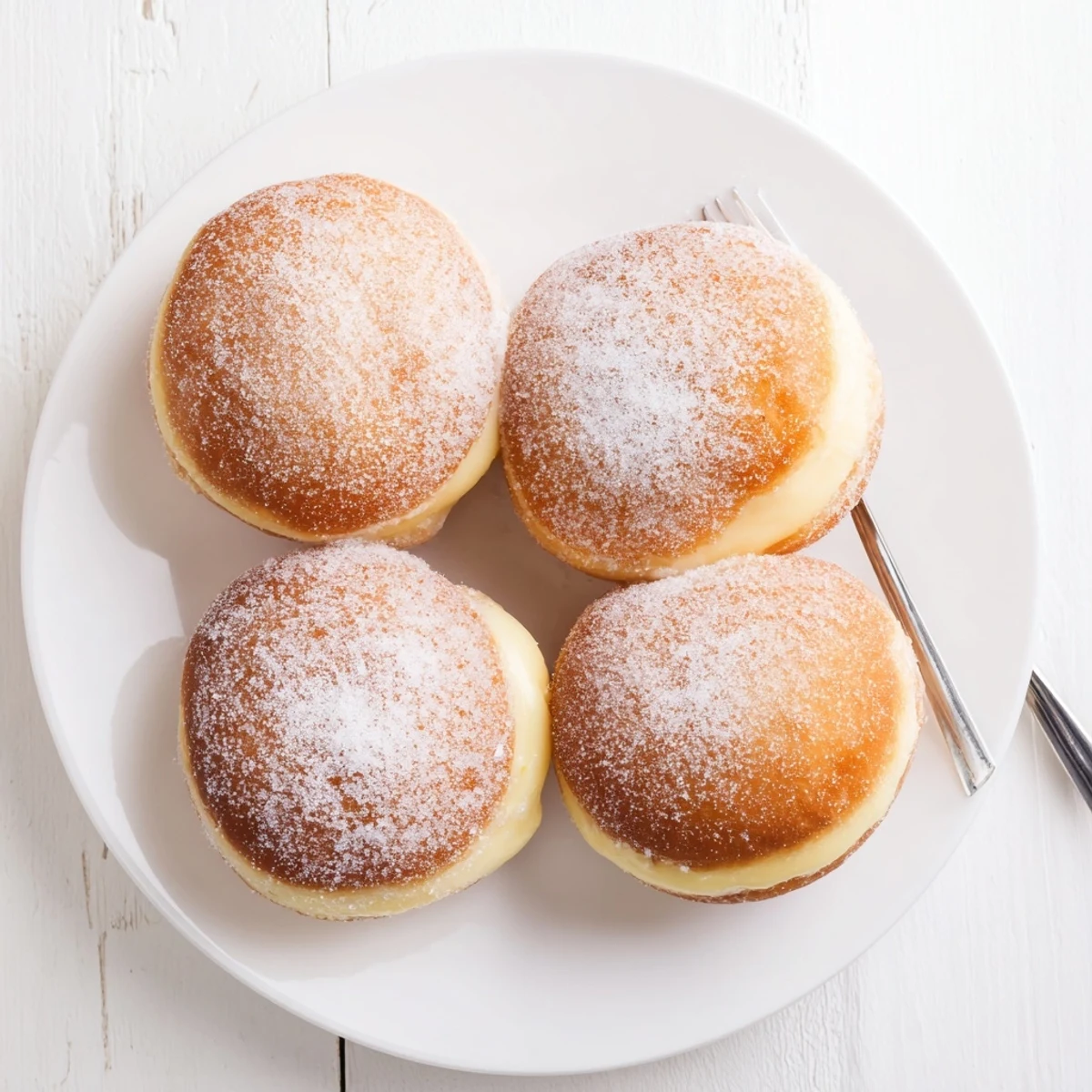
- Heat oil to 350°F and fry 2 or 3 donuts at a time for about 2 minutes per side. They should be deep golden brown. Roll them in sugar while still warm.
- Fill them generously:
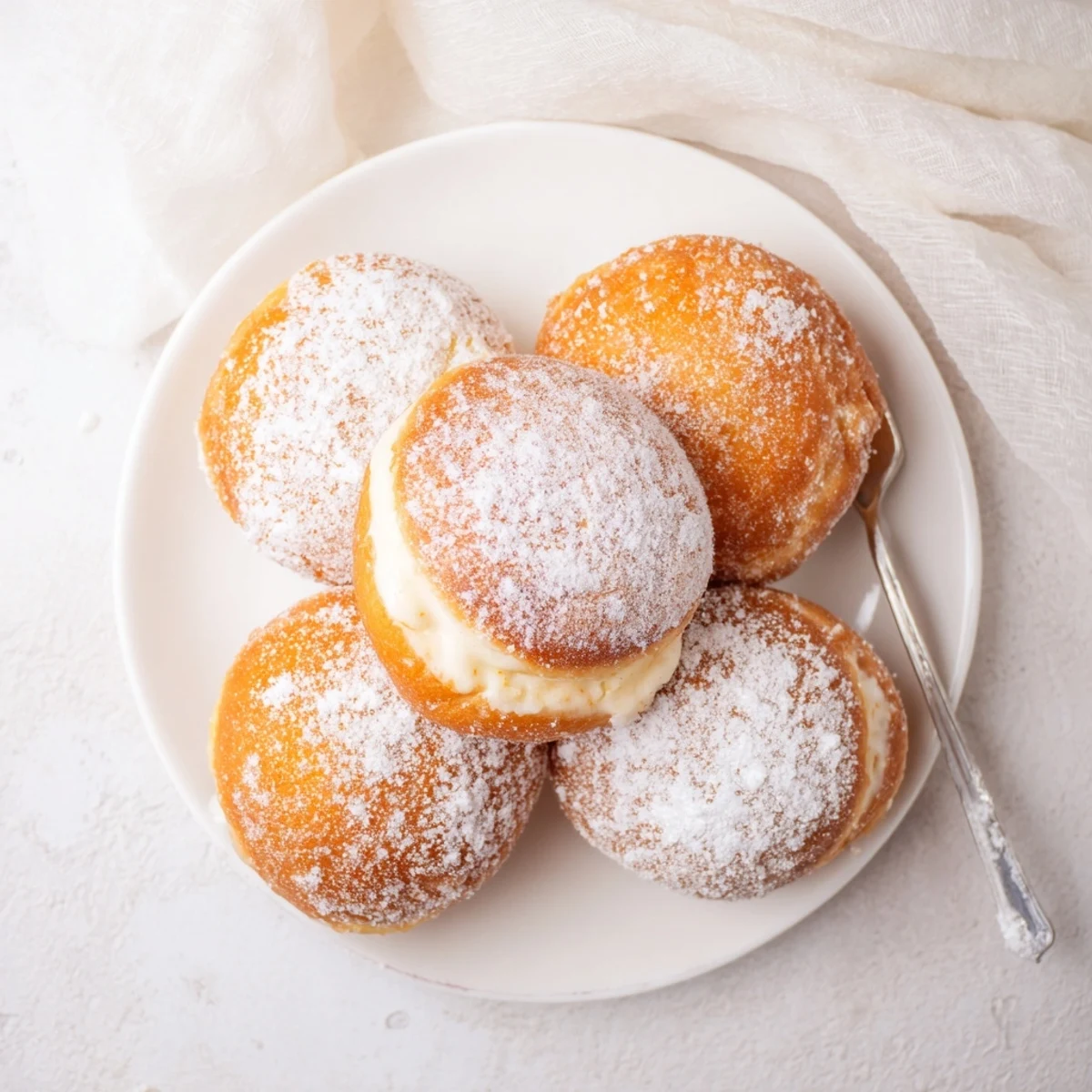
- Once cooled, poke a hole in the side of each donut. Pipe that chilled cream inside until you feel resistance—dont be shy with the filling.
 Pin It
 These became our Christmas morning tradition after that birthday breakfast. Now my kids expect them every year, watching the fryer like hawks. The house fills with that same warm sugar smell, and suddenly it really feels like the holidays.
Mastering the Pastry Cream
I learned the hard way that cornstarch needs to be fully whisked with the sugar before adding any liquid. Those tiny lumps will ruin your cream texture. Also, that plastic wrap trick—pressing it directly onto the surface—prevents a skin from forming. Its a small step that makes all the difference in the final texture.
Frying Like a Pro
Invest in a kitchen thermometer if you dont have one. I ruined my first few batches guessing the temperature, and its frustrating to waste that beautiful dough. The oil should shimmer but not smoke. And please, please use a heavy pot—thin pans heat unevenly and youll end up with donuts that are burnt on one side and pale on the other.
Making Them Ahead
You can make the dough and pastry cream the night before. Let the dough do its first rise in the refrigerator overnight—the flavor actually develops better that way. The cream needs to be cold anyway, so that works perfectly. Just bring the dough to room temperature before shaping and frying.
- The dough actually develops more flavor with a slow overnight rise in the fridge
- Freeze unfilled donuts if you have leftovers—reheat and fill when ready
- Dust with powdered sugar instead of granulated for a different look and texture
 Pin It
 Theres something profoundly satisfying about making something this indulgent in your own kitchen. These bomboloni have turned ordinary mornings into celebrations.
Recipe FAQs
- → What makes bomboloni different from regular donuts?
-
Bomboloni are Italian-style donuts characterized by their soft, bread-like interior and generous filling of pastry cream. Unlike American glazed donuts, they're rolled in granulated sugar after frying, creating a delightful texture contrast between the crisp exterior and tender interior.
- → Can I make the dough ahead of time?
-
Absolutely. The dough benefits from overnight refrigeration after the first rise. This slow fermentation develops flavor and makes shaping easier. Simply bring to room temperature before rolling and cutting.
- → What's the best way to fill bomboloni without splitting them?
-
Use a piping bag fitted with a plain round tip. Insert the tip into the side of each cooled donut, gently piping cream until you feel slight resistance. The dough should yield easily without tearing.
- → Can I bake these instead of frying?
-
While baking produces a lighter version, it won't replicate the authentic texture and flavor profile. The frying process creates the signature crisp exterior and moist interior that defines traditional bomboloni.
- → How long do filled bomboloni stay fresh?
-
Best enjoyed within 6-8 hours of filling. The sugar coating gradually draws moisture from the cream, softening the exterior. For optimal texture, fill just before serving or store unfried dough and cream separately.
- → What temperature should the oil be for frying?
-
Maintain oil at 350°F (175°C). Too hot, and they'll burn outside while remaining raw inside. Too cool, and they'll absorb excess oil, becoming greasy. Use a kitchen thermometer for accuracy.