
 Pin It
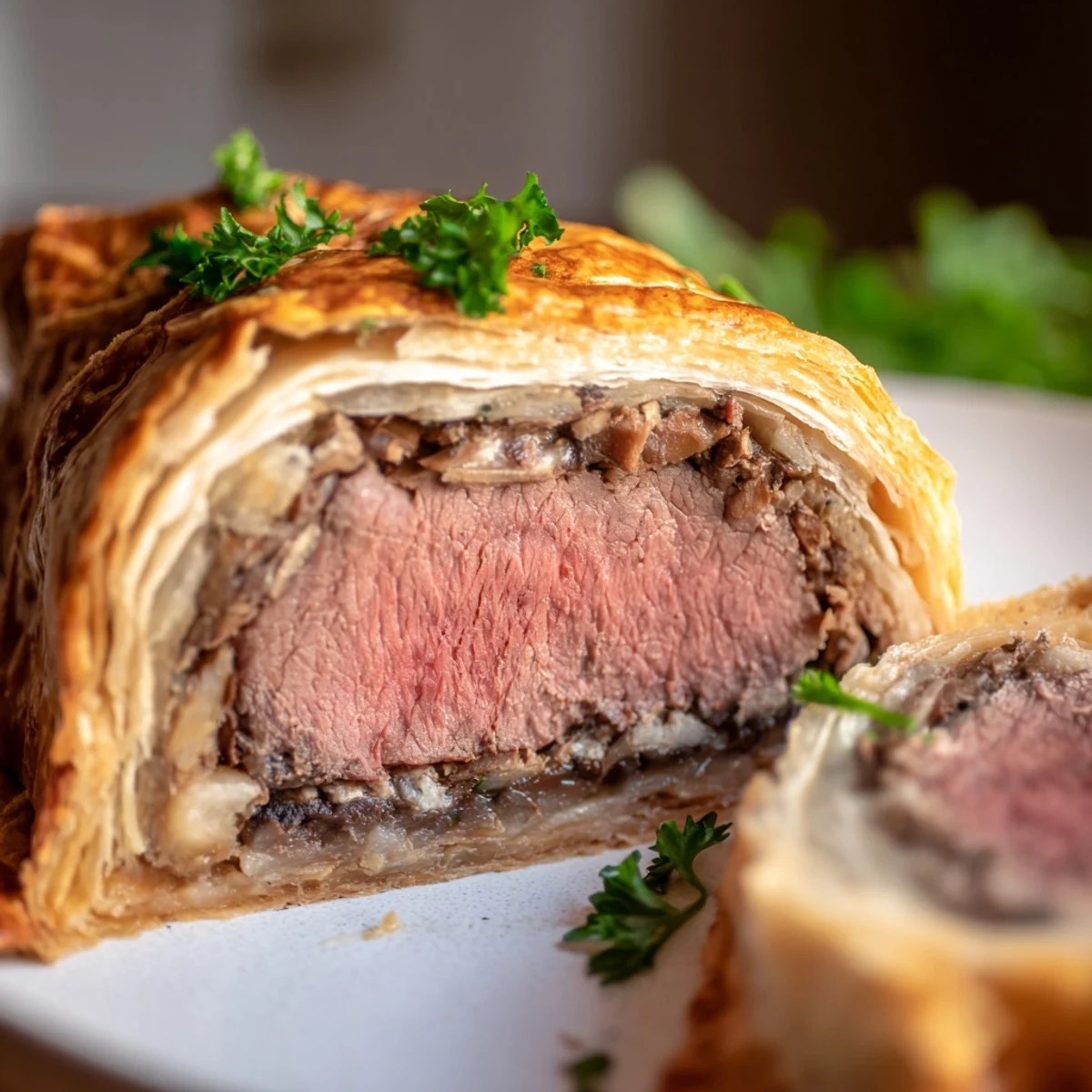
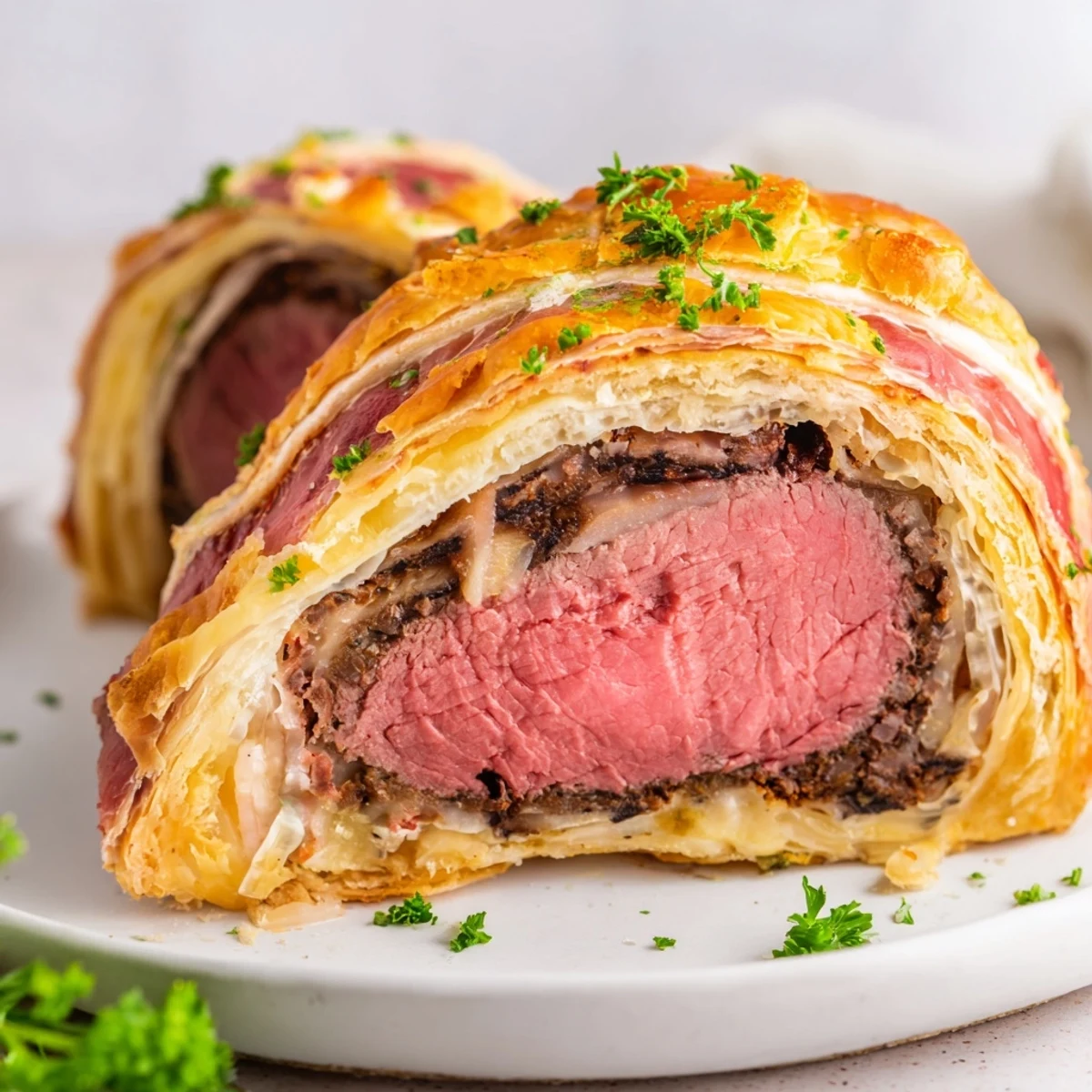
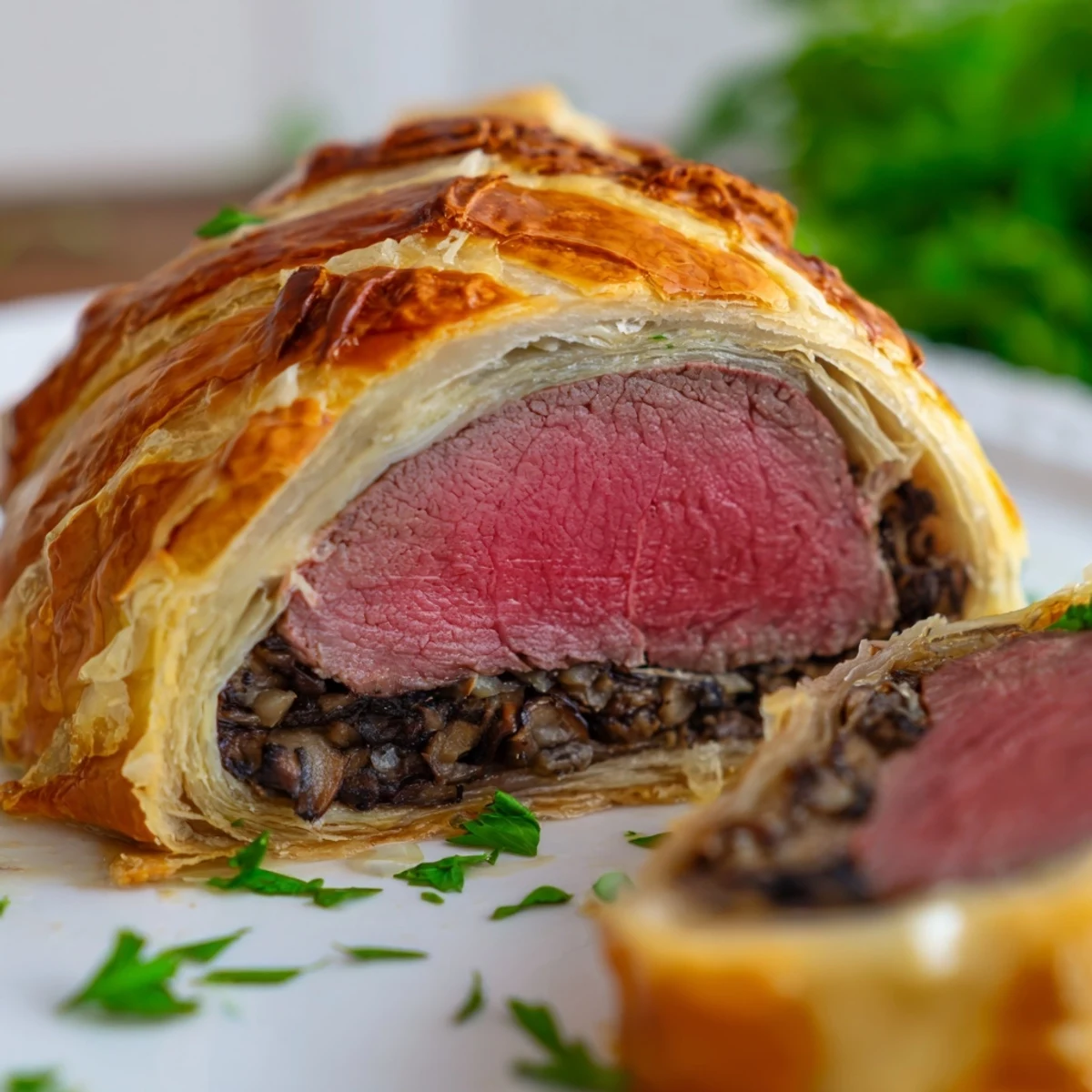
 This dish features a center-cut beef tenderloin wrapped in flavorful mushroom duxelles and prosciutto, then encased in flaky puff pastry. The beef is seared for a rich crust before assembly and baked until the pastry is golden and crisp, offering tender, juicy meat inside. Ideal for festive or special gatherings, it’s elevated by the earthy mushrooms and delicate prosciutto, with hints of thyme and garlic enhancing the flavor. Resting before slicing ensures clean cuts and optimal juiciness. Pair with red wine sauce and vegetables for a complete meal.
The first time I attempted Beef Wellington, I was terrified. My sister was getting engaged, and I'd promised to cook something worthy of celebration, not realizing how many moving parts this dish demanded. Watching the golden pastry emerge from the oven, perfectly bronzed and crackling, I understood why people whisper about this recipe with reverence. It's the kind of dish that transforms a dinner table into something memorable.
Years later, I cooked Wellington for my partner during a particularly brutal week. We'd been stressed about everything, and somewhere between searing the beef and wrapping it in prosciutto, the whole day just melted away. By the time we sat down to eat, we were laughing instead of worrying. That's when I realized this recipe wasn't really about impressing anyone; it was about creating space for something good to happen.
Ingredients
- Beef tenderloin (2 to 2.5 lb center-cut): The star deserves quality, and tenderloin's buttery texture is why this dish sings. Have your butcher trim it well, and let it sit at room temperature before cooking.
- Cremini or button mushrooms (1 lb, finely chopped): These become the soul of the duxelles through slow cooking. Don't skip the chopping by hand; it matters for texture.
- Prosciutto (8-10 thin slices): This creates a moisture barrier that protects the meat and adds subtle salt and depth.
- Puff pastry (1 lb): Thaw it completely and handle it gently. Cold pastry layers are what give you that shatter-and-yield texture.
- Shallots and garlic (2 shallots, 2 cloves): These quiet the intensity of mushrooms and make the duxelles taste more refined than earthy.
- Fresh thyme (2 tsp, chopped): Dried works in a pinch, but fresh thyme changes everything about how this tastes.
- Dijon mustard (2 tbsp): A thin brush of this before assembly adds complexity without drowning the beef.
- Egg wash and olive oil: These are your tools for color and sear, so don't skimp or rush them.
Instructions
- Sear the beef until it's mahogany:
- Heat your skillet until it's almost smoking, then sear the beef on all sides until deeply browned. This takes about 2 minutes per side, and you'll hear it sizzle and pop. Let it cool enough to handle, then brush evenly with mustard.
- Cook the duxelles down to almost nothing:
- Sauté shallots and garlic until fragrant, then add mushrooms with thyme. Stir frequently as they release their water and begin to stick to the pan; this takes about 10 to 12 minutes. You're looking for a paste that clings to the spoon, not a wet mixture.
- Wrap the beef in prosciutto and mushroom:
- Overlap the prosciutto slices on plastic wrap until you have a rectangle, then spread the cooled duxelles evenly. Lay the beef on top and use the plastic wrap to roll everything tightly around it. Twist the ends and refrigerate for at least 30 minutes so it holds its shape.
- Wrap it all in pastry:
- Roll out your thawed puff pastry into a rectangle large enough to encase the beef completely. Remove the beef from plastic wrap, place it in the center, and fold the pastry up and around it, sealing all seams with egg wash pressed between your fingers.
- Paint and bake until golden:
- Brush the entire pastry exterior with beaten egg wash, then decorate with pastry scraps if you like. Bake at 425°F for 40 to 45 minutes until the pastry is deep golden and a thermometer inserted into the center reads 120 to 125°F for medium-rare.
- Let it rest so the juices settle:
- This is not optional. Ten to fifteen minutes of resting means clean, pink slices instead of a wet cutting board.
 Pin It
 There's a moment after the oven door closes when you realize you've committed to this. You can't taste it yet. You can't fix anything. But the smell that fills your kitchen over the next 45 minutes—beef, thyme, and toasted pastry—is a promise. When you finally open that door and see the pastry puffed and golden, you know it worked.
Why Temperature Control Matters
I learned this the hard way by cooking a Wellington to medium instead of medium-rare. The beef was still good, but it lost that tender, almost-rare center that makes this dish special. An instant-read thermometer is your best friend here. Insert it horizontally into the thickest part of the beef, and aim for 120 to 125°F. Remember that residual heat will push it up another 5 degrees while it rests.
Making It Your Own
The classic version is perfect, but there's room to play. Some cooks add a thin layer of pâté between the duxelles and beef for richness, or brush the beef with a little Dijon before the mushroom layer. I've seen chefs add a whisper of tarragon to the duxelles, and that changes the flavor in the best way. These additions are small but they're yours to make.
Serving and Storage
Beef Wellington sings with a silky red wine sauce on the side, and simple roasted potatoes or green beans are perfect alongside it. The pastry stays crisp for a few hours, so there's no need to serve it immediately out of the oven if you're coordinating other dishes. Leftovers, if you have them, are delicious at room temperature the next day, though reheating in a low oven keeps the pastry from hardening too much.
- Serve with red wine sauce, green beans, or roasted potatoes for a complete plate.
- Let the Wellington rest fully before cutting so the layers don't scatter.
- Add a fresh parsley garnish at the last moment if you want something bright and fresh against the richness.
 Pin It
 Beef Wellington is the kind of dish that changes how people think about what you can do in your own kitchen. It's not easy, but it's honest work, and the reward is a moment when everyone at the table goes quiet for just a second before they start eating.
Recipe FAQs
- → How do I ensure the beef stays tender?
-
Searing the beef first locks in juices, while baking it wrapped in puff pastry helps retain moisture. Resting the meat before slicing is crucial to preserve tenderness.
- → What type of mushrooms work best for duxelles?
-
Cremini or button mushrooms finely chopped release flavor and moisture, creating a rich, earthy base for the duxelles layer.
- → Can I prepare this dish ahead of time?
-
Yes, after assembling, refrigerate the wrapped beef for up to 24 hours before baking to deepen flavors and simplify cooking day.
- → What is the purpose of prosciutto in this dish?
-
Prosciutto adds a savory, salty layer that complements the mushrooms and beef while helping to hold the duxelles in place within the pastry.
- → How should the puff pastry be handled before baking?
-
Roll the pastry to the correct size on a floured surface and chill if soft. Brush with egg wash for a golden, shiny crust after baking.