
 Pin It
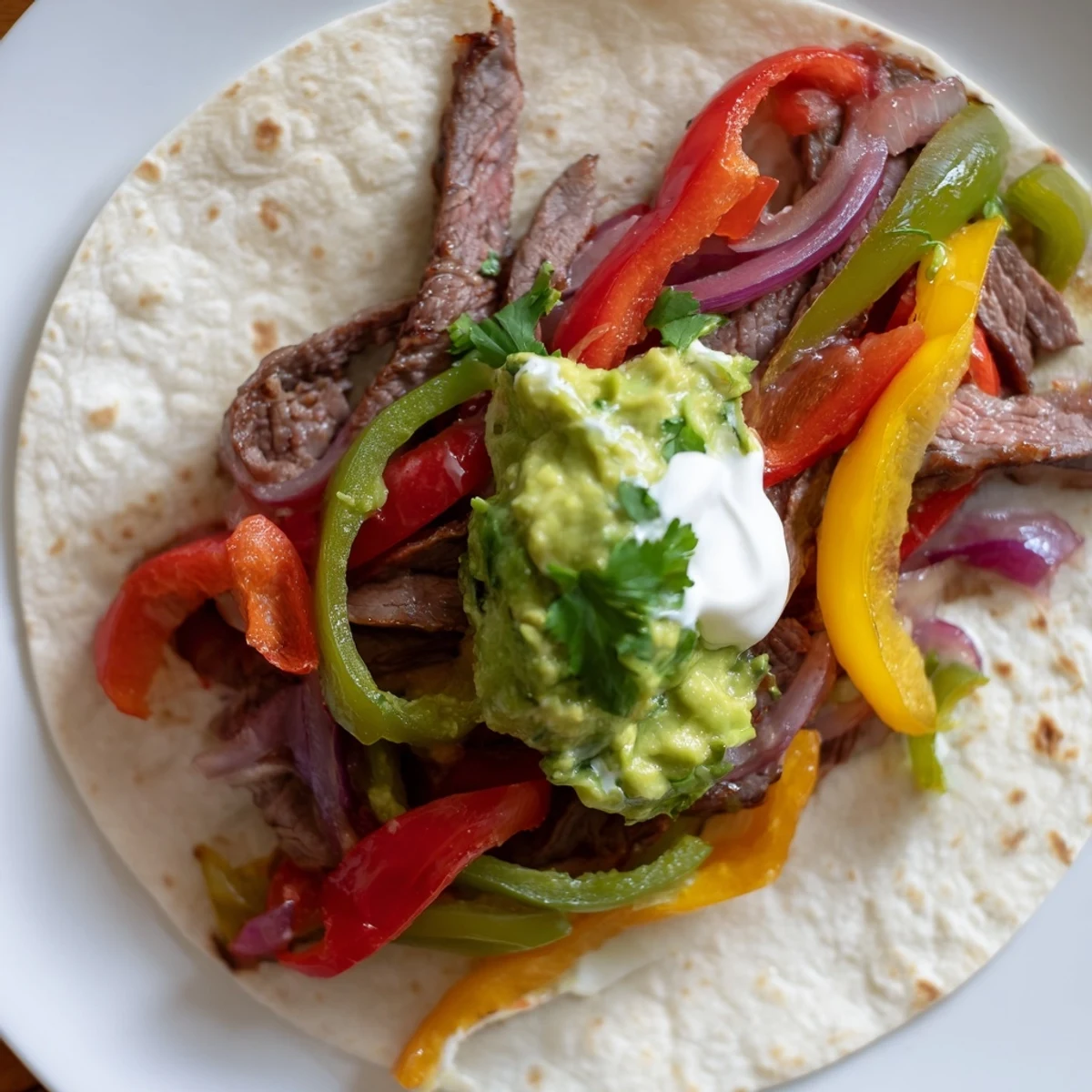
 Marinate thinly sliced flank steak in lime and spices, then quickly sear it with vibrant bell peppers and onions. Serve this sizzling filling in warm flour tortillas alongside a fresh, chunky guacamole and cool sour cream for an authentic Tex-Mex experience perfect for sharing.
I learned to make beef fajitas on a weeknight when my neighbor showed up at my door with a bag of fresh peppers from the farmers market and a challenge: dinner for six in 45 minutes. I'd never seared beef strips before, but that sizzle in the hot pan—the way the meat curled up golden at the edges while garlic perfumed the kitchen—made me feel like I'd discovered something magical. By the time I was sliding warm tortillas into a stack and setting out the guacamole, I realized this wasn't a complicated dish at all; it just needed confidence and good heat.
A few years later, I made these for my daughter's study group, and three of those kids came back asking for the recipe because apparently I'd ruined them for the mediocre cafeteria versions. That moment—when someone asks you to teach them how to make something—that's when you know a recipe is worth keeping.
Ingredients
- Flank steak or sirloin, thinly sliced: The thinner you slice it, the faster it cooks and the more tender it becomes; I always partially freeze the meat for 30 minutes first so the knife glides through cleanly.
- Red, yellow, and green bell peppers: Using all three colors isn't just pretty—each one has a slightly different sweetness and cooks at its own pace, creating interesting texture.
- Large onion, sliced: The white and pale yellow layers caramelize faster than you'd expect in that hot pan, turning sweet and a bit charred at the edges.
- Olive oil: Don't skip on quality here; it carries the flavor of the garlic and spices right into the beef.
- Garlic, lime juice, cumin, smoked paprika, chili powder, oregano: Together these create a warm, earthy marinade that tastes like it took hours to develop but actually comes together in moments.
- Ripe avocados for guacamole: They should give slightly when you press them—not hard, not mushy—and if you add a squeeze of lime juice right away, the flesh won't turn brown.
- Fresh cilantro and tomato for guacamole: The tomato adds brightness; the cilantro makes it smell alive, like summer even in winter.
- Sour cream: A dollop of cold sour cream on a warm fajita creates this perfect contrast of temperature and tangy richness.
- Flour tortillas: Warming them in a dry skillet for just 20 seconds on each side makes them pliable and slightly toasted; don't skip this step.
Instructions
- Marinate the beef:
- Combine your sliced beef with olive oil, lime juice, minced garlic, cumin, paprika, chili powder, oregano, salt, and pepper in a large bowl and toss until every piece is coated. Let it sit for at least 15 minutes—this is when the flavors start to wake up and sink into the meat—or up to 2 hours in the refrigerator if you want something deeper.
- Sear the beef:
- Get your skillet smoking hot over medium-high heat, then add the beef in a single layer and don't touch it for the first 2–3 minutes; you're building a golden crust that locks in the juice. Flip, cook for another 2–3 minutes until just cooked through, then pull it onto a clean plate.
- Cook the peppers and onions:
- Add a touch more oil to the same pan (you want those caramelized bits from the beef), then add your peppers and onion slices and let them soften for 4–5 minutes, stirring occasionally so they get tender but don't lose their color and bite. Return the beef to the pan, toss everything together for one final minute, and taste—this is where you might need a pinch more salt.
- Make the guacamole:
- Cut your avocados in half, scoop the flesh into a bowl, and mash it with a fork until it's mostly smooth with some small chunks still visible—this texture is key. Fold in diced tomato, finely chopped red onion, fresh cilantro, lime juice, salt, and pepper and taste as you go; you're balancing creaminess with brightness.
- Warm the tortillas:
- Place each flour tortilla in a dry skillet for about 20 seconds per side, just until it's pliable and slightly toasted, then stack them on a plate and wrap in a clean kitchen towel to keep warm.
- Assemble and serve:
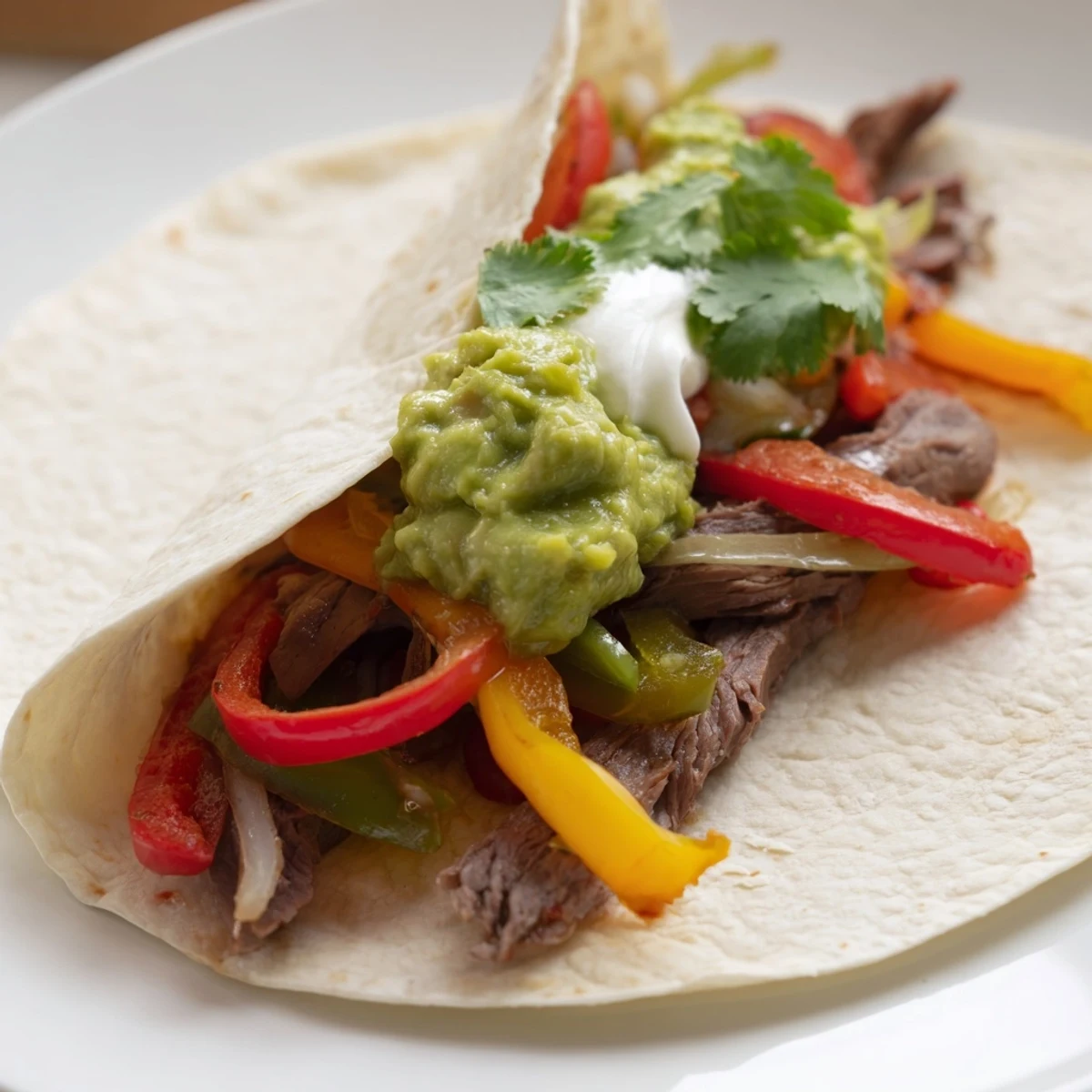
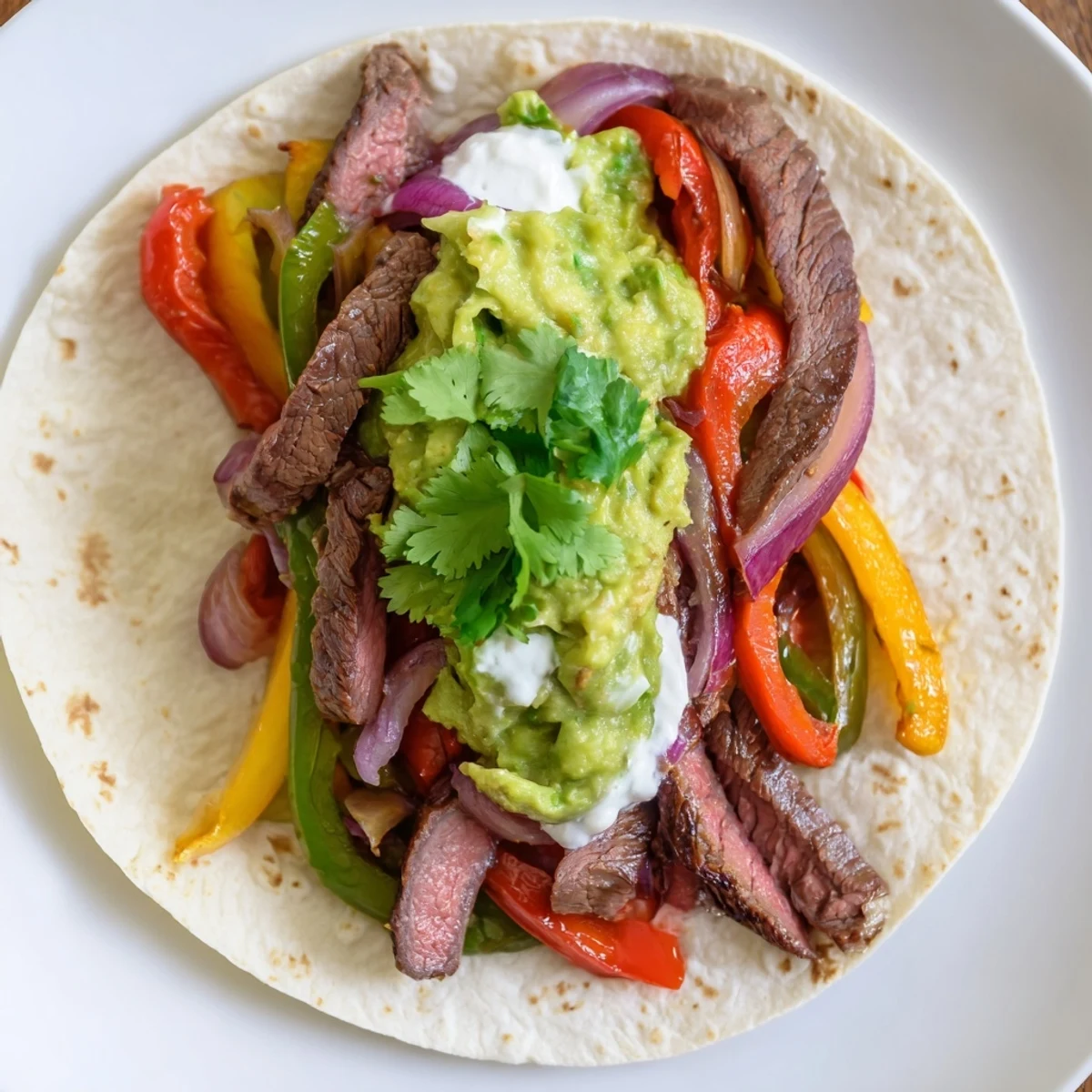
- Let everyone build their own: a spoon of beef and peppers, a generous dollop of guacamole, a small spoonful of sour cream, maybe a sprinkle of fresh cilantro and a squeeze of lime, all nestled into a warm tortilla.
 Pin It
 What gets me about this dish is how it turned into a family ritual—how something I threw together on a weeknight became a reason for my kids to gather in the kitchen and choose their own adventure. That's the quiet magic of a good meal.
Building Flavor Through Marinade
The real secret to tender, flavorful fajitas lives in those first 15 minutes when the beef soaks in lime juice and spices. The acid in the lime doesn't just add brightness; it actually begins to break down the muscle fibers, making even a tougher cut of beef surprisingly tender. I learned this the hard way—I used to skip marinating altogether and wondered why my fajitas felt chewy. Now I treat the marinade like an investment in what comes next, and the difference is unmistakable.
The Sear Is Everything
Getting that skillet truly hot before the beef hits the pan changed everything for me. A medium-high heat that makes you take a step back when you open the oven door—that's what you want. When the beef hits that surface, it should sound angry, almost threatening, and the smell should fill your whole kitchen. That's the Maillard reaction happening, where the proteins and sugars bond to create thousands of new flavors that just don't exist if you cook it gently.
Timing and Temperature
The best fajitas I've made came when I stopped overthinking doneness and started trusting my instincts about texture. Beef cooked too long becomes stringy; cooked too short and it's a bit too tender, almost mushy. The sweet spot is that moment when the meat is still slightly springy when you press it, and the color is a deep golden-brown on the outside while still a whisper of pink remains inside.
- If you like your beef more cooked through, add 1–2 minutes to the total cooking time.
- Always slice your beef against the grain so each bite is tender instead of tough.
- Keep everything warm by covering the skillet with a lid or foil once you've finished cooking.
 Pin It
 Beef fajitas taught me that restaurant-quality food isn't about complicated techniques or fancy equipment—it's about understanding a few simple things deeply and executing them with care. Make this tonight and see what happens.
Recipe FAQs
- → What cut of beef works best?
-
Flank steak or sirloin is ideal because they are flavorful and become tender when sliced thinly against the grain.
- → How long should the beef marinate?
-
For best results, marinate the beef for at least 15 minutes, though letting it sit in the refrigerator for up to two hours deepens the flavor.
- → Can I make this dish spicier?
-
Absolutely, add sliced jalapeños to the skillet or include a pinch of cayenne pepper in the marinade to increase the heat level.
- → Is the guacamole easy to make?
-
Yes, simply mash ripe avocados and mix them with diced tomato, onion, cilantro, and lime juice for a fresh topping.
- → What are good side dishes?
-
This pairs well with Mexican rice, refried beans, or a crisp salad to complete the Tex-Mex dining experience.